
PXG Driver Weights and Shaft Flex: How They Affect Driver Feel and Launch

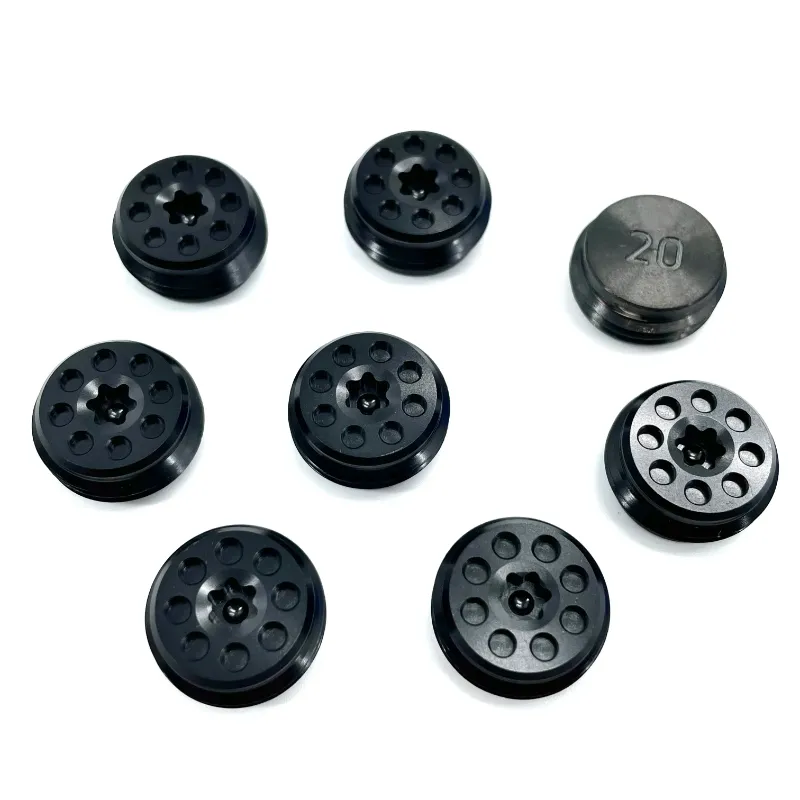
A golf driver shaft flex chart helps PXG driver owners choose a shaft flex that matches swing speed, tempo, launch needs, and the way adjustable head weights change feel. If you are comparing premium golf shafts such as an AutoFlex setup, the goal is not to chase the stiffest label, but to find a driver build that loads smoothly and returns the face consistently.
PXG drivers give fitters useful head-weight options, while shaft choices like an autoflex driver shaft can feel very different from a traditional stiff or 5.5 shaft flex profile. Here is how we think about the pairing before ordering, testing, or using a code to check the latest price.
Golf Driver Shaft Flex Chart Basics for PXG Drivers
A chart is a starting point, not a final fitting. Most charts connect driver swing speed to general flex categories, then a fitter fine-tunes based on ball flight, strike pattern, transition, and the golfer’s preference for head feel.
| Swing trait | Common flex direction | What to watch in a PXG driver |
|---|---|---|
| Smooth tempo | Softer or more active profile may work | Can help launch, but may feel loose with heavier head settings |
| Aggressive transition | Firmer profile often feels safer | Can tighten face control, but may lower launch too much |
| Late release | Tip stability matters | Helps keep spin and face delivery predictable |
| Early release | Load feel matters | May benefit from a shaft that kicks without feeling harsh |
The confusing part is that golf shaft flex numbers are not universal. One brand’s 5.5 shaft flex can feel different from another brand’s regular-plus or firm profile. That is why we like using a shaft flex chart alongside real launch monitor feedback, not as a replacement for it.
For a broader background on flex categories, TGW’s guide on How To Choose The Correct Golf Shaft Flex is a useful primer.
How PXG Driver Weights Change Shaft Feel
PXG adjustable driver weights can change swing weight, head awareness, launch tendency, and how much the shaft appears to load during the swing. Even when the shaft itself has not changed, adding more head weight can make the build feel softer or more active. Reducing head weight can make the same shaft feel firmer, lighter, and sometimes easier to square.
That matters because many players choose flex based only on speed. In practice, the head and shaft work as a system.
- More head weight can increase the sensation of shaft load.
- Less head weight can make the club feel quicker and sometimes less stable.
- Heel or toe weight changes can influence face closure and strike pattern.
- Back weight can affect launch feel and forgiveness perception.
- Small weight changes can matter more to sensitive players with fast tempo.
If a PXG driver feels great on center strikes but starts left under pressure, the answer may not be a completely different shaft. It could be a weight adjustment, a different shaft profile, or both. Before buying, it is worth saving the store page and using the current AutoFlex offer when you are ready to grab the code.
Matching Swing Speed, Tempo, and Launch
A swing speed shaft flex chart usually groups golfers by driver speed, but speed alone can be misleading. Two players can swing at the same speed and need different golf driver shafts because one transitions gradually while the other yanks from the top.
Use this practical order when narrowing choices:
- Start with speed range from a golf club shaft flex chart.
- Adjust firmer if your transition is quick or your miss is a high spin block or hook.
- Adjust softer or more active if launch is too low and contact is centered.
- Check strike location before blaming the shaft.
- Test PXG weight settings after choosing a likely shaft profile.
This is where a golf shaft flex calculator can help organize your starting point. It cannot see your transition, but it can prevent wild guesses. If you are moving from irons to driver fitting, do not rely only on 7 iron swing speed shaft flex logic. Driver length, tee height, attack angle, and head weight all change the equation.
For another perspective, MyGolfSpy’s Golf Driver Shaft Flex Chart: Find The Right Flex For Your ... explains why speed-based charts are helpful but incomplete.
AutoFlex, Autopower, and Premium Golf Shafts: What Feels Different
AutoFlex-style shafts are popular because they can feel easier to load while still aiming for speed and stability. That does not mean every golfer should automatically choose a softer-feeling profile. It means the shaft’s bend profile, weight, torque feel, and balance can create a different sensation than a conventional stiff flex build.
When comparing an autoflex shaft, autoflex golf shaft, autopower autoflex golf shaft, and other premium golf shafts, pay attention to the result rather than the label.
| Option type | Typical buyer goal | Best test question |
|---|---|---|
| Traditional stiff profile | Control and predictable face delivery | Does it launch high enough without forcing it? |
| Active premium profile | Easier load and speed feel | Does it stay stable on aggressive swings? |
| Lighter driver shaft | More speed potential | Does strike quality stay centered? |
| Heavier build | More head control | Does it reduce speed or launch too much? |
We especially like testing an autoflex shaft in a PXG head with more than one weight setup. If it only works in a single configuration, the build may be too narrow for real-course conditions. If it performs across several weight settings, that is a stronger sign the flex and profile fit the player.
What 5.5 Shaft Flex and Stiff Flex Orginal Irons Can Tell You
Golfers often ask whether their iron shaft flex should dictate their driver shaft. It can give clues, but it should not make the decision. A player using stiff flex orginal irons may still fit into a more active driver shaft if the driver launch is too low or the transition is smoother with longer clubs.
The phrase golf shaft flex 6.0 meaning usually points to numbered shaft systems, where higher numbers often suggest firmer profiles within that brand family. But those numbers are not a universal standard across all premium golf shafts. A 5.5 shaft flex in one model does not automatically equal another brand’s firm, regular-plus, or stiff.
Use your irons as context:
- If your irons feel too soft, avoid assuming a soft driver profile will fix dispersion.
- If your irons feel boardy, a smoother driver profile may improve timing.
- If your 7 iron speed is strong but your driver tempo is smooth, test more than one driver flex.
- If your driver miss changes when PXG head weight changes, fit the whole club, not just the shaft.
How to Test PXG Weights With the Right Shaft Flex
The best test is simple and repeatable. Start with the shaft flex your chart or fitter suggests, then adjust PXG weights one variable at a time. Do not change loft sleeve, shaft, tee height, and weight all in the same session or you will not know what caused the result.
Our preferred testing sequence:
- Warm up with your current driver and note normal strike pattern.
- Hit the candidate shaft in a neutral PXG weight setup.
- Change only the head weight setting and hit another controlled set.
- Compare launch, spin window, curve, strike location, and comfort.
- Retest the best two setups on another day if possible.
The best build should not require a perfect swing to work. It should give you a predictable window, acceptable misses, and a feel you can trust when you need to hit a fairway.
Who Should Use a Chart Before Buying
A chart is most useful if you are ordering online, switching from a stock shaft, or deciding whether an AutoFlex-style profile belongs in your PXG driver. It is also helpful if you are comparing multiple golf driver shafts and need a sensible shortlist before spending time and money on testing.
Use the golf driver shaft flex chart as your filter, then let PXG weights and ball flight confirm the choice. If you already know the product you want, use the AutoFlex store page to check the current code before checkout, since the available offer can change.
A good fit usually feels boring in the best way: the club loads without effort, the head is easy to sense, and your misses stay playable. That is the real reason shaft flex and PXG driver weights should be fitted together, not treated as separate decisions.
Frequently asked questions
How does a golf driver shaft flex chart help with a PXG driver?
It gives you a starting flex based on speed and swing traits, then PXG weight settings help fine-tune feel, launch, and face control. Use it as a shortlist tool, not a final fitting verdict.
Can PXG driver weights make my shaft feel softer or stiffer?
Yes. More head weight can make a shaft feel more active, while less head weight can make the same shaft feel firmer or quicker through the swing.
Is an AutoFlex driver shaft only for slow swing speeds?
No. AutoFlex-style profiles are about load, timing, and delivery, not just speed. Tempo, transition, strike quality, and head setup all matter.
What does 5.5 shaft flex mean for a driver fitting?
It usually suggests a flex between common regular and stiff labels within certain shaft systems, but flex numbers are not universal. Always compare the actual shaft model and ball flight.
Should my iron shaft flex match my driver shaft flex?
Not necessarily. Iron length, head weight, and swing delivery differ from driver, so stiff irons can still pair well with a different driver flex profile.