
Regular Flex Driver Shaft vs 5.5 Shaft Flex: How to Choose for Your Swing Speed

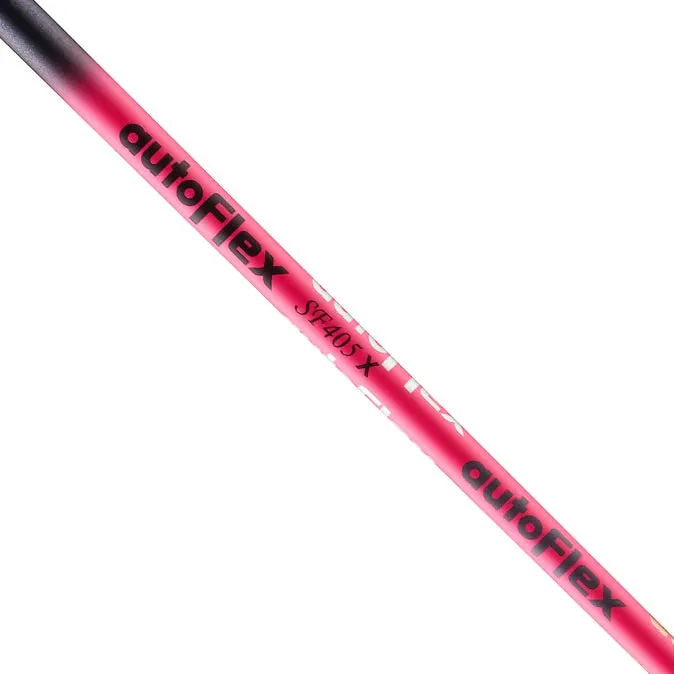
A regular flex driver shaft is usually the better starting point if your driver swing is smooth, moderate in speed, or inconsistent with stiff shafts, while 5.5 shaft flex sits in the middle zone between regular and stiff. For AutoFlex shoppers, that decision matters because products like the autoflex driver shaft, autoflex shaft, and broader golf driver shafts can feel very different depending on tempo, release, and launch needs. Use flex as a fitting clue, not a final answer, then confirm with ball flight and strike quality.
Regular Flex Driver Shaft vs 5.5 Shaft Flex: The Practical Difference
Traditional golf shaft flex labels are not perfectly standardized across brands. One company’s regular can feel close to another company’s firm regular, and a 5.5 shaft flex is often treated as a softer stiff or firm regular depending on the model.
In plain terms:
| Flex choice | Best fit clue | What to watch |
|---|---|---|
| Regular | Smooth tempo, moderate speed, needs launch help | Can feel loose if you load the shaft hard |
| 5.5 | In-between player, steady speed, medium tempo | Can feel too firm if you need help squaring the face |
| Stiff | Faster speed, aggressive transition, lower launch/spin preference | Can cost carry if you cannot load it |
The key is not ego or handicap. It is whether the shaft helps you return the clubface consistently while producing usable launch, spin, and dispersion. If you are comparing a regular option to 5.5 shaft flex, pay close attention to center contact and start direction before chasing raw distance.
How Swing Speed and Tempo Change the Fit
Swing speed gets most of the attention, but tempo is often the deciding factor. Two golfers can have similar driver speed and need different golf shaft flex choices because one loads the shaft gradually and the other changes direction sharply from the top.
A practical fitting checklist:
- If your transition is smooth and you rarely feel the shaft kick, regular may help you launch the ball.
- If your transition is quick but your speed is not clearly stiff territory, 5.5 can be a useful middle ground.
- If you fight blocks or low-right misses with stiff, test softer before changing your swing.
- If you hook a regular shaft hard even with centered contact, test firmer.
- If distance is inconsistent more than direction, check strike location before blaming flex.
A golf shaft flex calculator can help you narrow the range, especially if you know your driver speed, tempo, and carry pattern. Still, calculators cannot see face angle, attack angle, or how you actually load the club, so treat them as a starting point.
For more background on why flex affects timing and ball flight, Skillest has a useful overview of the role of shaft flex in golf driver performance.
When to Switch From Stiff to Regular Shaft
Many golfers stay in stiff flex too long because it sounds more advanced. The better question is whether the shaft is helping you create playable speed and repeatable face control.
Consider moving softer if:
- Your stiff flex driver shaft feels heavy, boardy, or hard to load.
- Your launch is consistently too low, even with enough loft.
- Your best strikes carry well, but average strikes fall short.
- You lose shots right because the face arrives open.
- You swing harder just to feel the shaft respond.
This is where AutoFlex products can be interesting. The autoflex golf shaft category is built around a different feel profile than many conventional premium golf shafts, so the label alone may not predict the result. If you are shopping current availability or looking for the store offer, grab the code before you order.
Stiff vs Regular Flex for Beginners
For beginners, the best regular flex driver shaft is not simply the softest shaft on the rack. It is the shaft that makes the driver easier to square without making the head feel out of control.
Beginners often benefit from regular when they:
- Have a smooth or developing swing.
- Need more launch and carry.
- Tend to slice with a stiff driver.
- Are still learning consistent center contact.
A firmer option can make sense for a beginner who is athletic, fast, and aggressive from the top. That said, stiff vs regular flex for beginners should be decided by ball flight, not by age, strength, or what a friend plays.
Also compare a flex shaft vs regular if your speed is lower or your driver feels difficult to launch. A softer A flex can help some players, but others will lose control if the shaft over-releases. Testing matters.
Using a Shaft Flex Chart Without Overtrusting It
A shaft flex chart or golf driver shaft flex chart is useful because it gives you a sensible test range. The mistake is treating it like a rulebook.
Use a chart this way:
- Start with your measured driver speed or reliable carry distance.
- Note your tempo: smooth, medium, or aggressive.
- Compare your common miss pattern.
- Test the recommended flex and one flex on either side.
- Choose the shaft that gives the tightest playable dispersion, not just the longest single shot.
Here is a simple buying interpretation:
| What you see | Likely test direction | Why it matters |
|---|---|---|
| Low launch, weak fade | Try softer | You may not be loading the shaft |
| High left miss | Try firmer | The shaft may be releasing too much |
| Good launch, wide spread | Test weight and profile | Flex may not be the only issue |
| Fast swing, smooth tempo | Test 5.5 and stiff | Tempo can soften the fit |
GolfWRX also has real player discussion around a driver shaft between regular and stiff, which is exactly where many 5.5 shoppers land.
AutoFlex, AutoPower, and Premium Golf Shafts
AutoFlex.us shoppers are often comparing conventional premium golf shafts with lighter, more responsive-feeling AutoFlex options. That does not mean every golfer should automatically choose softer. It means you should fit the whole profile: flex, weight, torque feel, length, head weight, and your release pattern.
The autopower autoflex golf shaft and AutoFlex driver options can appeal to golfers who want speed without a harsh feel. If you are comparing them with standard golf driver shafts, focus on these questions:
- Does the shaft help you swing freely without losing the face?
- Do your good strikes stay in the same window?
- Is your miss playable on the course, not just acceptable on a launch monitor?
- Does the setup still feel stable when you are tired or under pressure?
If you are checking a regular flex driver shaft for sale, do not rely only on the flex label. Compare the actual product family, intended use, and return or fitting options where available. For the current AutoFlex offer and pricing, check the latest price rather than relying on old screenshots or third-party claims.
Driver Shafts vs Iron Shafts
Driver and iron shaft fitting overlap, but they are not identical. A player may fit 5.5 in irons and prefer a softer or different-profile driver shaft because the driver is longer, lighter, and swung with a different intent.
That is why a product term like stiff flex orginal irons should not automatically dictate your driver choice. Iron shafts are usually judged heavily on trajectory control, distance gaps, and turf interaction. Driver shafts are judged more on launch window, face delivery, strike location, and dispersion.
A practical rule:
- Fit your driver for launch, carry, and playable dispersion.
- Fit irons for distance control and consistent windows.
- Do not force one flex label across the whole bag.
- Recheck driver fit after major swing changes or equipment changes.
How We Would Choose
Start with your current miss, not the flex printed on the shaft. If stiff feels hard to load or your best drives require extra effort, test regular and 5.5 side by side. If regular launches well but starts left too often, 5.5 may give you the extra control you need.
Our short version:
- Choose regular if you want easier launch, smoother feel, and help squaring the face.
- Choose 5.5 if regular feels active but stiff feels too demanding.
- Choose stiff only if your speed, transition, and ball flight clearly support it.
- Use charts and calculators to shortlist, then trust consistent ball flight.
For AutoFlex buyers, the best next step is to compare the exact model you want, then use the store page for current pricing and the available discount. You can use our AutoFlex code page when you are ready to buy.
Frequently asked questions
Is a regular flex driver shaft softer than 5.5 shaft flex?
A regular flex driver shaft usually fits smoother, moderate-speed swings, while 5.5 shaft flex often fits players between regular and stiff. The better choice depends on tempo, strike pattern, launch, and dispersion, not just swing speed.
When should I switch from stiff to regular shaft?
Consider switching if your stiff shaft feels hard to load, launches too low, or leaves the face open through impact. Test regular and 5.5 options before buying because the right answer can change by shaft model.
Is regular flex better than stiff for beginners?
Yes, many beginners fit regular flex because it can make launch and face control easier. Faster beginners with aggressive transitions may still need 5.5 or stiff, so ball flight should decide.
Can a golf shaft flex calculator choose my driver shaft?
A golf shaft flex calculator can narrow your starting range, especially when you know your driver speed and tempo. It cannot replace testing because it does not measure strike quality, release, or face delivery.
How does an AutoFlex driver shaft compare with standard flex labels?
AutoFlex shafts can feel different from many conventional premium golf shafts, so the printed flex label may not tell the whole story. Compare the specific AutoFlex model by launch, dispersion, and feel before deciding.