
Golf Driver Shaft Flex Chart: How to Match Driver Shafts to Tempo and Ball Flight

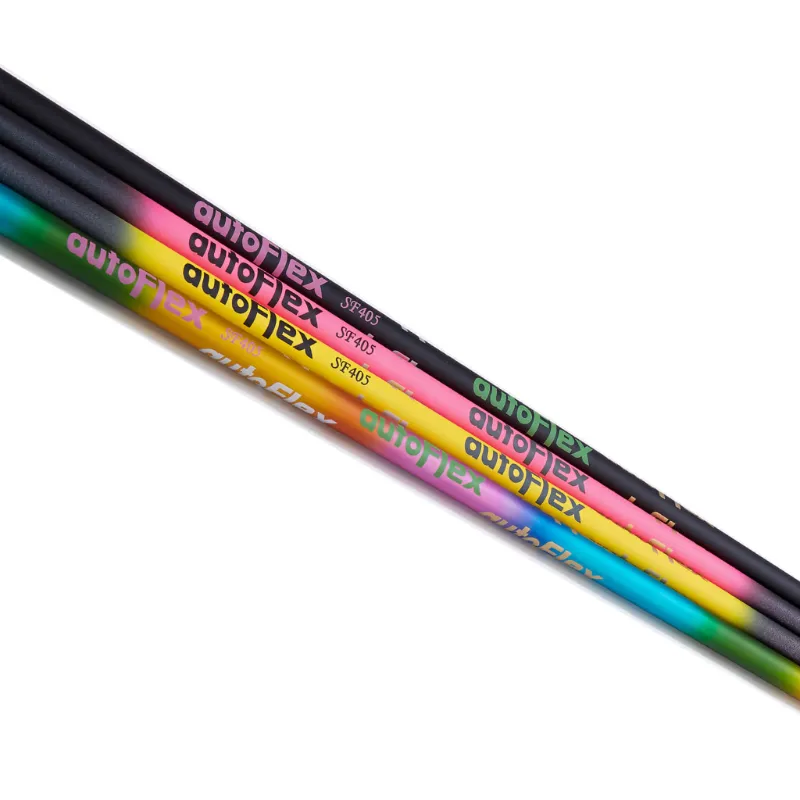
A golf driver shaft flex chart helps you narrow driver shaft choices by matching swing speed, tempo, release, and ball flight instead of guessing from labels alone. For AutoFlex.us shoppers, that means using the shaft flex chart as a starting point, then checking how an AutoFlex shaft or other driver option supports your launch, dispersion, and feel. We still recommend a real fitting when possible, but a clear chart can keep you from buying a shaft that fights your swing.
How a Golf Driver Shaft Flex Chart Actually Works
A chart is not a promise that one flex will fit every golfer at a certain speed. It is a screening tool. Most charts group players by driver swing speed, then point toward common flex categories such as regular, stiff, extra stiff, or flex-number systems used by certain brands.
The catch is that two players with the same speed can need different golf shaft flex profiles because they load the club differently. A smooth transition usually stresses the shaft less than a fast, aggressive transition. A late release can make the shaft feel softer through impact, while an early release may make the same shaft feel more stable.
Use a chart to answer four questions:
- Is my current shaft likely too soft, too firm, or roughly in range?
- Do I need a driver shaft that helps launch, lowers spin, or tightens dispersion?
- Does my tempo suggest I should move softer or firmer than speed alone says?
- Am I choosing by real ball flight, or by the flex label printed on the shaft?
For background on how conventional flex categories are usually matched to swing speed, TGW's guide on how to choose the correct golf shaft flex is a useful neutral reference.
Matching AutoFlex Driver Shafts to Tempo
AutoFlex is popular because it challenges the old idea that faster players always need the stiffest possible driver shaft. The autoflex driver shaft is designed around a different feel profile than many traditional low-launch, boardy shafts, so tempo matters as much as raw speed.
Think about your transition first:
- Smooth tempo: You may benefit from a shaft that loads easily and helps you maintain rhythm through the ball.
- Medium tempo: You can often test a wider range because you are not overloading the handle as violently.
- Quick tempo: You need to watch timing and face control carefully, even if a softer-feeling profile produces more speed.
- Late release: Pay attention to whether the head returns square or starts leaking right for a right-handed player.
- Early release: Look for stable contact and consistent launch instead of chasing the softest feel.
This is where an AutoFlex shaft fitting should be treated as performance testing, not just category shopping. If the ball speed improves but the strike pattern spreads across the face, the shaft may not be helping you score. If the launch window improves and misses get smaller, the feel is probably working with your swing.
Swing Speed, Flex Numbers, and Ball Flight
A swing speed shaft flex chart can get you into the right neighborhood, but it should be checked against ball flight. Your shot pattern is often more honest than the label.
| What You See | Possible Shaft Issue | What to Check Next |
|---|---|---|
| High weak fade or slice | Shaft may feel too soft or mistimed | Face angle, strike location, tempo |
| Low pull or hook | Shaft may be closing too quickly for your release | Grip, path, flex profile |
| Ballooning flight | Launch or spin may be too high | Loft, shaft profile, strike height |
| Flat flight with low carry | Shaft or loft may be too demanding | Launch angle and carry distance |
Golf shaft flex numbers can also confuse buyers. A 5.5 shaft flex is commonly understood as a firm regular or softer stiff range in some systems, while golf shaft flex 6.0 meaning is often closer to stiff in those same systems. But those numbers are not universal specs across every brand, model, and material layup.
If you are comparing a 5.5 shaft flex option with AutoFlex or other premium golf shafts, focus on measured results: strike quality, launch, spin tendency, curvature, and confidence at address. The printed number is only one part of the fitting story.
When to Use a Golf Shaft Flex Calculator
A golf shaft flex calculator can be helpful if you have a few real inputs: driver swing speed, carry distance, typical miss, transition speed, and current shaft model. It is less useful if you only enter a handicap or guess your speed from how far one perfect drive went.
Use a calculator when:
- You do not have easy access to a launch monitor.
- You are comparing several golf driver shafts before ordering.
- You want a second opinion after reading a golf club shaft flex chart.
- You are moving from irons to driver fitting and need a broader reference.
Be careful with 7 iron swing speed shaft flex comparisons. Iron speed can give a clue about overall athletic profile, but a driver is longer, lighter in many builds, and swung differently. A player can load an iron shaft well and still struggle with a driver shaft that is too long, too light, or too soft in the wrong section.
If you want a quick buying path, use the golf shaft flex calculator, then compare the result with the store's chart and the latest AutoFlex availability. For current pricing or a live discount, check the latest price before you order.
AutoFlex Shaft vs Traditional Premium Golf Shafts
The main difference is not that one type is automatically better. It is how each shaft tries to deliver speed, stability, and timing. Traditional premium golf shafts often use familiar flex labels and bend profiles that fit within standard fitting language. AutoFlex models are usually discussed more around feel, load, and speed potential.
| Shaft Type | Best Fit Signal | Watch-Out |
|---|---|---|
| Traditional stiff profile | Strong player wants firm feel and lower movement | Can feel harsh or reduce launch if overfit |
| Mid-flex premium shaft | Balanced tempo and predictable strike | May not solve a specific miss |
| AutoFlex profile | Player wants easier load and speed potential | Needs testing for timing and dispersion |
| Iron-focused shaft | Matching set feel in irons | Driver results may not translate directly |
The autoflex golf shaft can be a smart test for players who feel trapped between regular and stiff, or who swing fast enough for stiff but lose rhythm with overly rigid profiles. Still, we would not buy any shaft by reputation alone. The right shaft is the one that makes your normal swing more repeatable.
If you are also tuning irons, compare driver results separately from products like stiff flex orginal irons. Driver length, head weight, and tee height create a different loading pattern than an iron swing.
Buying Checklist Before You Order
Before buying from AutoFlex.us, write down your current driver setup and the ball flight you want to change. That prevents the common mistake of replacing a shaft without knowing what problem it should solve.
Check these items:
- Current driver loft, shaft model, shaft weight, and flex.
- Typical miss: left, right, high, low, heel, or toe.
- Tempo: smooth, medium, or quick.
- Desired change: more carry, tighter dispersion, higher launch, lower spin, or better feel.
- Whether you need the shaft only or help choosing a full driver build.
A golf driver shaft flex chart should lead to a short list, not a final answer by itself. Once you have that short list, compare the AutoFlex product pages, look at availability, and grab the code if the current store offer applies to your order.
Care, Setup, and Testing After Delivery
Once your shaft arrives, test it in a controlled way. Do not judge a new driver shaft from three rushed swings after work. Warm up, hit your current setup first, then test the new shaft with the same ball type if possible.
A good first-session test looks like this:
- Hit enough shots with your current driver to confirm your normal pattern.
- Switch to the new shaft and make normal swings, not max-effort swings.
- Track strike location, launch window, curve, and carry consistency.
- Ignore one perfect shot and one terrible shot.
- Re-test another day before making final adjustments.
Care is straightforward: keep the shaft clean, avoid leaving clubs in extreme heat, inspect the adapter and grip, and use a qualified builder for any trimming or adapter work. Shaft performance depends on build quality, so do not treat installation as an afterthought.
The right flex is the one that lets your swing show up more often. Start with the chart, confirm with tempo and ball flight, then use real results to decide whether AutoFlex or another premium option belongs in your driver.
Frequently asked questions
How accurate is a golf driver shaft flex chart for AutoFlex shafts?
Use it as a starting point, then adjust for tempo, release, and ball flight. If your swing speed points to one flex but your misses get worse, the chart result should be rechecked with real shots or a fitter.
Can a fast swinger use an autoflex shaft?
It depends on how you load the shaft. Some faster players prefer a softer-feeling AutoFlex profile, but you still need to confirm face control, launch, and dispersion before deciding.
What does 5.5 shaft flex mean?
In some shaft systems, 5.5 is often treated as a firm regular or softer stiff range, but flex numbers are not universal across all brands. Compare ball flight and feel instead of relying only on the printed number.
Can I use my 7 iron swing speed to choose a driver shaft?
Not exactly. A 7 iron swing speed shaft flex result can give context, but driver length, head weight, and tee height change how the shaft loads.
Where should I check the current AutoFlex price or code?
Use the store's chart or golf shaft flex calculator to narrow the range, then review AutoFlex product pages and current availability. For current pricing or discount code details, use the AutoFlex.us coupon page.