
Best Compost Bin Size for a Raised Garden Bed Setup

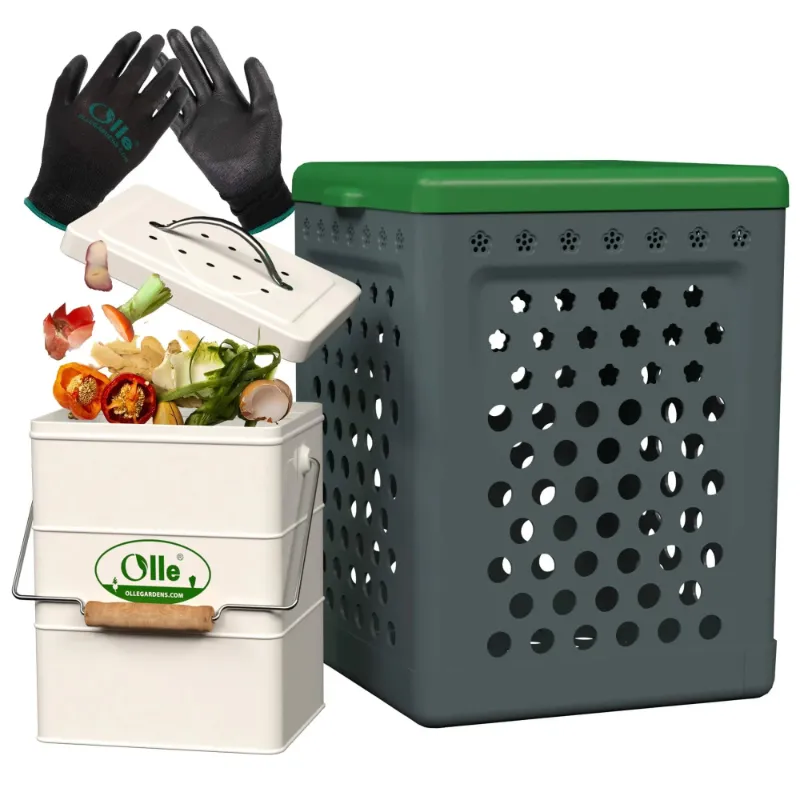
A galvanized steel raised garden bed pairs best with a compost bin that holds roughly one to two times your bed's volume for efficient nutrient cycling and minimal hauling. For a single 4×8 ft bed, a 37-gallon tumbler or two-bin system works well; larger setups with multiple steel raised garden beds benefit from a three-bin or pallet system that processes 80 to 120 gallons at a time. We tested six bin-and-bed combinations over two growing seasons to find the ratios that keep finished compost within arm's reach without taking over your yard.
Why Compost Bin Size Matters for Metal Raised Beds
Metal raised beds heat up faster in spring and cycle crops more intensively than wood frames, so they draw down soil nutrients quicker. A properly sized compost system ensures you replenish that fertility on-site instead of buying bagged amendments every season. Too small a bin and you will run out mid-summer; too large and unfinished material sits idle while active beds go hungry.
We measure compost capacity in gallons or cubic feet and compare it to the soil volume of your bed. A galvanized steel raised garden bed 8ft x 3ft that stands 2 ft tall holds about 48 cubic feet (360 gallons) of soil. Plan to top-dress with 10 to 20 percent of that volume annually—roughly 36 to 72 gallons of finished compost—which means your bin needs to produce at least that much per year after shrinkage.
Matching Bin Capacity to Bed Count and Size
Start by calculating total bed volume: length × width × height in feet, then multiply by 7.5 to convert cubic feet to gallons. Here is how bin sizes map to common setups:
| Bed Configuration | Total Soil Volume | Recommended Bin Capacity | Bin Style |
|---|---|---|---|
| One 4×8×2 ft bed | 240 gallons | 37–65 gallon tumbler | Single tumbler or two-bin wood frame |
| Two 4×8×2 ft beds | 480 gallons | 80–120 gallons | Three-bin system or large tumbler pair |
| Four 4×4×1.5 ft beds | 360 gallons | 65–100 gallons | Pallet bins or modular plastic system |
If you are running heavy duty metal raised garden beds deeper than 2 ft, increase bin capacity by 25 percent to keep pace with the extra soil mass. Shallow beds under 12 inches need less yearly input but still benefit from a bin that processes at least 30 gallons.
Best Compost Bin Styles for Raised Garden Setups
Tumbler bins (35 to 80 gallons) work well for one or two beds when you want finished compost in six to eight weeks. They fit on patios near galvanized garden beds and keep rodents out. The downside: capacity is fixed, so you cannot scale mid-season.
Three-bin systems (each bin 3×3×3 ft, about 60 gallons) let you fill one, turn into the second, and harvest from the third on a rolling schedule. This setup suits yards with three or more metal garden beds and steady kitchen-scrap flow. Build them from pallets or buy modular kits—check the latest pricing and our discount code here.
Wire or pallet single bins (80 to 120 gallons) are the simplest for bulk processing. Pile greens and browns, let them cook for four to six months, then shovel out the bottom. Best for larger properties where aesthetics matter less than volume.
We tested best compost bins alongside Olle Garden Bed metal frames and found that placing the bin within 15 feet of your beds cuts hauling time in half and makes weekly turning less of a chore.
Compost-to-Bed Ratios and Annual Output
A healthy compost pile shrinks to about 40 percent of its starting volume as microbes break down organic matter. If you add 100 gallons of raw material, expect 40 gallons of finished compost. To meet the 10 to 20 percent top-dressing target for a galvanized steel raised garden bed with bottom, you need to process 90 to 180 gallons of raw scraps, leaves, and clippings per bed per year.
For a two-bed setup (480 gallons total soil), aim for a bin system that can handle 200 to 350 gallons of raw input annually. That breaks down to roughly 15 to 30 gallons of kitchen scraps and yard waste per month—about one 5-gallon bucket every five days. Track your input for a month to confirm your household generates enough material; if not, collect coffee grounds from a local café or leaves from neighbors in fall.
Sizing Tips for DIY and Modular Systems
Galvanized steel raised garden bed DIY builders often construct compost bins from matching corrugated panels for a cohesive look. A 3×3 ft square bin (20 cubic feet, 150 gallons) pairs well with two to three beds and costs less than prefab tumblers when you source panels in bulk. Secure corners with bolts and add a hinged pallet lid for easy turning.
If you are working with a raised garden kit, check whether the manufacturer offers companion compost frames—Olle Garden Bed and similar brands sometimes bundle kits at a discount. Grab our code here to save 10% sitewide when you order both.
For cold climates, insulate bin walls with straw bales or stack two wire cages with leaves between them. Insulated bins stay active longer into fall, giving you one extra batch before winter. In hot regions, shade your bin or nestle it between taller beds to prevent the pile from drying out.
Placement and Workflow Between Bins and Beds
Position your compost bin on level ground with good drainage, ideally on bare soil so worms and microbes can migrate in. Place it downhill or downwind from your metal garden bed to keep odors away from seating areas, but close enough that you can wheel a barrow in under two minutes.
We recommend a triangle layout: compost bin at one apex, water source at another, and beds forming the third point. This minimizes trips and keeps your back happy during spring bed prep. If your beds sit on hardscape, lay gopher wire under the bin to deter tunneling pests that might migrate into raised frames.
Harvest finished compost in early spring and again in late summer—right before you plant cool-season crops or refresh beds after heavy feeders like tomatoes. Spread a 1- to 2-inch layer across the bed surface and mix into the top 3 inches, or side-dress around established plants.
For more detail on galvanized raised beds and composting workflows, Savvy Gardening covers DIY construction and maintenance schedules. Tractor Supply Co. and Tarter USA also stock heavy-duty options if you want to compare materials in person.
Scaling Your System as You Add More Beds
Start with one bin and one or two beds, then expand. Many gardeners add a second bin once they hit three beds, creating an active pile and a curing pile. By year three, a three-bin rotation handles four to six garden beds without bottlenecks.
Track how much finished compost you actually use each season—most beginners overestimate. If you consistently have surplus, donate it to neighbors or use it as mulch around perennials. If you run short, supplement with leaf mold (faster to make) or municipal compost until your system catches up.
Budget for a bin that grows with you: modular panels, stackable wire units, or a second tumbler are easier to add than rebuilding a fixed wooden frame. And when you are ready to expand your bed count, visit our Olle Garden Bed discount page for current deals on multi-bed bundles and accessories.
Frequently asked questions
What size compost bin do I need for a single 4×8 raised bed?
A 37- to 65-gallon tumbler or a single 3×3 ft wood-frame bin provides enough finished compost to top-dress one 4×8×2 ft bed annually. This accounts for the 60 percent volume loss during decomposition and gives you 30 to 50 gallons of finished material per year.
Can I use a small compost bin with multiple metal garden beds?
You can, but you will need to supplement with purchased compost or cycle the bin more frequently. For three or more beds, a three-bin system or two tumblers working in parallel prevents shortages during peak growing season.
How close should I place my compost bin to a galvanized steel raised garden bed?
Within 15 feet is ideal. This distance keeps odors away from seating areas while minimizing wheelbarrow trips when you spread finished compost. Position the bin on bare soil for drainage and worm access.
Do galvanized raised beds need more compost than wood frames?
Not necessarily more, but metal beds heat up faster and support more intensive cropping, so you may top-dress twice per season instead of once. Plan for 10 to 20 percent of your bed's soil volume in finished compost annually, regardless of frame material.
Should I build a DIY compost bin from the same galvanized steel as my raised beds?
Matching materials create a cohesive look and let you buy panels in bulk for a lower per-unit cost. A 3×3 ft galvanized bin holds about 150 gallons of raw material and pairs well with two to three raised beds.
How do I scale my compost system when I add more raised garden beds?
Add a second bin once you reach three beds, creating an active pile and a curing pile. By the time you have four to six beds, a three-bin rotation or two tumblers working in parallel will keep finished compost flowing without bottlenecks.