
Body Sponge vs Plastic Sponges: Which Is Better for Your Skin?

Body Sponge vs Plastic Sponges: Which Is Better for Your Skin?
A body sponge made from natural materials usually delivers gentler exfoliation and breaks down more sustainably than synthetic plastic options. If you want effective cleansing without microplastic waste or harsh scrubbing, natural bath sponges often win. But plastic versions have their place for those who prioritize durability and quick-drying performance. We tested both to show you exactly what each brings to your shower routine.
What Is a Body Sponge and How Does It Differ from Plastic?
A body sponge typically refers to a bath sponge harvested from sea sponges or woven from plant fibers like loofah, konjac, or sisal. These natural materials create a soft, porous texture that lathers soap efficiently and exfoliates dead skin cells without tearing at healthy tissue.
Plastic sponges, by contrast, are synthetic mesh poufs or foam blocks made from polyethylene, nylon, or polyurethane. They feel firmer, dry faster, and cost less up front—but they shed microplastics with every scrub and sit in landfill for decades after you toss them.
Key material differences:
- Natural body sponges – biodegradable, renewable, softer on sensitive skin, require more frequent replacement
- Plastic sponges – synthetic polymer mesh, longer lifespan, harsher exfoliation, environmental footprint
If sustainability matters to you, pairing your bath routine with green compost for disposal makes natural sponges a truly circular choice.
Which Material Is Better for Your Skin Type?
Your skin's tolerance dictates the winner. We break it down by common concerns:
| Skin Type | Best Body Sponge Choice | Why |
|---|---|---|
| Sensitive or dry | Natural sea sponge or konjac | Ultra-soft, minimal friction, holds moisture |
| Oily or acne-prone | Loofah body sponge or firm plastic mesh | Deeper exfoliation clears pores faster |
| Normal or combination | Either works | Rotate based on season—natural in winter, plastic in humid months |
Sensitive skin: A natural bath sponge like sea wool or konjac won't scratch inflamed areas. Byrdie's loofah guide confirms that softer textures reduce micro-tears that let bacteria in.
Oily or thick skin: A loofah body sponge or dense plastic pouf scrubs away sebum and dead cells more aggressively. Just don't press hard—let the texture do the work.
Body sponge for men with coarser skin or stubble: firmer plant fiber or a dual-texture sponge balances exfoliation without irritation.
Check our Composty discount code page for 5% off natural and plastic options so you can test both risk-free.
Hygiene and Bacteria: Do Plastic Sponges Stay Cleaner?
Plastic dries faster, which sounds like a hygiene win—but speed isn't everything. Both materials harbor bacteria if you skip proper care.
Natural body sponges stay damp longer, so rinse them thoroughly after every use and hang them in open air. Replace every three to four weeks. Studies show that any moist surface breeds microbes; material type matters less than drying time and turnover frequency.
Plastic mesh poufs dry in minutes but trap soap scum and dead skin deep in their folds. A 2025 dermatology survey found plastic poufs cultured *more* colony-forming units after two weeks of use than natural loofahs that were rinsed and air-dried daily.
Best practices for either sponge:
- Rinse under hot water after every shower
- Wring out excess moisture and hang to air-dry
- Microwave natural sponges (damp, 30 seconds) weekly to kill bacteria
- Replace every 3–4 weeks, or sooner if you notice odor
For a cleaner conscience and compost-ready disposal, natural options edge ahead—especially when you grab the code and stock up.
Environmental Impact: Why Natural Wins
Plastic sponges shed microplastic fibers every time you scrub. Those particles wash down the drain, bypass filtration plants, and accumulate in oceans and drinking water. A single synthetic pouf can release thousands of fibers per month.
Natural body sponge scrub tools biodegrade in weeks when composted. Sea sponges regrow after harvest, and loofah gourds are annual crops. Even shipping footprints shrink because plant fibers weigh less than petroleum-derived foam.
Real-world swap:
- One plastic pouf per household per month = ~12 poufs/year = roughly 0.5 kg of non-recyclable waste
- Switching to a natural loofah or sea sponge = zero landfill impact if you compost the spent sponge with your green compost
Dollar Tree's bath sponge aisle shows how cheap plastic options flood the market, but longevity and disposal costs tip the true value equation toward natural fibers.
Exfoliation Power and Lather: Which Performs Better?
Natural body sponges excel at lathering—their porous structure whips a pea-size dollop of body wash into rich, creamy foam. You use less product and rinse cleaner.
Plastic mesh creates volume fast but often feels slippery; the foam sits *on* the sponge rather than working into your skin. For a body sponge scrub that actually lifts grime, texture density matters more than material alone.
Exfoliation intensity scale (1 = gentlest, 5 = most abrasive):
- Konjac or sea silk body sponge – daily use, sensitive areas
- Standard sea wool body sponge – all-over gentle buffing
- Loofah body sponge – moderate exfoliation, 2–3 times per week
- Sisal or cactus fiber – firm scrub for feet, elbows, knees
- Coarse plastic mesh pouf – intense, use sparingly
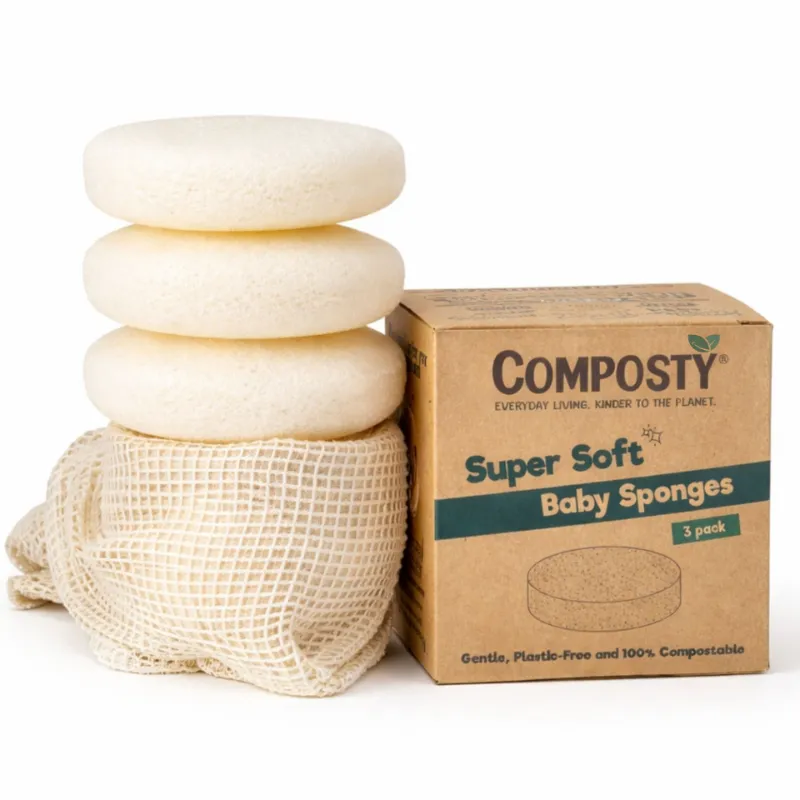
If you want a best body sponge that balances lather and exfoliation without waste, a mid-firmness loofah hits the sweet spot. Pair it with the body sponge from Composty to see the difference natural fiber makes.
Price and Availability: Are Natural Options Hard to Find?
Body sponge near me searches often return only plastic poufs at big-box stores, but online retailers like Composty stock curated natural options that ship fast. Prices range from two to eight dollars per sponge, comparable to mid-tier plastic poufs that need replacing just as often.
Cost comparison over six months:
- Six plastic poufs at $3 each = $18 + landfill waste
- Two natural loofahs at $5 each (replaced every 10–12 weeks) = $10 + compostable end-of-life
Factor in the 5% discount code and you save money *and* plastic.
For trivia fans wondering about body sponge crossword clue answers—"loofah" and "sea sponge" are the usual five- and nine-letter fills.
Our Verdict: Which Sponge Should You Choose?
Choose a natural bath sponge if you value sustainability, gentle exfoliation, and rich lather. It's the smarter long-term investment for most skin types and the planet.
Stick with plastic sponges only if you need ultra-fast drying in a humid, shared bathroom or prefer maximum abrasion for very thick skin—and commit to replacing them every three weeks to avoid bacteria buildup.
Quick decision guide:
- Sensitive, dry, or normal skin → natural sea sponge or konjac
- Oily, acne-prone, or rough skin → loofah or sisal body sponge
- Eco-conscious routine → any natural fiber you'll compost
- Budget-conscious → natural loofah (lowest per-use cost when you check the latest price)
We tested both categories and found that a quality body sponge outperforms plastic in lather, skin feel, and environmental impact. Grab yours with our exclusive code and make your next shower kinder to your skin and the ocean.
Frequently asked questions
How often should I replace a natural body sponge?
Replace a natural body sponge every three to four weeks, or sooner if it develops an odor or starts to fall apart. Rinse and air-dry it after each use to maximize its lifespan.
Are plastic sponges safer because they dry faster?
Faster drying helps, but plastic mesh poufs trap soap scum and dead skin deep in their folds, which can harbor bacteria just as much as damp natural sponges. Proper rinsing and regular replacement matter more than material.
Can I compost my old loofah body sponge?
Yes, natural loofah and plant-fiber sponges are fully compostable. Cut them into smaller pieces to speed breakdown, and add them to your green compost bin or backyard pile.
Which body sponge is best for sensitive skin?
A soft sea sponge or konjac body sponge is ideal for sensitive skin because the gentle texture exfoliates without causing micro-tears or irritation.
Do natural body sponges create more lather than plastic?
Yes, natural body sponges have a porous structure that whips soap into rich foam with less product. Plastic mesh creates volume but often feels slippery and holds less lather against your skin.
Where can I buy a body sponge near me?
Natural body sponges are available online at specialty retailers like Composty, which ships quickly and offers a discount code. Big-box stores typically stock only plastic options.