
How to Install Gopher Wire Under a Raised Garden Bed

How to Install Gopher Wire Under a Raised Garden Bed
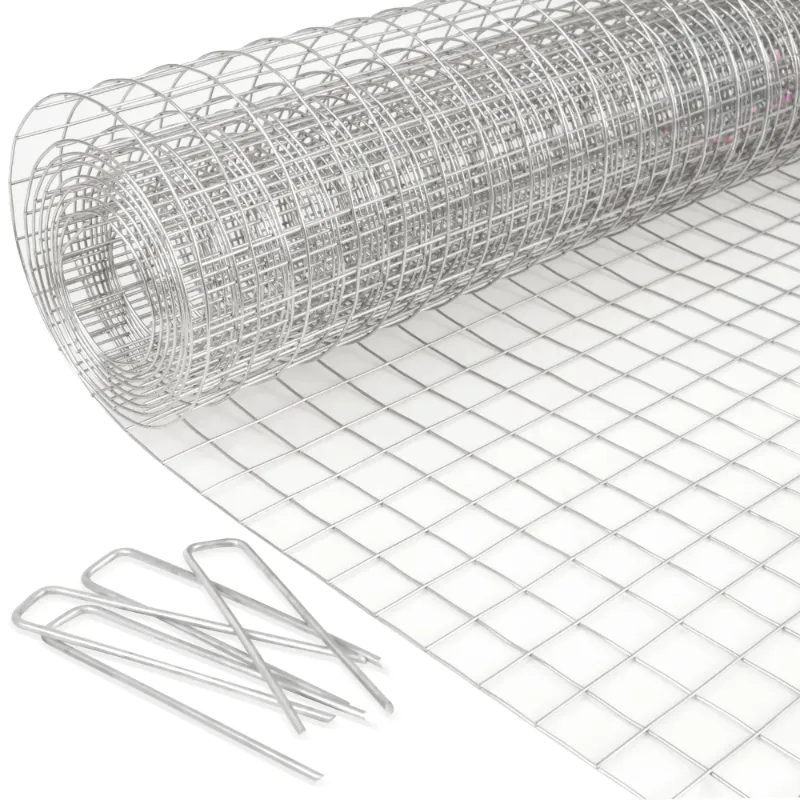
A galvanized steel raised garden bed keeps roots safe from gophers, moles, and voles when you install hardware cloth or gopher wire underneath before filling it with soil. The wire creates a physical barrier that burrowing rodents cannot chew through, and the process takes about an hour for a standard 8ft x 3ft bed. We tested this method with several metal garden beds and found that pre-installation is far easier than retrofitting later.
What You Need Before You Start
Gather your materials before you begin assembly. For most steel raised garden beds, you will need:
- Half-inch hardware cloth or galvanized gopher wire (measure your bed's footprint and add 6 inches to each dimension)
- Heavy-duty wire cutters or tin snips
- Work gloves (the cut edges are sharp)
- Landscape staples or ground stakes (8 to 12 depending on bed size)
- A helper if your bed is larger than 4ft x 8ft
We recommend half-inch mesh over quarter-inch because it blocks gophers while still allowing earthworms and beneficial organisms to move through the soil. The galvanized coating resists rust for years, which matters when you are burying metal underground. Check the latest price on wire that is sized for your specific bed dimensions.
Six Steps to Install Gopher Wire Under Your Bed
1. Choose Your Location and Level the Ground
Pick a spot with at least six hours of sun and clear any grass, weeds, or rocks from the footprint. Use a rake to level the soil so your galvanized garden bed sits flat. An uneven base will create gaps where rodents can enter, so take the time to tamp down high spots and fill low areas.
2. Lay Out the Hardware Cloth
Unroll the wire mesh over your prepared area with the shiny galvanized side facing up. The sheet should extend 3 inches beyond the bed's outer edges on all sides. If you need to join two pieces for a large bed, overlap them by at least 4 inches and secure the seam with zip ties or galvanized wire every 6 inches.
3. Trim to Fit
Use wire cutters to shape the mesh so it matches your bed's footprint plus that 3-inch margin. For rectangular heavy duty metal raised garden beds, cut straight lines. For corner beds or L-shapes, make relief cuts at the angles so the wire lies flat without buckling.
4. Secure the Wire to the Ground
Push landscape staples through the mesh every 12 to 18 inches around the perimeter and one or two in the center for beds over 6ft long. The staples prevent the wire from shifting when you add the bed frame on top. If your soil is very hard, pre-soak the area or use a screwdriver to make pilot holes for the staples.
5. Assemble the Bed Frame on Top
Follow the manufacturer's instructions to build your galvanized steel raised garden bed directly over the secured wire. Most raised garden kit designs use corner stakes or flanges that you drive into the ground, which will pin the wire edges in place. The 3-inch overhang ensures the bed walls sit on top of the mesh rather than inside it, closing any entry points.
6. Fold and Fasten the Edges
Once the frame is stable, fold the overhanging wire up against the inside of the bed walls. Use zip ties or short screws (if your bed has pre-drilled holes) to attach the wire to the lower edge of the metal. This creates a continuous barrier from ground level up through the bed's base.
When to Skip Gopher Wire
You do not need gopher wire if you are gardening in an area with no burrowing rodent activity or if you have chosen a galvanized steel raised garden bed with bottom panel already built in. Some metal raised garden bed with bottom models include a mesh or solid floor that eliminates the need for separate wire installation. We have also worked with urban gardeners on concrete patios who use metal flower bed frames without any底部 protection because there is no soil access for pests.
If you are building on a deck or over landscape fabric intended only for weed control, wire is unnecessary. Save your budget for quality soil and amendments instead, or grab the code to get 10% off a larger bed.
Maintenance and Long-Term Performance
Once installed, galvanized gopher wire requires no maintenance. The zinc coating typically lasts 10 to 20 years underground, outliving most wooden bed frames. We have inspected beds after five seasons and found the mesh still intact with no rust-through or rodent breaches.
Check the wire annually by gently tugging the edges where it meets the bed frame. If you notice any separation or lifting, add a few more staples or zip ties. Gophers will test the perimeter for weak spots, especially in late summer when food is scarce.
If you are expanding your garden, apply the same installation method to additional garden beds so your entire growing area is protected. Pair your raised beds with best compost bins to create a closed-loop system where kitchen scraps feed your soil while the wire keeps pests from undermining your plants.
Why This Method Works for Metal Beds
Galvanized steel frames pair naturally with galvanized wire because both materials share similar lifespans and weather resistance. Unlike wood beds that rot and shift, metal holds its shape, keeping the wire taut and gap-free. The rigid walls also make it easier to secure the folded edges without sagging.
We prefer this approach over burying wire in a trench around the bed because it is faster and covers the entire base in one step. The flat installation also avoids creating air pockets or loose sections that rodents can exploit. For best results, measure twice and cut once so you do not waste wire or leave gaps at the corners.
Frequently asked questions
Can I install gopher wire after my galvanized steel raised garden bed is already full of soil?
Retrofitting is possible but labor-intensive. You will need to remove all the soil, lay the wire, secure it, and refill the bed. It is much easier to install the wire during initial assembly.
What is the difference between gopher wire and hardware cloth?
Both terms describe galvanized wire mesh, but hardware cloth is the general product name while gopher wire usually refers to half-inch mesh specifically sold for pest exclusion. Either works as long as the openings are half-inch or smaller.
Will gopher wire stop moles and voles too?
Yes. Half-inch mesh blocks gophers, moles, voles, and ground squirrels. All of these pests cannot chew through galvanized steel wire or squeeze through the openings.
How long does galvanized gopher wire last underground?
Quality galvanized wire lasts 10 to 20 years in soil. The zinc coating protects the steel from rust, and the mesh remains structurally sound long after wooden bed frames would decompose.
Do I need gopher wire if my raised bed has legs?
Beds with legs that lift the planting area above ground level do not need gopher wire because rodents cannot burrow up from below. Wire is only necessary for beds that sit directly on soil.
Can I reuse gopher wire if I move my metal garden bed?
Yes, if the wire is still intact and rust-free. Carefully remove the staples and zip ties, then reinstall the mesh at your new location following the same steps.