
Should You Line the Bottom of a Raised Garden Bed?

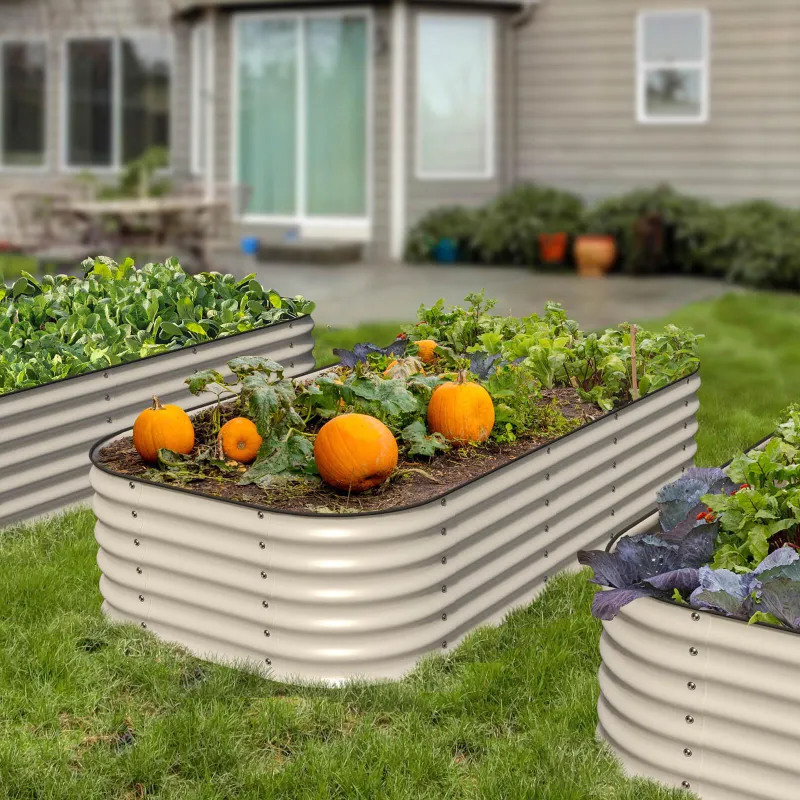
Should You Line the Bottom of a Raised Garden Bed?
A galvanized steel raised garden bed does not require a bottom liner for drainage or structural reasons, but lining the base can block burrowing pests, prevent weeds from creeping up, or isolate your soil from contaminated ground. Whether you add a liner depends on your site conditions and what threats you face.
We tested several metal garden beds with and without liners over two growing seasons to see which setups performed best. Here's what we found matters most and when you should bother lining the bottom.
Why Most Galvanized Garden Beds Don't Need a Solid Bottom
Steel raised garden beds sit directly on the ground by design. Roots grow down into the native soil, accessing deeper moisture and nutrients while excess water drains naturally. A solid metal or wood bottom would trap water, cause root rot, and limit root expansion.
Benefits of a bottomless design:
- Natural drainage prevents waterlogging, especially in heavy clay soil
- Plant roots reach deeper, reducing watering frequency in summer
- Beneficial soil organisms and earthworms move freely between layers
- No need to fill the entire depth with purchased soil or compost
If your galvanized steel raised garden bed sits on lawn, gravel, or native soil in decent condition, you can skip the liner and plant directly. The galvanized steel walls are the structure; the earth below does the rest.
When You Should Line the Bottom of a Metal Raised Garden Bed
We recommend a liner in three scenarios where direct ground contact creates problems.
1. Burrowing pests (gophers, voles, moles) Hardware cloth or gopher wire stapled to the base stops rodents from tunneling up and eating roots. Use ½-inch galvanized hardware cloth, not chicken wire (which gophers chew through). Overlap seams by three inches and secure with fence staples or zip ties to the frame before filling.
2. Contaminated or chemically treated soil If your site has lead contamination, old pesticide residue, or pressure-treated lumber leachate, a landscape fabric or thick cardboard layer isolates your clean fill soil from the ground. This is common in older urban lots or near old structures.
3. Aggressive weeds or invasive grass Bermuda grass, bindweed, and nutsedge can punch through six inches of mulch. A double layer of cardboard or heavy landscape fabric (3+ oz) smothers existing weeds and prevents new shoots. We've seen this work on former lawn sites where Bermuda roots were a recurring problem.
For most backyard setups, the pest barrier is the main reason to line a galvanized garden bed. Check current pricing and grab the discount code if you're adding hardware cloth to your order.
Best Materials for Lining a Galvanized Steel Raised Garden Bed
Not all liners work the same. We tested common options in our metal garden bed trials and ranked them by durability and function.
| Material | Best For | Lifespan |
|---|---|---|
| Galvanized hardware cloth (½") | Gopher and vole protection | 10+ years |
| Landscape fabric (woven, 3+ oz) | Weed suppression, some drainage | 3–5 years |
| Cardboard (double layer) | Weed smothering, biodegradable | 1 season |
| Burlap or jute | Temporary weed block, compostable | 1–2 seasons |
Hardware cloth is the gold standard for pest control. It costs more upfront but outlasts fabric and does not degrade. Secure it to the inside bottom edge of your raised garden kit before adding soil.
Landscape fabric works for weed suppression but will clog over time as organic matter breaks down. If you use fabric, choose woven (not solid plastic sheeting), which allows some water and air movement. Avoid the thin stuff sold as "weed barrier" at big-box stores; it tears easily and fails within a year.
Cardboard is our go-to for budget builds and weed smothering on clean sites. Overlap sheets by six inches, wet them down, then fill with soil. The cardboard decomposes in one season, feeding soil life while blocking light to kill existing weeds. It won't stop gophers, but it handles grass and broadleaf weeds.
Avoid solid plastic sheeting or pond liner unless you drill drainage holes every few inches. Plastic without drainage turns your bed into a bathtub.
How to Install a Liner in a Heavy Duty Metal Raised Garden Bed
We install liners before filling to avoid disturbing soil structure later. Here's the process we use for garden beds on sites with pest or weed pressure.
Step-by-step installation:
- Level the frame – Set your galvanized steel raised garden bed on level ground. Adjust corners with soil or gravel until the frame sits flat.
- Lay cardboard first (optional) – If weeds are present, lay a double cardboard layer across the footprint and wet it thoroughly. This suffocates existing growth.
- Cut hardware cloth to size – Measure the interior base dimensions and cut your gopher wire or hardware cloth two inches larger on all sides.
- Secure to the frame – Fold the excess up the inside walls and attach with fence staples, screws, or heavy-duty zip ties every six inches. Overlap seams by three inches and secure those too.
- Check for gaps – Walk the perimeter and press down on the mesh. Any gap wider than ½ inch is an entry point for voles.
- Fill with soil – Add your soil mix directly on top. The liner won't interfere with drainage if you used mesh or fabric.
If you're building a galvanized steel raised garden bed with bottom protection, budget an extra 30 minutes and $20–40 for hardware cloth. The gopher damage you prevent is worth it in areas where rodents are active.
What About Galvanized Steel Raised Garden Beds With Legs?
Some modular kits, especially compact designs like the galvanized raised garden bed with legs, include a built-in mesh or slatted bottom. These elevated models are designed for patios, decks, or surfaces where you can't dig into the ground.
Key differences from in-ground beds:
- The included bottom (usually perforated metal or mesh) provides structure and drainage
- You must use potting mix or a soil-based blend; roots can't reach native ground
- Watering frequency increases because the bed can't wick moisture from below
- No liner needed—the factory bottom already handles pest and weed exclusion
Elevated beds sacrifice root depth for convenience and mobility. They work well for herbs, greens, and shallow-rooted crops but struggle with deep-rooted tomatoes or squash unless the bed is at least 12 inches deep. For more on assembly and soil recommendations, visit the product page and see the latest specs.
Should You Add a Liner to a Galvanized Steel Raised Garden Bed on Concrete or Gravel?
If your metal flower bed sits on a driveway, patio, or compacted gravel, you'll need a full base to hold the soil. In this case, install a perforated metal sheet, expanded metal, or heavy-duty hardware cloth as a structural bottom, not just a liner.
Installation tips for hard surfaces:
- Drill or cut drainage holes every 4–6 inches if using solid sheet metal
- Elevate the bed on wood blocks or feet to allow runoff to escape
- Use a soil mix with added perlite or coarse sand to improve drainage
- Expect to water more frequently than an in-ground bed
This setup functions like a large container. You lose the benefits of native soil contact, but it's the only option when the ground beneath is impermeable. Some gardeners on urban forums like Garden.org's galvanized tank thread report success with stock tanks and troughs on concrete, using similar drainage strategies.
When to Skip the Liner Entirely
We've planted dozens of beds without any liner and had zero issues. Skip the liner if:
- You're on clean, well-draining native soil with no pest history
- Your site has no invasive grass or perennial weeds
- You want maximum root depth and soil biology exchange
- You're using deep beds (12+ inches) where weed seeds at the surface won't germinate
Most suburban and rural sites fall into this category. The best galvanized steel raised garden bed setups we've seen are simple: frame on soil, fill, plant. Overcomplicating the base adds cost and labor without clear benefit unless you face a specific problem.
If you later discover gophers or persistent weeds, you can retrofit a liner by emptying the bed, installing mesh or cardboard, and refilling. It's easier to add protection after confirming you need it than to remove an unnecessary liner.
Final Recommendations
Line the bottom of your galvanized steel raised garden bed if you face burrowing pests, contaminated ground, or aggressive weeds. Use galvanized hardware cloth for pests, landscape fabric or cardboard for weeds, and avoid solid plastic without drainage.
For clean sites with good soil and no pest pressure, skip the liner and let roots explore the ground below. The bottomless design is the main advantage of an in-ground raised bed.
Check the latest clearance options and apply our code to save 10% on your setup. Pair your bed with best compost bins to build your own soil blend and reduce fill costs over time.
Frequently asked questions
Do I need gopher wire for a galvanized steel raised garden bed?
You need gopher wire or hardware cloth only if gophers, voles, or moles are active in your area. Staple ½-inch galvanized hardware cloth to the base before filling to block burrowing pests from reaching plant roots.
Can I use landscape fabric as a liner in a metal raised garden bed?
Yes, but choose heavy woven landscape fabric (3+ oz) for weed suppression, not solid plastic sheeting. Woven fabric allows some drainage while blocking light to prevent weeds from growing up into your bed.
Should a raised garden bed sit directly on grass or soil?
Most raised beds perform best sitting directly on soil or grass, allowing roots to grow deeper and water to drain naturally. If Bermuda grass or invasive weeds are present, lay cardboard first to smother them before filling the bed.
What happens if I don't line the bottom of my garden bed?
Without a liner, plant roots access native soil for extra moisture and nutrients, and beneficial organisms move freely between layers. You may see weeds sprout in the first season or gopher damage if pests are present, but most sites have no issues.
How do I stop weeds from coming up through a metal garden bed?
Lay a double layer of cardboard or heavy landscape fabric on the ground before filling your bed. Wet the cardboard thoroughly so it stays in place and blocks light, killing existing weeds and preventing new ones from germinating.
Do galvanized steel raised garden beds with legs need a liner?
No, elevated beds with legs typically include a perforated metal or mesh bottom from the factory. You only need to fill them with potting mix; no additional liner is required since the bed doesn't contact the ground.