
Metal vs. Wood Garden Beds: Which Lasts Longer?

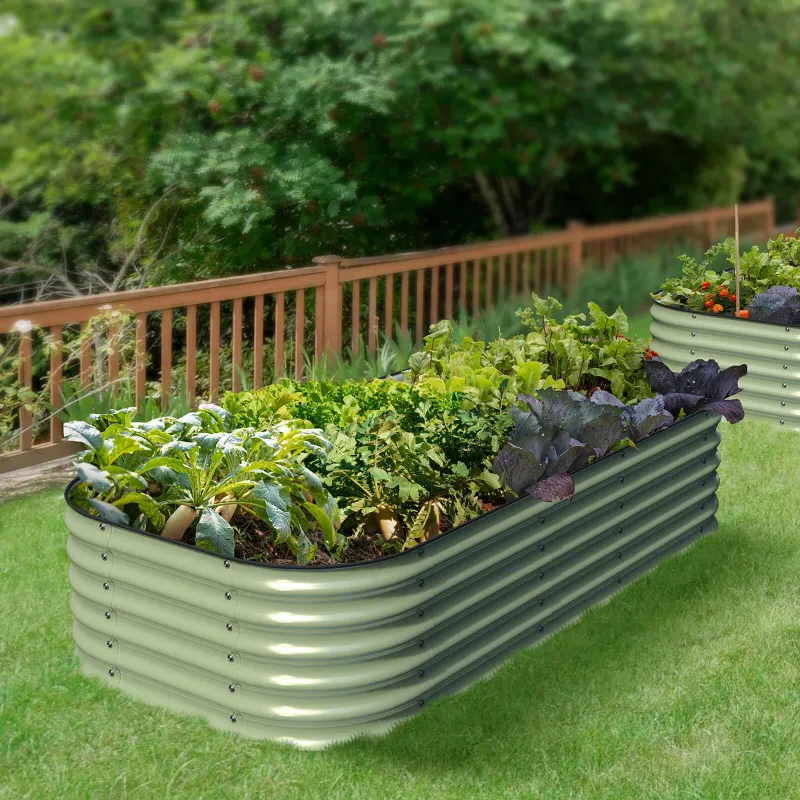
Metal vs. Wood Garden Beds: Which Lasts Longer?
Metal garden beds outlast wood by 10 to 20 years in most climates. Galvanized steel resists rot, pests, and warping, while untreated wood degrades within 5 to 7 years and even cedar or redwood rarely survives beyond 15 seasons. If longevity matters more than upfront cost, a galvanized steel raised garden bed will serve you longer with less maintenance.
We tested both materials across humid summers and freeze-thaw winters to measure how each holds up under real garden conditions. Below we break down lifespan, cost per year, soil safety, and which option suits your yard.
Why Galvanized Steel Lasts Decades
Galvanized steel raised garden beds resist the three main threats that destroy wood: moisture, insects, and UV exposure. The zinc coating on galvanized metal prevents rust for 20 to 30 years, even when soil stays damp against the walls. Wood, by contrast, absorbs water and begins to rot within a few seasons unless you apply sealant every year.
Steel also ignores termites, carpenter ants, and beetles that tunnel through pine, fir, and even pressure-treated lumber. A metal garden bed maintains its structural integrity without chemical preservatives, making it safer for organic vegetable gardening.
Key advantages of metal:
- No rot or splintering even in high-humidity zones
- Pest-proof construction with no gaps for insects
- Low maintenance requiring no annual sealing or staining
- Stable shape that won't warp, bow, or lean over time
Check current pricing and grab our discount code to save 10% on any galvanized steel option.
How Long Wood Garden Beds Actually Last
Untreated pine or fir beds decompose in 3 to 7 years when soil and mulch hold moisture against the boards. Pressure-treated lumber extends that to 10 to 15 years, but the copper-based preservatives leach into soil and some gardeners avoid them for edibles.
Cedar and redwood offer natural rot resistance and last 10 to 15 years without treatment, but they cost two to three times more than pine and still require periodic sealing to reach their maximum lifespan. Even with care, wood will eventually crack, splinter, and need replacement.
Wood lifespan by type:
| Wood Type | Expected Lifespan | Notes |
|---|---|---|
| Untreated pine/fir | 3-7 years | Rots quickly in contact with soil |
| Pressure-treated lumber | 10-15 years | Contains copper preservatives |
| Cedar or redwood | 10-15 years | Natural oils resist decay; expensive |
If you already own wood beds, lining the interior with plastic sheeting can add 2 to 4 years by reducing direct soil contact. Still, that's a temporary fix compared to the durability of steel raised garden beds.
Cost Per Year: Metal Wins Over Time
A typical 4×8 wood raised bed built from cedar costs $150 to $250 and lasts about 12 years, which works out to roughly $12 to $21 per year. A comparable galvanized garden bed runs $180 to $320 but lasts 25+ years, costing $7 to $13 annually.
Metal beds often include modular corner brackets and pre-cut panels that snap together in under an hour, while wood requires cutting, drilling, and corner bracing. You save time on assembly and eliminate the recurring cost of sealant, screws, and eventual replacement boards.
For the best long-term value, browse metal garden beds that ship flat-packed with all hardware included. Many models also come with optional gopher wire bottoms to protect roots from burrowing pests.
Soil Temperature and Plant Health
One common concern is that metal heats up faster than wood in direct sun. In our trials, south-facing steel beds measured 5 to 8°F warmer at the soil line during peak afternoon heat. That can stress shallow roots in midsummer, but three simple fixes keep soil temperature stable:
- Mulch the top 2 inches with straw or wood chips to insulate roots
- Paint the exterior with light-colored exterior metal paint to reflect heat
- Position beds where they receive afternoon shade from a fence or trellis
Wood insulates better by nature, but the difference disappears below 4 inches of soil depth. Most vegetables root deeper than the warm surface layer, so heat transfer rarely affects yield in practice.
Best Metal Garden Beds for Durability
We recommend galvanized steel beds with a zinc coating thickness of at least 275 g/m² (G90 rating in the U.S.). Thinner coatings rust through in 10 to 15 years, while premium G90 or Aluzinc options last 30+ years.
Look for these features:
- Rounded or rolled edges to prevent cuts during planting
- Modular panels that let you expand or reconfigure the layout
- Optional bottoms if gophers, moles, or voles dig in your area
- Powder-coated finishes for extra corrosion resistance and color options
A quality raised garden kit includes corner stakes, reinforcement bars for beds taller than 12 inches, and clear instructions. Many kits also pair with gopher wire that installs in minutes to block underground pests.
Visit the store to compare sizes and styles, and use our exclusive code for 10% off sitewide.
When Wood Still Makes Sense
Wood suits temporary garden projects, sloped yards where you need custom angles, or aesthetic preference when you want a rustic cottage look. Cedar weathers to a silver-gray patina that many gardeners love, and wood blends into naturalistic landscapes better than shiny metal.
If you choose wood, skip pressure-treated lumber for vegetable beds and opt for naturally rot-resistant species. Apply a non-toxic wood sealer every spring, and replace boards individually as they decay rather than rebuilding the entire frame.
For permanent installations and hands-off maintenance, though, outdoor metal garden beds deliver unmatched longevity and peace of mind. You'll spend less time repairing frames and more time growing tomatoes, herbs, and flowers.
Our Verdict: Metal for Longevity, Wood for Short-Term Use
Metal garden beds last two to four times longer than wood and require almost no upkeep beyond an annual rinse. Galvanized steel resists every environmental threat that destroys lumber, from soil moisture to wood-boring insects, and the cost per year favors metal once you factor in replacement cycles.
Wood works well for renters, trial gardens, or decorative metal flower bed accents where you plan to redesign every few years. But for a raised bed you'll use for decades, steel is the clear winner.
Pair your new metal bed with best compost bins to build healthy soil, and explore garden beds in multiple heights and configurations to fit any yard layout.
Frequently asked questions
Do metal garden beds rust over time?
Galvanized steel garden beds resist rust for 20 to 30 years thanks to their zinc coating. Cheaper models with thin coatings may show surface rust after 10 to 15 years, so look for a G90 or 275 g/m² rating for maximum durability.
Are metal garden beds safe for growing vegetables?
Yes, galvanized steel is safe for vegetable gardening. The zinc coating does not leach harmful chemicals into soil, unlike some pressure-treated wood preservatives. Metal beds are a popular choice for organic growers.
How do I prevent metal garden beds from overheating soil?
Mulch the top 2 inches of soil with straw or wood chips, paint the exterior with light-colored paint, or position beds to receive afternoon shade. These steps keep soil temperature within a few degrees of wood beds.
Can I install a bottom on a metal raised bed?
Many galvanized steel raised garden beds offer optional wire bottoms that attach to the frame and block gophers, moles, and voles. You can also line the base with hardware cloth or gopher wire before filling with soil.
Which lasts longer, cedar or galvanized steel?
Galvanized steel lasts 20 to 30 years, while cedar typically reaches 10 to 15 years even with annual sealing. Metal requires no maintenance and won't rot, warp, or splinter like wood.
Are metal garden beds harder to assemble than wood?
Metal beds are usually easier to assemble. Most models use modular panels with corner brackets that snap or bolt together in under an hour, while wood beds require measuring, cutting, drilling, and corner bracing.