
How Long Does a Natural Body Sponge Last?

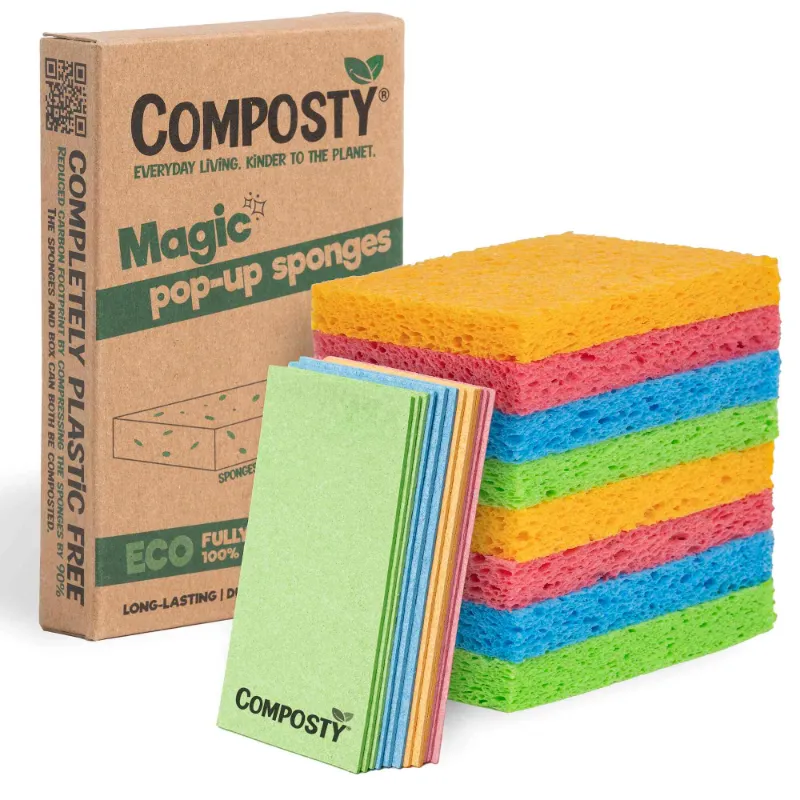
A natural body sponge typically lasts 3 to 8 weeks with proper care, though synthetic options can stretch to several months. Lifespan depends on the material, how often you use it, and whether you dry it thoroughly between showers. We tested a range of bath sponges to show you what affects durability and when it's time to toss yours.
What Affects How Long a Natural Body Sponge Lasts
Several factors determine whether your body sponge gives you three weeks or closer to two months:
- Material type - Sea sponges and loofah body sponges break down faster than synthetic mesh or cellulose options. Natural fibers are biodegradable, so they degrade with use.
- Frequency of use - Daily scrubbing wears down fibers faster than every-other-day use. High-friction body sponge scrub sessions accelerate breakdown.
- Drying conditions - A sponge left damp in a steamy shower stall grows bacteria and mildew, shortening its usable life. Proper airflow extends it significantly.
- Water quality - Hard water deposits and soap residue clog the weave, making sponges stiff and less effective over time.
- Intensity of exfoliation - Aggressive scrubbing on rough skin (elbows, heels) frays natural fibers faster than gentle use on softer areas.
We found that loofah and sea sponge varieties need replacement every 3 to 4 weeks under daily use, while high-quality synthetic mesh bath sponges can last 8 to 12 weeks before losing lather and structure.
Signs It's Time to Replace Your Bath Sponge
Even with great care, every sponge reaches the end of its life. Replace yours when you notice:
- Persistent odor that won't wash out, even after rinsing with vinegar or bleach solution
- Visible discoloration - dark spots, mildew patches, or a uniform dingy gray-brown tone
- Loss of structure - the sponge tears easily, sheds fibers, or feels mushy instead of springy
- Reduced lather - it takes more soap or body wash to generate suds, a sign the pores are clogged or compressed
- Rough texture - natural sponges can become scratchy or brittle as they dry out repeatedly
When your body sponge hits any two of these markers, it's no longer hygienic or effective. Check the latest price and grab a fresh one.
How to Extend the Life of Your Body Sponge
A few simple habits can nearly double the lifespan of any bath sponge:
- Rinse thoroughly after every use - squeeze out all soap and body wash, then rinse under hot water until the water runs clear.
- Wring and shake - expel as much water as possible, then give it a few hard shakes to open up the fibers.
- Hang to dry - use a hook, suction cup, or mesh bag in a spot with good airflow, away from the direct spray of the shower.
- Disinfect weekly - soak in a 10:1 water-to-vinegar solution for 5 minutes, or microwave a damp sponge for 30 seconds (natural sponges only, not synthetic mesh).
- Rotate two sponges - alternate between two so each gets 48 hours to dry completely between uses.
These steps are especially important for natural loofah body sponges, which harbor bacteria more readily than synthetic alternatives. According to testing by Byrdie, proper drying is the single biggest factor in preventing microbial growth.
Natural vs. Synthetic: Which Lasts Longer?
| Material | Typical Lifespan | Pros | Cons |
|---|---|---|---|
| Sea sponge | 3–4 weeks | Soft, hypoallergenic, biodegradable | Expensive, breaks down quickly |
| Loofah (gourd) | 3–5 weeks | Firm exfoliation, compostable | Harbors bacteria, rough on sensitive skin |
| Cellulose | 6–8 weeks | Gentle, affordable, plant-based | Less durable than synthetic |
| Synthetic mesh | 8–12 weeks | Dries fast, long-lasting, great lather | Not biodegradable, can feel scratchy |
If longevity is your priority, synthetic mesh bath sponges win. If you want a sustainable option that you can toss in your green compost when it's spent, stick with loofah or cellulose and plan to replace every month. Amazon's best-seller list shows that most shoppers favor synthetic mesh for the balance of durability and price.
Best Practices for Different Body Sponge Types
For loofah and sea sponges:
- Soak in warm water for 2 minutes before first use to soften fibers
- Trim any loose threads or crumbling edges with scissors
- Replace every 3 to 4 weeks, no exceptions
For synthetic mesh:
- Untangle the mesh after each use to prevent knotting, which traps moisture
- Wash in the washing machine (delicate cycle, laundry bag) once a week
- Replace when the mesh loses its bounce or starts to fray
For cellulose:
- Store flat or hanging, never bunched up in a soap dish
- Rehydrate before use if it dries stiff
- Compost or dispose of after 6 weeks
Who Should Replace Their Body Sponge More Often
Certain situations call for more frequent replacement, even if your sponge still looks and smells fine:
- Sensitive or acne-prone skin - bacteria buildup can trigger breakouts. Replace every 2 weeks.
- Compromised immune system - fresher sponges reduce infection risk. Swap every 2 to 3 weeks.
- Shared bathroom - cross-contamination from roommates or family increases microbial load. Replace monthly.
- Body sponge for men with coarse body hair - hair and dead skin clog natural sponges faster. Plan on 3 weeks max.
If you're dealing with a skin condition or recovering from an infection, dermatologists recommend switching to a fresh bath sponge immediately and replacing it more frequently than usual.
Where to Buy and Save
You'll find the best body sponge options online and at most drugstores, but prices vary widely. Natural loofahs run $3 to $8 each, while synthetic mesh packs often come in multi-packs for better value. Grab our code for 5% off all orders at Composty, where you can also pick up green compost bags for your spent natural sponges. When you factor in replacement frequency, synthetic plastic sponges often cost less per month than natural alternatives, even though the upfront price is similar.
The bottom line: budget for a new sponge every 3 to 8 weeks depending on type and use, and you'll keep your shower routine hygienic and effective.
Frequently asked questions
How do I know when my body sponge is too old to use?
Replace your sponge when it smells musty even after rinsing, shows dark spots or discoloration, tears easily, or stops creating good lather. These signs mean bacteria have taken hold or the fibers are breaking down.
Can I make a loofah body sponge last longer than a month?
With daily disinfecting, thorough drying, and rotating between two loofahs, you might stretch it to 5 or 6 weeks. Beyond that, bacterial buildup becomes a hygiene risk no matter how clean it looks.
Are synthetic bath sponges more hygienic than natural ones?
Synthetic mesh dries faster and resists bacterial growth better than natural loofahs or sea sponges, so it can stay cleaner longer. However, both types need regular rinsing and weekly disinfection.
Should I throw away my body sponge after I've been sick?
Yes. Replace your bath sponge after any illness, especially skin infections or flu, to avoid reintroducing bacteria or viruses back onto your skin.
What's the best way to dry a natural body sponge?
Wring it out completely, shake off excess water, and hang it on a hook or in a mesh bag where air circulates freely. Avoid leaving it in the shower caddy or on a wet ledge.
Can I compost an old loofah sponge?
Yes, natural loofah and cellulose sponges are fully biodegradable. Cut them into smaller pieces and add them to your compost bin. Synthetic mesh sponges are not compostable and must go in the trash.