
Best Desks for Artists: Drafting Tables and Drawing Desks Compared

A drafting table is still the best desk for most artists, because its tilting surface keeps your wrist in a neutral position, reduces neck strain, and puts your whole sheet of paper in view at once. The good news is you no longer have to choose between a classic tilted top and modern function: the best desks for artists today split into three camps, the traditional drafting table, the dedicated drawing desk, and the sit-stand hybrid. We tested desks in all three categories, and below we break down which one fits your medium, your space, and your budget.
Drafting Table vs Drawing Desk vs Standing Desk: The Quick Comparison
| Desk type | Best for | Tilting top | Storage | Works with a computer? |
|---|---|---|---|---|
| Drafting table | Drawing, drafting, illustration, large sheets | Yes, adjustable angle | Often (drawers, ledges) | Sometimes, flat or tilted |
| Drawing desk table | Sketching, tablets, hobby art | Sometimes, fixed or slight | Usually | Yes |
| Electric standing desk | Digital artists, mixed work | No | Limited | Yes, best ergonomics |
If you work mostly on paper at an angle, choose a drafting table. If you split time between a tablet and a screen, the drawing desk table or a standing desk setup will serve you better. If you want one desk that does everything, see the sit-stand section below.
What Makes a Great Drafting Table
A proper drafting table is defined by a few features, and skipping any of them is where cheap imitations fall apart:
- Adjustable tilt. You want a surface that locks anywhere from flat to roughly 45 degrees. Steeper angles suit large-format drafting and painting; shallower angles suit pencil and marker work.
- Solid, stable legs. A wobbly top telegraphs every stroke to your paper. Look for a steel or heavy hardwood frame with cross bracing.
- A work ledge or straightedge. Keeps pencils, rulers, and erasers from rolling off the tilted surface.
- Storage. A drafting table with drawers or a drafting table with storage underneath means your pens, templates, and reference sheets live where you work.
The VersaTables drafting table checks all four, with an angle-adjustable top and integrated storage, and it is built from the same heavy-gauge steel line the brand uses for its office desks. For current pricing and any active discounts, check the latest price and grab the code before you buy.
Sizing Your Drawing Desk to Your Medium
The biggest mistake artists make is buying too small. Your surface should be at least one sheet size larger than the largest paper you use, because you need room for your non-drawing hand and your tools.
- Illustration and comic artists: a 42 inch wide top handles 11x17 comfortably with workspace to spare.
- Architects and designers: an architectural drafting table with a parallel bar lets you draw true horizontal lines across the full sheet, which a ruler alone cannot guarantee. If you are shopping for a drafting table with parallel bar specifically, test that the bar rides smoothly and locks without bending the sheet.
- Digital artists: a flat or nearly flat drawing desk table is better than a steep tilt, since tablets and monitors behave differently at an angle. The VersaTables drawing desk table is aimed at exactly this use, with a wide flat surface and built-in power and cable management.
If you share your studio with kids doing homework, a dedicated school desk is a cheap way to keep them off your main surface.
Sit-Stand Hybrids: When an Electric Standing Desk Makes Sense
If your art is digital, or you alternate between drawing and editing on a computer, an electric standing desk may serve you better than any tilted top. The benefit is not the tilt, it is the ability to change height throughout a long session, which matters more than most artists expect for shoulder and lower-back comfort. Pair it with a tablet arm or a second angled surface and you get much of the drafting benefit in one footprint.
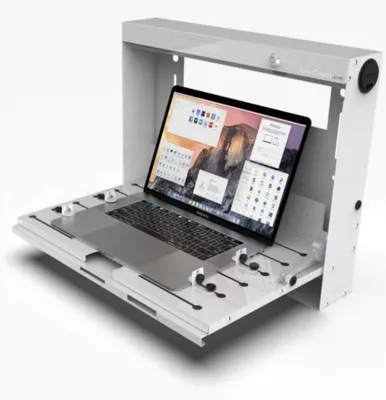
A clever middle ground for mixed setups is a hidden monitor desk, which tucks your screen below the surface when you want a clean paper-drawing area and raises it when you switch to digital work. For reference screens or a laptop kept at eye level beside your main desk, a laptop wall mount frees up surface space entirely, which matters on a tilted top where clamp arms are awkward.
Vintage Charm vs Modern Function
Searches for a drafting table vintage style are understandable: old cast-iron and oak drafting tables from mid-century studios are genuinely beautiful and often rock solid. But before you buy used, know the tradeoffs:
- Vintage tops are frequently warped, scratched, or oil-stained, and replacement parts (tilt mechanisms, straightedges) are hard to find.
- Many vintage tables have fixed or limited tilt ranges.
- Modern tables add cable management, levelers, and storage that old designs lack.
If you love the look but want the function, a modern table in a wood-tone finish gets you 90 percent of the aesthetic with none of the maintenance. You can browse the classic category widely to compare styles on Drafting Tables or Shop Drafting Tables & Drawing Desks before deciding which direction fits your studio.
Portable and Small-Space Options
Not everyone has room for a full-size table, and a portable drafting table solves that. These are smaller tilting boards that sit on an existing desk or even your lap, usually with clip-on ledges. They are the right pick for students, apartment dwellers, and anyone who sketches away from home. The compromises: smaller sheets, lighter stability, and no integrated storage. If your space later grows, they pair nicely as a secondary surface with a full drawing desk.
A note on drafting table ikea options and drafting table amazon listings: big-box and marketplace listings vary wildly in frame quality, and tilt hardware is usually where they cut cost. If you go that route, prioritize a metal hinge mechanism over plastic, and read reviews specifically mentioning wobble. VersaTables builds with steel frames and a lifetime warranty approach, which is why we recommend them for a primary studio surface; to see what a code saves you right now, grab the code.
Care Tips to Make Your Table Last Decades
- Clean the top with the finish in mind. Laminate and powder-coated steel tops want mild soap and water; avoid solvents that haze the surface.
- Check tilt hardware twice a year. Tighten bolts and lubricate hinge points so the angle locks stay firm.
- Use a board cover or large cutting mat. It protects the surface from compass points, blade slips, and ink, and it is cheap to replace.
- Level the feet. An unlevel floor plus a tilted top equals rolling tools and drifted lines. Most modern tables include adjustable levelers for exactly this reason.
Our Verdict
For a dedicated art studio, a full-size drafting table with storage is the desk we recommend first, and the VersaTables drafting table is the one we would buy with our own money. Digital-first artists should look at the drawing desk table or an electric standing desk instead, and small-space users can start with a portable tilting board. Match the desk to your medium, size it one sheet larger than you think you need, and it will outlast every other piece of gear in your studio.
No matter which direction you go, check our coupon page before ordering, because VersaTables runs sitewide discounts that apply to the whole desk line.
Frequently asked questions
What angle should a drafting table tilt be set to?
Most artists work best with the top between 10 and 45 degrees depending on medium. Steeper angles suit large-format drafting and ink work, while flatter angles are better for pencil, markers, and anything involving a tablet or monitor.
What is the difference between a drafting table and a drawing desk?
A drafting table has an angle-adjustable tilted surface designed for drawing on paper at an angle, while a drawing desk is usually flat and designed for sketching, tablets, and mixed computer work. Choose the drafting table for paper-first work and the drawing desk if you split time with a screen.
How big should my drawing desk surface be?
Size the surface at least one sheet size larger than your biggest paper. A 42 inch wide top comfortably handles 11x17 sheets with room for your hand and tools.
Can I use a standing desk for drawing?
Yes, and it is the best choice if you alternate between drawing and computer work. Standing desks change height for better long-session ergonomics, though you will not get the tilted paper surface unless you add a tablet arm or angled board.
Are vintage drafting tables worth buying used?
Check whether the tilt mechanism is metal rather than plastic, whether the legs have cross bracing, and whether reviews mention wobble. Vintage tables often have warped tops or worn hardware, so inspect those first.
Does the VersaTables drafting table come with storage?
The VersaTables drafting table has an adjustable tilt top and built-in storage with a steel frame. Current pricing and any active discount codes are listed on our coupon page.