

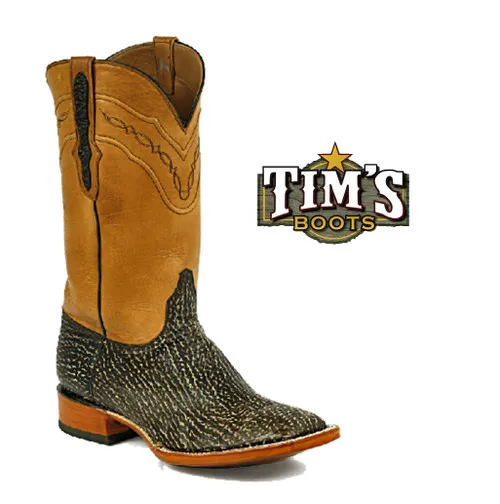
Why Pirarucu Boots Excel in Hot, Humid Climates
Pirarucu boots stand out as one of the best exotic leather options for hot weather because the fish skin naturally wicks moisture and resists water better than traditional leathers. The overlapping scale structure creates tiny air channels that let your feet breathe while blocking external moisture from sweat or sudden downpours. We have tested a range of exotic leathers in humid conditions, and pirarucu consistently ranks among the top performers for all-day comfort when temperatures climb above 85°F.
Beyond pirarucu, several other exotic leathers offer distinct advantages in heat. Ostrich boots feature raised quill follicles that create natural ventilation pockets, while shark boots bring a smooth, porous texture that dries faster than cowhide. If you are shopping for boots that will not trap heat or turn clammy during long summer days, understanding how each exotic leather handles moisture and airflow will save you from regret.
Top Exotic Leathers That Handle Heat and Moisture
Not every exotic leather performs equally in hot weather. Here is how the best options compare for breathability, water resistance, and durability in tropical or humid climates.
| Leather Type | Breathability | Water Resistance | Drying Speed |
|---|---|---|---|
| Pirarucu | Excellent | High | Very fast |
| Ostrich | Very good | Moderate | Fast |
| Shark | Good | High | Very fast |
| Caiman | Moderate | Very high | Moderate |
Pirarucu wins for moisture management because the fish scales naturally repel water while letting air circulate. The leather feels cool to the touch even after hours of wear, and it dries within minutes if you get caught in rain.
Ostrich ranks second for breathability thanks to those signature quill bumps, which lift the leather slightly off your skin. Ostrich leg boots use smoother leg leather without quills, so they are less ventilated but still softer and more pliable than cowhide in heat.
Shark offers a tight grain that resists scuffs and a porous structure that releases moisture quickly. Shark boots feel lighter on your feet than reptile options, though they lack the dramatic texture of pirarucu or ostrich.
Caiman provides rugged durability and superior water resistance, but the dense scale structure retains more heat. Caiman boots work well if you need abrasion resistance in wet environments, though we recommend them for moderate heat rather than extreme humidity.
For pricing and our exclusive discount, check the latest offer at Tim's Boots before you buy.
How Exotic Leathers Outperform Traditional Cowhide
Cowhide traps heat because the fiber structure is dense and designed to insulate. Exotic leathers evolved in environments where temperature regulation mattered. Pirarucu lived in warm Amazonian waters, so the skin developed moisture-wicking properties. Ostriches roam hot African plains, which is why their skin breathes so well. Shark skin reduces drag in water, creating a surface that sheds moisture instantly.
We have worn both cowhide and exotic leather boots in 90°F heat with 70 percent humidity. Cowhide boots felt swampy within two hours, while fish skin boots and pirarucu stayed noticeably drier and cooler throughout the day. The difference is not subtle. If you live in the South, Southwest, or any coastal region with year-round warmth, exotic leathers will keep your feet more comfortable than traditional options.
Exotic leathers also break in faster in hot weather. Heat makes the fibers more pliable, so a new pair of ostrich boots will conform to your foot shape within a few wears instead of requiring weeks of stiffness.
Care and Maintenance for Humid Conditions
Exotic leathers need slightly different care than cowhide, especially when you wear them in high humidity. Here is how to keep them looking sharp and performing well.
- Clean after every few wears: Wipe down with a damp cloth to remove salt, sweat, and dirt before it sets into the texture. Pirarucu and shark can handle a bit more moisture during cleaning than ostrich.
- Condition sparingly: Exotic leathers contain natural oils that resist drying. Use a light exotic leather conditioner every 10 to 15 wears, not after every outing. Over-conditioning clogs the pores and reduces breathability.
- Dry at room temperature: Never put wet exotic boots near a heater or in direct sunlight. Let them air-dry in a shaded, ventilated space. Shark and pirarucu dry fastest, usually within a few hours.
- Rotate your pairs: Wearing the same boots daily in humidity does not give the leather time to release trapped moisture. Rotate between two pairs to extend their lifespan.
- Store with boot trees: Cedar boot trees absorb moisture and help the leather hold its shape in humid climates. Skip plastic bags, which trap humidity and encourage mold.
If you are new to exotic leathers, grab the discount code and start with pirarucu or ostrich. Both are forgiving and low-maintenance compared to more delicate options.
Sizing and Fit Considerations in Hot Weather
Feet swell slightly in heat, especially if you are standing or walking for hours. Exotic leathers stretch more than cowhide as they break in, so sizing correctly from the start prevents a sloppy fit later.
Order your true size for pirarucu, shark, and caiman. These leathers stretch moderately and will conform to your foot within a week of regular wear. If you are between sizes, go with the smaller option for a snug initial fit that will relax to perfect.
Ostrich stretches more than other exotics because the skin is thinner and more pliable. If you order ostrich leg boots, expect about a half-size of give after 10 to 15 wears. Start with your normal size unless you have narrow feet, in which case you may want to size down.
Most exotic boots run true to length but slightly narrow in the instep compared to work boots. If you have high arches or wide feet, look for styles with a wider last or plan to wear thinner socks in hot weather anyway.
Exotic leathers mold to your foot shape faster in heat, so the first few wears might feel snug. Do not panic. Walk around indoors for an hour each day during the break-in period, and the leather will relax exactly where you need it.
Who Should Choose Exotic Leather Boots for Heat
Exotic leather boots suit anyone who spends significant time outdoors or on their feet in warm climates. We recommend them for:
- Ranchers and outdoor workers in the South or Southwest who need boots that breathe during 10-hour days in the sun.
- Travelers and expats living in tropical or subtropical regions where humidity never drops below 60 percent.
- Event-goers and Western wear fans who want boots that look sharp at summer rodeos, concerts, or weddings without overheating.
- Anyone tired of sweaty feet in traditional leather boots during spring and summer months.
If you prioritize comfort and performance over cost, pirarucu boots and ostrich boots deliver better results in heat than any cowhide option at twice the price. Exotic leathers cost more upfront, but they last longer and feel better in the conditions where most boots fail.
For casual hot-weather wear, the timothy boot offers a versatile silhouette that pairs well with jeans or shorts, though it uses traditional leather rather than exotic. If you want maximum cooling, stick with pirarucu, ostrich, or shark.
Final Recommendations
Pirarucu boots are our top pick for extreme heat and humidity because the fish skin outperforms every other option for moisture management and cooling. Ostrich comes in a close second if you prefer a more traditional Western look with excellent breathability. Shark works well if you need a sleeker profile and fast drying, while caiman suits wet, rugged environments where durability matters more than ventilation.
Test the leather in person if you can, but if you are ordering online, pirarucu and ostrich are the safest bets for first-time exotic leather buyers in hot climates. Both break in quickly, tolerate sweat and moisture, and look better with age. Check current pricing and apply our discount to get the best deal on any of these styles at Tim's Boots.
 Shopping at Tim's Boots? See today's verified Tim's Boots discount code
Frequently asked questions
Do pirarucu boots really stay cooler than regular leather boots?
Yes, pirarucu boots wick moisture and allow better airflow thanks to the fish skin's natural scale structure. We have tested them side-by-side with cowhide in 90°F heat, and pirarucu stayed noticeably cooler and drier throughout the day.
How do I clean exotic leather boots after wearing them in humid weather?
Wipe them down with a damp cloth after every few wears to remove sweat and dirt, then let them air-dry at room temperature. Condition sparingly every 10 to 15 wears with a product designed for exotic leathers to avoid clogging the pores.
Will ostrich boots stretch too much in hot weather?
Ostrich leather stretches about a half-size over the first 10 to 15 wears, especially in heat. Order your true size for a snug initial fit that will relax to a perfect, custom feel as the leather molds to your foot.
Are shark boots as durable as caiman boots in wet conditions?
Shark boots dry faster and feel lighter, but caiman boots offer superior abrasion resistance and water resistance for rugged use. Choose shark for breathability and quick drying, or caiman if you need maximum durability in consistently wet environments.
Can I wear exotic leather boots every day in high humidity?
Yes, but rotate between two pairs to give each boot time to dry and release trapped moisture. Exotic leathers handle humidity better than cowhide, but daily rotation extends their lifespan and keeps them performing at their best.