

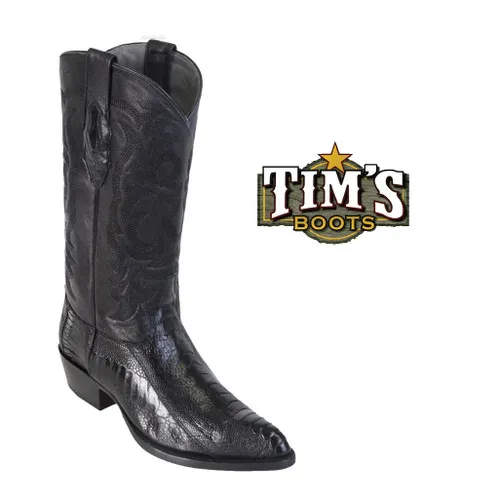
How to Care for Ostrich Leg Boots
Ostrich leg boots demand gentle, consistent care to preserve their signature raised quill follicles and soft leather. Unlike smooth exotics such as shark boots or caiman boots, the textured surface of ostrich leg boots traps dust and oils more readily, making regular maintenance essential. We've tested dozens of exotic leather care methods, and this guide walks you through the cleaning, conditioning, and storage practices that actually extend the life of these unique boots.
Why Ostrich Leg Leather Needs Special Attention
The leg skin of an ostrich features the iconic bumpy quill pattern—small, raised follicles where feathers once grew. This three-dimensional texture creates pockets that collect dirt, dust, and body oils faster than flat leathers like pirarucu boots or standard cowhide. The leather itself is naturally supple and breathable, but it dries out quickly in low humidity or when exposed to direct heat. Without proper conditioning, the quills can flatten, crack, or lose their definition. Regular care prevents premature aging and keeps the leather flexible enough to conform to your foot without splitting at flex points.
Cleaning Ostrich Leg Boots Step-by-Step
Start by removing surface dust with a soft horsehair brush, working in small circular motions around each quill. Avoid stiff bristles that can catch and tear the raised follicles. For deeper cleaning:
- Mix a few drops of pH-neutral saddle soap or exotic leather cleaner with lukewarm water
- Dampen a soft cloth (never soak it) and wring out excess water
- Gently wipe the leather in sections, rinsing and wringing the cloth frequently
- Use a soft toothbrush dipped in soapy water to clean between quills if needed
- Wipe away soap residue with a clean, damp cloth
- Stuff boots with newspaper or boot trees and air-dry at room temperature, away from radiators and sunlight
Never submerge ostrich leather or use hot water, which can shrink the skin and distort the quill pattern. If you own other exotics like fish skin boots, note that ostrich tolerates moisture better than delicate scales but still requires careful drying.
Conditioning and Moisturizing Ostrich Leather
Condition your boots every 8 to 12 wears, or whenever the leather feels stiff or looks dull. We recommend exotic leather conditioners or mink oil formulated for textured skins:
- Apply a small amount of conditioner to a microfiber cloth
- Massage it into the leather using gentle circular motions, ensuring the product reaches the base of each quill
- Let the conditioner absorb for 10 to 15 minutes
- Buff away excess with a clean, dry cloth to restore a soft sheen
Avoid petroleum-based products or heavy waxes that clog the quills and create a sticky buildup. If you're unsure which conditioner to use, check our discount code page for recommendations and current pricing on care kits designed for exotic leathers. The same conditioners work well on smooth exotics like ostrich boots made from the back or body skin, though those require less frequent treatment.
Protecting Against Water and Stains
Ostrich leather is more water-resistant than many exotics, but prolonged exposure still causes staining and stiffness. Before your first wear, apply a spray-on exotic leather protector in a well-ventilated area:
- Hold the can 6 to 8 inches away and apply a light, even coat
- Let the boots dry for 24 hours
- Apply a second coat for enhanced protection
- Reapply every 4 to 6 weeks or after cleaning
If your boots get wet, blot them immediately with a soft towel and air-dry slowly. Never use a hairdryer or place them near a heat source, which can cause the quills to harden and crack. Salt stains from winter sidewalks should be wiped away as soon as possible with a damp cloth and a drop of white vinegar diluted in water.
Storage and Long-Term Maintenance
Proper storage prevents creasing, color fading, and mold growth. When you're not wearing your boots:
- Insert cedar boot trees to maintain shape and absorb moisture
- Store in a cool, dry place away from direct sunlight, which fades the natural dye
- Keep them in breathable cotton dust bags, not plastic, which traps humidity
- Avoid stacking or crushing the quills under heavy objects
Rotate your boots with other pairs—wearing the same exotic leather daily doesn't give the material time to breathe and recover. If you also own cow fur boots, alternate them to reduce wear on any single pair. Before storing boots for an extended period, clean and condition them fully, then check every few months for signs of drying or mold.
When to Seek Professional Care
While routine cleaning and conditioning can be done at home, some situations call for a cobbler experienced in exotic leathers. Bring your boots to a professional if you notice deep scuffs that penetrate the quill layer, stitching that's come loose, or soles that need replacing. A specialist can also restore color to faded areas using dyes formulated for ostrich skin. For current deals on professional-grade care products or to explore the full exotic leather lineup, visit our Tim's Boots discount page where you'll find 10% off all orders.
Ostrich leg boots are an investment, and treating them with the right care routine ensures they'll age gracefully and remain a standout in your collection for years.
 Shopping at Tim's Boots? See today's verified Tim's Boots discount code
Frequently asked questions
How often should I condition ostrich leg boots?
Condition your boots every 8 to 12 wears, or whenever the leather feels dry or stiff. In very dry climates, you may need to condition them more frequently to prevent the quills from cracking.
Can I use regular leather cleaner on ostrich leather?
Use only pH-neutral saddle soap or cleaners formulated for exotic leathers. Regular leather cleaners may contain harsh chemicals that dry out or damage the unique quill texture of ostrich skin.
Are ostrich leg boots water-resistant?
Ostrich leather is naturally more water-resistant than many exotics, but it's not waterproof. Apply a spray-on exotic leather protector and blot spills immediately to prevent staining and stiffness.
What's the best way to remove dirt from between the quills?
Use a soft horsehair brush in circular motions for surface dust. For stubborn dirt, gently work a soft toothbrush dipped in diluted saddle soap between the quills, then wipe clean with a damp cloth.
Can I store ostrich boots in plastic bags?
Never store ostrich leather in plastic, which traps moisture and promotes mold growth. Use breathable cotton dust bags and insert cedar boot trees to maintain shape and absorb humidity.
How do ostrich leg boots compare to other exotic leathers in care needs?
Ostrich leg leather requires more frequent cleaning than smooth exotics like shark or caiman because the raised quills trap dust and oils. However, it's more forgiving of moisture than delicate fish skin.