
Best Laser Level and Pole Kit for Ceiling and Drywall Work

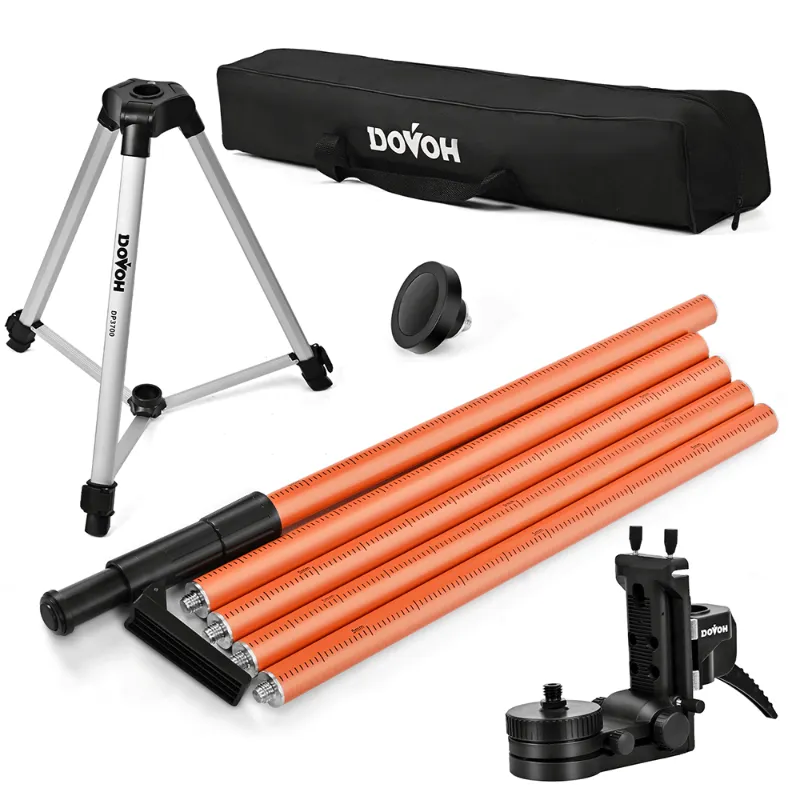
Best Laser Level and Pole Kit for Ceiling and Drywall Work
A laser level and pole kit solves the biggest headache in ceiling work: holding a level steady overhead while marking layout lines. We tested pole-mounted setups across drywall installation, drop ceiling grid, and trim carpentry to find which combinations lock secure, extend high enough, and project lines you can see in daylight. The laser level and pole bundles we recommend pair a self-leveling cross line or grid projector with a telescoping pole rated to hold the weight without droop.
Most ceiling jobs need at least eight feet of working height, so a telescoping laser pole that reaches ten to twelve feet gives you overhead clearance on standard residential framing. Pair it with a cross line laser level for layout, or upgrade to a grid laser level when you're installing suspended ceiling tile and need both horizontal and vertical reference planes.
Why Pair a Laser Level with a Telescoping Pole
Handheld laser levels work fine on walls, but ceilings demand a hands-free setup. A pole mount keeps the projector stable at height and frees both hands for measuring, cutting, or fastening. Here's what the combination delivers:
- Overhead reach without ladders or scaffolding for quick layout checks
- Stable projection that won't shift when you bump the tripod or pole base
- 360-degree reference when you mount a self-leveling dovoh laser level that casts lines around the room
- Fast setup for repetitive tasks like marking joist bays or aligning recessed light cans
A laser level and pole kit is especially useful for solo contractors who need to lay out ceiling grid or drywall seams without a second pair of hands holding a chalk line.
Choosing the Right Laser Level for Pole Mounting
Not every laser mounts securely on a pole. Look for models with a standard ¼-20 threaded mount on the base, the same fitting used by camera tripods and rotary laser accessories. The laser's weight matters too: anything over two pounds can cause a lightweight pole to sag or tip.
| Laser Type | Best For | Pole Compatibility |
|---|---|---|
| Cross line | Drywall seams, trim layout | Excellent (lightweight, single mount) |
| Grid laser | Drop ceilings, tile work | Good (heavier, needs firm pole lock) |
| Rotary | Large outdoor sites, grading | Requires heavy-duty tripod pole |
A cross line laser level projects one horizontal and one vertical line, enough for most interior framing and drywall. A grid laser level adds extra vertical planes to create a full cross-hatch pattern on the ceiling, which speeds up tile or panel installation. For outdoor work or bright job sites, consider a laser level with receiver so you can detect the beam in full sun.
Telescoping Laser Pole Features That Matter
The pole is just as critical as the laser. We've used flimsy poles that twist under load and premium models that lock rigid at full extension. Focus on these features:
- Extension range: ten to twelve feet covers most residential ceilings; commercial work may need sixteen feet
- Locking mechanism: twist locks are common, but flip-lever clamps hold tighter and adjust faster
- Base stability: a tripod foot or wide rubber pad prevents tip-over on uneven subfloor
- Weight capacity: verify the pole is rated for your laser's weight plus a safety margin
Aluminum poles balance strength and portability. Fiberglass poles insulate against electrical contact if you're working near wiring, though they're heavier. Some laser level and pole kits include a detachable head that accepts both the laser and a digital laser angle finder for roof layout or stair stringer work.
Setting Up a Laser Level and Pole Kit for Ceiling Work
Mounting a laser on a pole takes seconds once you know the sequence. Start by extending the pole to the height you need, then lock each section from bottom to top so the lower joints support the upper weight. Thread the laser onto the pole's mounting stud and hand-tighten until snug. Power on the laser and let the self-leveling pendulum settle; most models flash or beep until they're level.
Position the pole base directly under your layout point, then sweep the room to check that the projected line hits your reference marks. If the line drifts, the pole may be leaning or the floor uneven. A small bubble vial on the pole helps you plumb it before you lock the laser down.
For long runs, grab the current Dovoh discount code and add a laser level with receiver so you can mark points beyond the visible beam range. The receiver mounts on a story pole or tape measure and beeps when it intercepts the laser plane.
Outdoor and High-Visibility Considerations
Indoor cross line lasers struggle in bright sun or when bounced off a ceiling twelve feet away. An outdoor laser level pumps more power into the diode for a brighter line, and many include a pulsed mode that works with a receiver. If you're laying out deck joists or soffit, pair the outdoor model with a telescoping pole and receiver so you can work in full daylight.
Battery life matters on all-day jobs. The fl 260 battery is a common rechargeable pack that powers Dovoh lasers for six to eight hours of continuous use. Keep a spare charged if you're running the laser all day, or look for models with an AC adapter port so you can plug in on indoor projects.
Klein Tools and Johnson Level both offer laser level accessories including poles, tripods, and mounting brackets. You'll also find a wide selection at Ace Hardware if you prefer to buy in-store and test the fit before you commit.
Who Should Buy a Laser Level and Pole Kit
This combination shines for contractors and serious DIYers who install drywall, drop ceilings, or interior trim on a regular basis. If you're framing a single room, renting a pole-mounted laser makes sense. If you're running a remodeling business or building spec homes, owning a laser level and pole kit pays for itself in time saved and layout accuracy.
Electricians and HVAC installers use pole-mounted lasers to mark ceiling penetrations for recessed lights, registers, and ductwork. Tile setters rely on grid lasers to lay out suspended ceiling tile without snapping chalk lines. Solo operators appreciate the hands-free setup, while two-person crews can lay out and cut simultaneously.
Check the latest pricing and our exclusive code to see current bundle deals on complete kits. We update the page whenever Dovoh runs a promotion, so you'll see the best available discount before you buy.
Frequently asked questions
Can I mount any laser level on a telescoping pole?
Most self-leveling lasers with a ¼-20 threaded base mount securely on standard poles. Heavier rotary lasers may require a tripod-style pole or dedicated stand to prevent tipping.
How high does a laser pole need to extend for drywall work?
Ten to twelve feet covers most residential ceilings. Commercial jobs with taller decks may need a sixteen-foot extension or a scaffolding-mounted setup.
Do I need a receiver with my laser level and pole kit?
A receiver helps in bright conditions or when the ceiling is too far for the naked eye to see the line clearly. Indoor work under standard lighting usually doesn't require one.
What's the difference between a cross line and a grid laser for ceiling work?
A cross line projects one horizontal and one vertical plane, enough for drywall seams. A grid laser adds extra verticals to create a full cross-hatch, which speeds up tile and panel layout.
Can I use the same pole for a laser level and an angle finder?
Many poles include a universal mount head that accepts both tools. Check that the pole's weight capacity covers your angle finder if it's heavier than the laser.
How do I keep the pole stable on uneven subfloor?
Look for a pole with a tripod foot or adjustable base pads. Shim under the low side or use a leveling plate to bring the base plumb before you mount the laser.