
Cross Line vs Grid Laser Level: Which Layout Tool Do You Need?

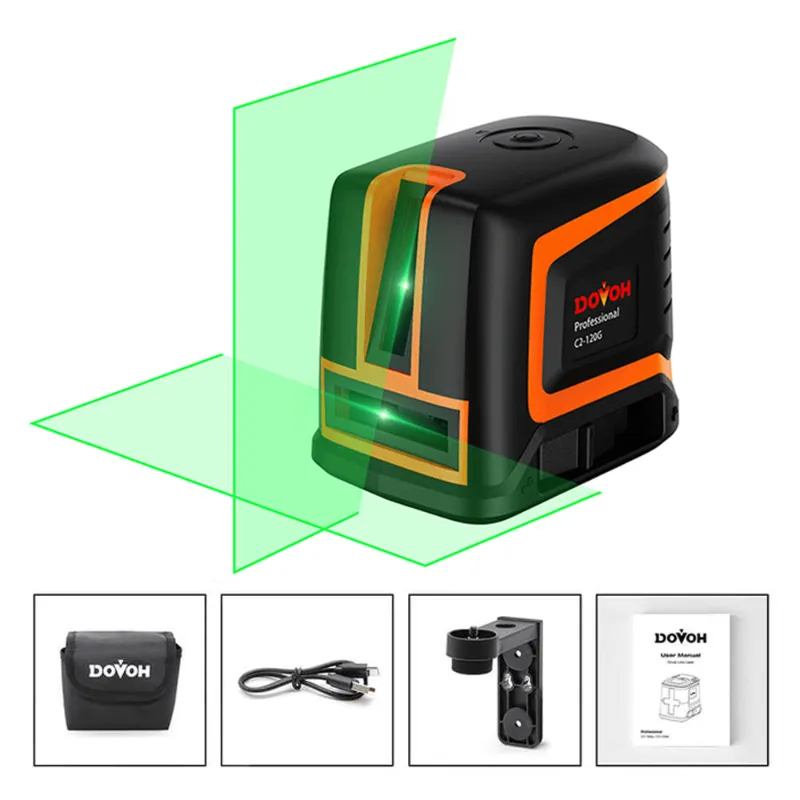
Cross Line Laser Level vs Grid: Which Layout Tool Do You Need?
A cross line laser level projects two perpendicular beams—one horizontal and one vertical—to establish 90-degree reference lines across walls, floors, and ceilings. A grid laser level takes that foundation and adds multiple parallel lines in both directions, creating a grid pattern that speeds up repetitive layout work like tile installation or electrical box spacing. The tool you need depends on whether your projects require simple alignment or dense, multi-point reference lines.
We tested both formats on framing, tile, and MEP rough-in jobs to see where each excels and where one becomes overkill.
When a Cross Line Laser Level Is Enough
Most residential and light-commercial tasks need only two reference lines. A cross line laser level handles:
- Hanging cabinets and fixtures where you mark height and plumb in one pass
- Framing walls by projecting a level line for top plates and a vertical line for stud layout
- Picture rails and chair rails that follow a single horizontal line around a room
- Door and window installation where plumb and level checks happen at discrete points
Cross line models are lighter, drain batteries slower, and cost less than grid units. If you rarely install tile or lay out dozens of outlet boxes, the two-beam simplicity of a dovoh laser level keeps setup fast and the price reasonable. For outdoor grading or site layout, pair a cross line tool with a laser level with receiver to extend range beyond what the naked eye can see.
You can also mount a cross line unit on a laser level and pole to project lines at any height without a ladder, which matters when you're setting ceiling grid or marking soffit elevations solo.
Why You'd Choose a Grid Laser Level
A grid laser level projects four or more lines—typically two horizontal and two or more vertical beams spaced at regular intervals. That matrix shines when you need to:
- Tile walls or floors where every course must align to a grid, not just one centerline
- Install ceiling grid or acoustical tile by marking runner spacing in both directions
- Lay out electrical boxes, outlets, and switches at consistent heights and intervals across multiple rooms
- Set formwork or rebar cages for concrete pours that demand repeating reference points
Grid patterns eliminate the constant measure-and-mark cycle. You project the entire matrix, snap chalk lines or set fasteners directly on the beams, and move to the next bay. The trade-off is weight, battery draw, and visibility—dense line patterns can wash out in bright ambient light or confuse you if you don't need all the references.
Beam Visibility and Range Differences
Both cross line and grid tools share the same fundamental optics, so indoor range is similar—typically 30 to 50 feet for red diodes and 50 to 100 feet for green. Outdoors, neither is useful past 10 feet in direct sun unless you add a detector.
Grid lasers can look dimmer because total laser power is split across more beams. If you're working in a sunlit room with large windows, a two-line cross tool will appear brighter than a five-line grid at the same wattage. An outdoor laser level with a pulsed beam and compatible receiver solves range and brightness in one package, whether you choose cross or grid geometry.
Battery life also differs. A grid laser drawing four or five diodes will drain an fl 260 battery roughly twice as fast as a cross line unit under identical conditions. Plan on carrying a spare if your tile or ceiling job runs all day.
Accuracy and Self-Leveling Across Both Formats
Modern cross line laser level self leveling mechanisms use pendulums or electronic gimbals that settle within ±1/8 inch at 30 feet. Grid lasers use the same technology, so you're not sacrificing precision by adding more lines. Both formats will alert you with a blinking beam or audible tone if tilt exceeds the leveling range—usually ±4 degrees.
For trim and finish carpentry, ±1/8 inch is tight enough. For control-line surveying or machine installation, verify the spec sheet and consider a rotary laser or optical level instead. A digital laser angle finder complements either tool when you need to set or verify slopes, beams, or stair stringers that aren't plumb or level.
Setup Speed and Portability
A cross line laser weighs 1 to 2 pounds and fits in a tool pouch. You pull it out, press the power button, wait two seconds for the pendulum to settle, and you're projecting. A grid unit adds another half-pound and requires you to toggle which beams are active—many models let you shut off individual lines to reduce clutter or save power.
Portability matters when you're moving between rooms or floors. If your workflow involves quick checks—hanging a mirror, leveling a countertop, marking a single cutline—a compact cross line tool beats hauling a multi-line grid and tripod. Conversely, if you spend an hour in one space laying out 30 electrical boxes, the extra setup time for a grid pays off in eliminated tape work.
Real-World Recommendations by Trade
| Trade or Task | Best Choice | Why |
|---|---|---|
| Framing, trim, cabinetry | Cross line | Two reference lines cover plumb and level |
| Tile installation, large format | Grid | Matrix speeds layout without constant measuring |
| Electrical rough-in, multi-gang | Grid | Consistent outlet/switch height across rooms |
| Exterior grading, foundation | Cross line + receiver | Detector extends range; grid lines unnecessary outdoors |
If budget allows one tool, a cross line laser handles 80 percent of residential and remodel work. Add a grid when tile or finish electrical becomes a regular part of your schedule. You can check the latest price and grab the code for either format; current offers include 15 percent off Dovoh units.
How Popular Brands Compare
Cross line laser level Bosch, Dewalt, and Milwaukee models dominate contractor discussions, and each offers both cross line and grid variants. Bosch is known for bright green diodes and rugged housings. Dewalt integrates Bluetooth on some models for remote operation. Milwaukee focuses on battery interoperability with its M12 platform.
ToughBuilt cross line laser level and Dovoh tools deliver similar beam specs at lower price points, trading brand recognition for value. We found Dovoh's self-leveling accuracy and battery life competitive with the household names, especially on interior jobs where you're not subjecting the tool to heavy drops or weather.
If you shop at a big-box store, you'll see cross line laser level Home Depot and Lowe's selections skew toward Bosch, Dewalt, and Milwaukee. Online or through specialty dealers, Dovoh and other direct brands offer similar performance at 30 to 50 percent less.
Final Verdict
Choose a cross line laser level if your work centers on alignment, plumb, and level checks at individual points—cabinets, doors, partitions, and trim. Pick a grid laser level when you need to mark repeating intervals quickly—tile, ceiling grid, outlet arrays, or formwork. Both formats share the same leveling accuracy and indoor range; the difference is how many reference lines you see at once.
For most users, a cross line tool plus a tripod or pole covers the widest range of tasks without the added cost and battery drain of a grid. When tile or high-volume electrical layout becomes routine, upgrade to a grid model or keep both in your kit and deploy each where it saves the most time.
Frequently asked questions
Can I use a cross line laser level outdoors?
Yes, but you'll need a laser receiver to detect the beam beyond 10 feet in daylight. The naked eye cannot see red or green laser lines in direct sun, so a detector mounted on a pole or grade rod picks up the pulsed signal and alerts you when you're on-line.
Do grid laser levels drain batteries faster than cross line models?
Yes. A grid laser powers four or more diodes simultaneously, roughly doubling battery consumption compared to a two-line cross tool. Carry a spare battery if you're running a grid all day on tile or ceiling layout.
Which is better for hanging cabinets, cross line or grid?
A cross line laser is better for cabinets. You need one horizontal line for height and one vertical line for plumb, so the extra beams of a grid add clutter without helping alignment.
Are Dovoh laser levels as accurate as Bosch or Dewalt?
Dovoh cross line and grid models deliver the same ±1/8 inch at 30 feet accuracy as major brands. Build quality and brand service differ, but leveling performance and beam visibility are competitive for interior work.
Can I turn off some lines on a grid laser level?
Most grid lasers let you toggle individual beams on or off. This reduces visual clutter when you only need horizontal or vertical references and extends battery life by powering fewer diodes.
What's the best cross line laser level for tile work?
A grid laser level is better for tile. The matrix of horizontal and vertical lines lets you align every course and grout joint without measuring each one, saving significant layout time on large walls or floors.