
Bora Wheel Spacers for Dodge Trucks: Fitment, Safety, and Installation Questions Answered

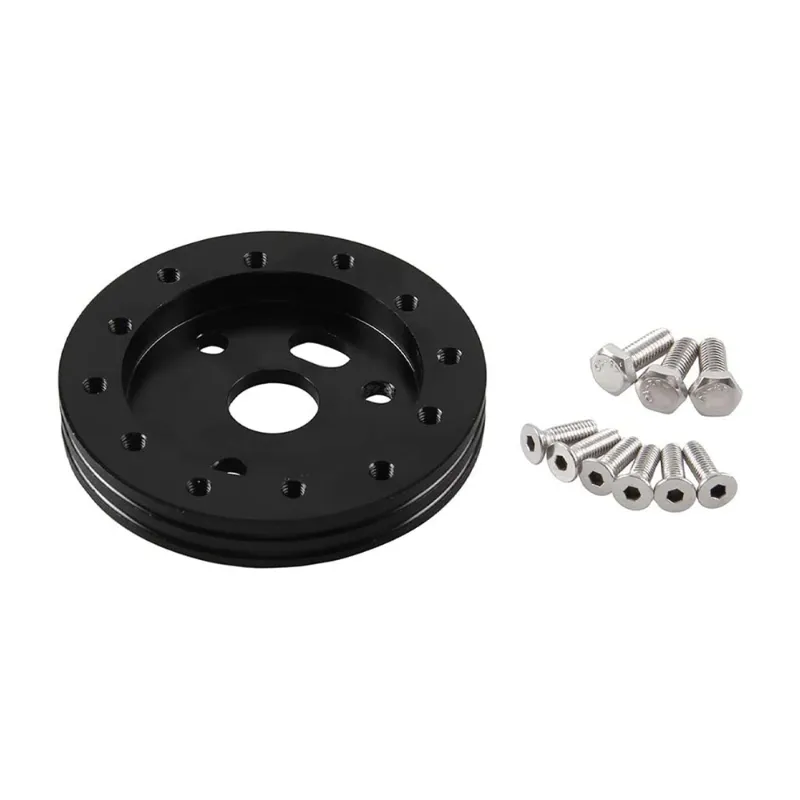
bora wheel spacers are a smart fitment upgrade for Dodge trucks when you need more tire clearance, a wider stance, or help correcting wheel offset without changing wheels. For GSTP shoppers, the key is choosing the right bolt pattern, thickness, hub fit, and hardware before you install anything. This guide focuses on the real questions buyers ask before ordering bora wheel spacers, especially for Dodge and Ram truck setups.
Why Dodge Truck Owners Choose Bora Wheel Spacers
Wheel spacers solve a specific fitment problem: they move the wheel outward from the hub. On Dodge trucks, that can help when larger tires rub suspension parts, aftermarket wheels sit too far inboard, or the stance looks tucked after a lift or leveling kit.
Common reasons shoppers look at this upgrade include:
- Tire clearance: More room between the tire sidewall and control arms, radius arms, sway bars, or inner fenders.
- Wheel offset correction: A way to adjust stance when the wheel’s offset is not ideal for the truck.
- Appearance: A wider track can make lifted trucks look more balanced.
- Compatibility planning: Some owners use spacers to keep factory wheels while changing tire size.
The important part is not just buying a spacer that “looks right.” You need the correct hub bore, bolt pattern, stud size, lug seat, and thickness for your exact truck. If you are already shopping for dodge parts, treat spacers like a precision fitment part rather than a cosmetic add-on.
For current availability, fitment notes, and the active GSTP offer, check the latest price before ordering.
Bora Wheel Spacers Fitment: Bolt Pattern, Hub Bore, and Thickness
Fitment starts with the truck, not the tire. Dodge and Ram trucks have used different bolt patterns across generations and duty classes, so you should verify your exact model year, trim, axle setup, and wheel specs.
Here are the terms that matter most:
| Fitment Detail | Why It Matters | What To Verify |
|---|---|---|
| Bolt pattern | The spacer must match the hub and wheel | Common searches include 8x170, 8x180, 8x6.5, and 6x5.5 |
| Hub bore | Keeps the wheel centered on the hub | Match the truck’s hub size and wheel center bore |
| Thickness | Changes clearance and stance | Confirm fender clearance, stud length, and wheel pocket depth |
| Stud and lug specs | Holds the assembly safely | Match thread pitch, lug nut style, and torque procedure |
Search terms like bora wheel spacers 8x180, bora wheel spacers 8x170, bora wheel spacers 8x6 5, and bora wheel spacers 6x5 5 usually point to shoppers trying to match heavy-duty or truck-specific bolt patterns. Do not assume a listing fits because it mentions Dodge, Ram, or a similar year range. Confirm the measurements.
Thickness is just as important. A bora wheel spacers 2 inch setup may give a strong stance and extra clearance, but it can also increase load on wheel bearings and push the tire closer to the fender edge. A thinner spacer may solve inner clearance without making the truck look overly wide. The right answer depends on wheel offset, tire width, suspension height, and how the truck is used.
If you are unsure, measure your current clearance at full steering lock and suspension compression, then compare that space to the spacer thickness you are considering.
Safety Checks Before You Install
Spacers can be safe when they are correctly engineered, correctly fitted, and correctly installed. Problems usually come from mismatched parts, poor installation, dirty mounting surfaces, wrong lug nuts, or skipping torque checks.
Before installation, inspect these areas:
- Hub face: It should be clean, flat, and free of rust scale or debris.
- Spacer seating: The spacer should sit flush against the hub with no rocking.
- Stud engagement: Lug nuts must fully engage according to the hardware requirements.
- Wheel pockets: If the original studs protrude past the spacer, the wheel needs relief pockets or a different setup.
- Lug nut style: Conical, ball, and flat-seat lugs are not interchangeable.
- Torque process: Use the correct sequence and recheck after the first drive cycle.
For broader background on the brand and its spacer lineup, the manufacturer page for BORA is a useful starting point. We still recommend confirming fitment through the specific GSTP product page and your truck’s measurements.
If you are doing several maintenance jobs at once, this is also a good time to inspect surrounding components. Worn steering parts, loose ball joints, weak wheel bearings, or tired suspension hardware can make a spacer install feel worse than it is. Tools and service parts such as a ball joint separato, engine mount, transmission cooler lines, or an engine air filter may belong on the same workbench if you are refreshing an older Dodge truck.
Installation Questions Dodge Owners Ask Most
The basic process is straightforward, but the details matter. A clean, careful install is what separates a solid fitment upgrade from a vibration problem.
Typical install flow:
- Park on level ground and secure the truck.
- Remove the wheel and inspect the hub, studs, and mounting surface.
- Clean the hub face until the spacer can sit perfectly flat.
- Install the spacer using the supplied hardware and the correct torque sequence.
- Mount the wheel to the spacer and torque in a star pattern.
- Recheck torque after driving and again after some heat cycles.
Avoid shortcuts. Do not install over rust flakes, paint buildup, or dirt. Do not use impact-only tightening as your final torque method. Do not stack spacers. Do not grind hardware unless the spacer manufacturer or fitment instructions clearly support that exact procedure.
A frequent question is whether thread locker is needed. Follow the instructions that come with the spacer kit and the truck-specific hardware guidance. Some applications call for it, others rely on correct torque and clean threads. Guessing is not the right move here.
If you need the current coupon before buying tools or parts, grab the code and confirm the live offer at checkout.
Comparing Spacers, Offset Wheels, and No Change
Spacers are not the only way to change stance. Sometimes the better move is a wheel with the correct offset. Other times, a spacer is the most practical option because you want to keep factory wheels, preserve a specific look, or solve a minor clearance issue.
| Option | Best For | Trade-Off |
|---|---|---|
| Quality hub-centric spacers | Keeping current wheels while improving clearance | Requires exact fitment and careful installation |
| New offset wheels | Full stance and fitment control | Higher total cost and more variables |
| No change | Stock tire sizes and no rubbing | May not solve clearance after lift or tire upgrade |
For work trucks, towing rigs, and daily drivers, we prefer conservative fitment. The truck should steer cleanly, avoid fender contact, and keep predictable road manners. If the goal is only appearance, be honest about the compromises. Wider stance can throw more debris down the body and may increase stress on components if taken too far.
Owners shopping broader dodge auto parts should think system-wide. A spacer may fix tire clearance, but it will not correct worn suspension bushings, bad alignment, weak shocks, or steering looseness.
Care, Retorque, and Long-Term Use
After installation, the job is not finished until you have verified torque and checked for vibration. Drive normally at first, listen for clicking or looseness, and stop if anything feels wrong.
Good follow-up habits include:
- Rechecking torque after the first short drive.
- Inspecting spacer and wheel seating after off-road use.
- Cleaning mating surfaces whenever wheels are removed.
- Watching for uneven tire wear after changing stance.
- Getting an alignment if the truck also received suspension changes.
If you rotate tires at home, keep the spacer hardware separate from the wheel hardware and avoid mixing lug nuts. Use the right tools, work slowly, and inspect for corrosion or damaged threads each time. Owners who do their own service may already keep specialty tools around, from a tool to take off fan clutch to an oil filter cutter, oxygen sensor adapter, or o2 sensor adapter. The same careful-tool mindset applies here.
Who Should Buy Them From GSTP
This upgrade makes the most sense for Dodge and Ram owners who have already measured their truck and know what problem they are solving. It is a practical choice if you want more inner tire clearance, want to keep current wheels, or need a stance correction after tire and suspension changes.
It is probably not the right buy if:
- You do not know your bolt pattern or hub bore.
- Your wheel bearings, ball joints, or steering parts are already questionable.
- You are trying to cover up alignment or suspension problems.
- You want an extreme stance without checking fender clearance.
GSTP also carries broader performance and repair items, including ls6 intake manifold products for different builds, but wheel spacers should be selected by measurement rather than guesswork. Start with fitment, confirm hardware, read the product page carefully, then check the current GSTP code before placing the order.
The bottom line: choose bora wheel spacers only when the measurements support the setup, install them with clean surfaces and correct torque, and recheck the truck after driving. Done that way, they can be a useful, specific solution for Dodge truck stance and clearance issues.
Frequently asked questions
Are bora wheel spacers safe for Dodge trucks?
They can be safe when the spacer matches the truck, the hub and wheel seat correctly, and the hardware is torqued as directed. Most issues come from wrong fitment, dirty mounting surfaces, or skipped retorque checks.
How do I know which spacer size my Ram or Dodge needs?
Check your truck’s exact model year, axle, bolt pattern, hub bore, wheel center bore, and current wheel offset. If any of those details are uncertain, verify them before ordering rather than relying on a broad fitment label.
Can I install wheel spacers with factory wheels?
Only if your wheels have enough pocket depth or the spacer setup is designed so the factory studs do not interfere. If the studs contact the back of the wheel, the wheel will not seat safely.
Do I need a shop to install bora wheel spacers?
Many careful DIY owners can install them with the right jack stands, torque wrench, clean mounting surfaces, and fitment checks. If you are unsure about hub seating, stud engagement, or torque procedure, use a qualified shop.
Are bora wheel spacers for tractors or John Deere the same as truck spacers?
Some people search those terms because BORA makes spacers for agricultural applications too. This guide is focused on Dodge and Ram truck fitment, so tractor or John Deere spacer searches should be checked against the correct equipment-specific listing.