
How to Use a Fan Clutch Tool, Ball Joint Separator, and Crankshaft Pulley Removal Tool Safely

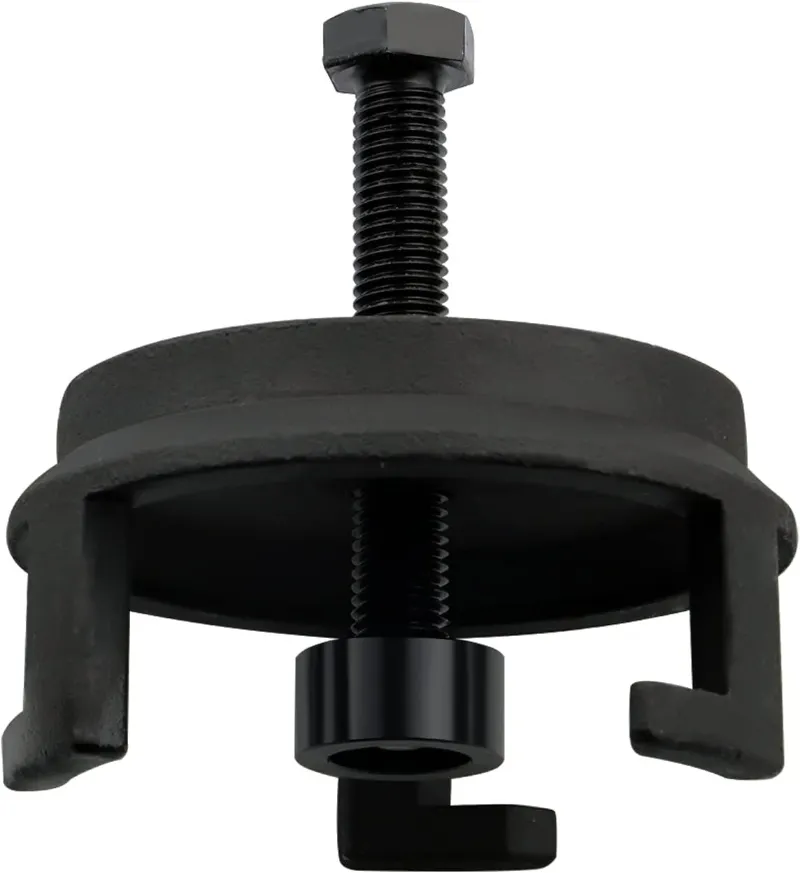
A crankshaft pulley removal tool is the safe choice when a harmonic balancer or pulley will not slide off by hand, and it pairs well with the right fan clutch and ball joint tools when you are doing front-end or engine-bay work at home. In this guide, we are focusing on GSTP’s tool to take off fan clutch, ball joint separato, and related repair parts so you can avoid damaged threads, bent pulleys, split boots, and unsafe shortcuts. For current GSTP pricing or the active discount, grab the code before you buy.
When to Use a Crankshaft Pulley Removal Tool
Use a crankshaft pulley removal tool when the crank pulley, harmonic balancer, or damper is pressed onto the crank snout and will not release evenly. The point is controlled, centered pulling force. Pry bars, hammers, and jaw pullers in the wrong place can chip the pulley, damage the timing cover, or stress the crankshaft seal.
You are usually in this zone when you are working on:
- Timing belt or timing cover access
- Front crank seal replacement
- Harmonic balancer replacement
- Accessory drive repairs
- Engine teardown or refresh work
A proper puller uses bolts or adapters to attach to the pulley or balancer, then a center forcing screw applies pressure against the crankshaft end. If you are comparing rental or store options, search terms like crankshaft pulley removal tool AutoZone, crankshaft pulley removal tool Harbor Freight, and crankshaft pulley removal tool OReillys are common because shoppers want to compare fit, thread options, and kit contents before committing. For background on common puller styles, AutoZone’s harmonic balancer puller category is a useful reference.
Fan Clutch Tool vs Ball Joint Separator vs Pulley Puller
These tools all remove stuck parts, but they do it in different ways. Mixing them up is how good parts get ruined. A tool to take off fan clutch holds or turns the fan clutch nut without crushing nearby components. A ball joint separator applies force at the joint taper. A pulley puller pulls straight from the centerline of the crank.
| Tool | Best Use | Main Safety Risk |
|---|---|---|
| Fan clutch tool | Removing threaded mechanical fan clutches | Slipping into radiator fins or hoses |
| Ball joint separator | Separating tapered suspension joints | Tearing boots or sudden joint release |
| Pulley puller | Removing crank pulleys and balancers | Damaging crank threads or pulley grooves |
A fan clutch tool is usually used near the radiator, so clearance matters. A ball joint separator is used around suspension arms, steering knuckles, and boots, so placement matters. A pulley puller is used on the front of the engine, so alignment and thread engagement matter.
If your project includes surrounding service parts, check fitment before checkout. GSTP also lists related items like engine mount, transmission cooler lines, and dodge auto parts that may matter when the vehicle is already apart.
Safe Steps for Fan Clutch Removal
Fan clutch jobs look simple until the nut refuses to move. The big mistake is grabbing the fan blades for leverage. Blades can crack, flex, or cut your hands, and radiator clearance is often tight.
Basic safe process:
- Let the engine cool fully before working near the fan, belts, or radiator.
- Remove covers or intake pieces only as needed for access.
- Confirm the fan clutch thread direction for your vehicle.
- Seat the holding wrench or clutch tool fully before applying force.
- Use steady pressure instead of hammering near the radiator.
- Keep hands clear once the clutch breaks loose.
The right tool to take off fan clutch helps keep force on the nut instead of the blades. If you are servicing a Dodge truck or SUV, match the tool to the exact engine and model year, then review any related dodge parts you may need while the shroud or belt area is open.
Before buying, use the GSTP coupon page to check the latest price because the better deal may affect whether you buy only the tool or add the repair parts at the same time.
How to Use a Ball Joint Separato Without Wrecking Boots
GSTP’s product listing uses the search term ball joint separato, and that is the tool style buyers usually mean when they want to separate a ball joint or tie-rod taper without beating on the knuckle. The goal is to apply force where the taper locks into the steering knuckle, not to crush the rubber boot or pry against thin metal.
Before you start:
- Support the vehicle on stands, never only a jack.
- Remove the wheel for clear access.
- Loosen the nut, but consider leaving it partially threaded until the joint pops.
- Inspect boot position before inserting the separator.
- Wear eye protection because the joint can release suddenly.
A separator can be a fork style, screw press style, or clamp style. Fork styles are fast but often damage boots. Screw press styles give more control and are better when you plan to reuse the joint. If the joint is being replaced anyway, boot damage may not matter, but knuckle damage still does.
This is also the moment to inspect nearby parts. Loose joints often show up with worn bushings, tired mounts, or wheel fitment changes. If your build uses bora wheel spacers, confirm wheel clearance and lug engagement after suspension work, not before.
Puller Setup, Sizing, and Thread Care
A diy crankshaft pulley removal tool setup can work if it uses the correct bolts, a centered forcing screw, and enough thread engagement, but random hardware is not a good substitute for a real kit. Weak bolts can stretch or snap, and mismatched thread pitch can damage the pulley or crank.
Check these before applying force:
- Bolt diameter and thread pitch match the pulley or balancer.
- Bolts thread in evenly and deeply enough to hold.
- The puller plate sits flat, not cocked to one side.
- The center screw is aligned with the crank center.
- The crank bolt hole or adapter is protected from mushrooming.
- Lubricate the forcing screw if the tool maker recommends it.
Some vehicles need specialty adapters. A Jaguar crankshaft pulley removal tool search, for example, often comes from engines where clearance, pulley design, or holding method is more specific than a universal kit can handle. When in doubt, compare the service manual procedure with the kit contents before leaning on the wrench.
For professional-grade examples of damper puller categories, Snap-on’s harmonic damper pulley pullers page shows why tool geometry and adapter selection matter.
Related GSTP Parts Worth Checking During the Job
Specialty tools usually come out because something else is already being repaired. That is why we like checking nearby wear parts while access is open. It can save repeat labor, especially when front engine accessories, suspension joints, or exhaust sensors are already exposed.
Good add-on checks include:
- Replace a dirty engine air filter while intake pieces are removed.
- Inspect an engine mount if the engine rocks during fan or pulley work.
- Check transmission cooler lines for seepage near the radiator.
- Use an oxygen sensor adapter or o2 sensor adapter only when the thread and sensor placement match the job.
- Use an oil filter cutter for inspection after break-in, rebuild, or suspected bearing material.
- Confirm ls6 intake manifold fitment before combining intake work with accessory repairs.
For Dodge owners, the broad dodge auto parts category is useful when one job uncovers another issue. Do not guess on fitment, especially with engine family changes, trim differences, or aftermarket modifications.
Buying Checklist for GSTP Tools and Parts
The best tool choice is the one that fits your vehicle and applies force in the intended direction. Before placing an order, compare the job, access space, and required adapters instead of buying only by photo.
Use this quick checklist:
- Match the tool to the vehicle, engine, and component.
- Confirm whether the part is threaded, pressed, tapered, or clipped in place.
- Read the kit contents so you know which adapters are included.
- Plan for replacement hardware if the service manual calls for it.
- Keep penetrating oil, gloves, eye protection, and torque specs ready.
- Stop if the tool tilts, binds, or loads unevenly.
GSTP’s current store offer is best checked on the coupon page, so use it to get the 20% off all orders code before checkout. We would rather see you buy the correct tool once than force the wrong one and replace a damaged pulley, joint, radiator, or sensor afterward.
Frequently asked questions
When do I actually need a crankshaft pulley removal tool?
Use a crankshaft pulley removal tool when the pulley or harmonic balancer is press-fit and will not come off evenly by hand. Do not use pry bars against the timing cover or pulley grooves because that can damage nearby parts.
Can I use a fan clutch tool as a pulley puller?
Usually no. A fan clutch tool is designed for the fan clutch nut and holding points, while a pulley puller is designed to apply centered pulling force to a pulley or balancer.
Will a ball joint separato damage the boot?
It depends on the separator style and how carefully it is placed. Fork-style separators often damage boots, while screw-style separators usually give better control if you need to reuse the joint.
How do I choose the right GSTP tool to take off fan clutch?
Check the vehicle, engine, thread direction, and available clearance around the radiator and shroud. The GSTP tool to take off fan clutch should be matched to the specific fan clutch design before ordering.
Is a DIY pulley removal setup safe?
You can use a DIY setup only if the bolts, thread pitch, alignment, and forcing screw are correct for the pulley. Random hardware is risky because it can strip threads, snap, or pull unevenly.
Should I inspect related parts during this job?
Yes, it is smart to inspect nearby parts while access is open. Common checks include engine mount condition, transmission cooler lines near the radiator, and Dodge parts that are easier to reach during the same repair.