
Engine Air Filter vs Oil Filter Cutter: What DIY Dodge Owners Need for Routine Maintenance

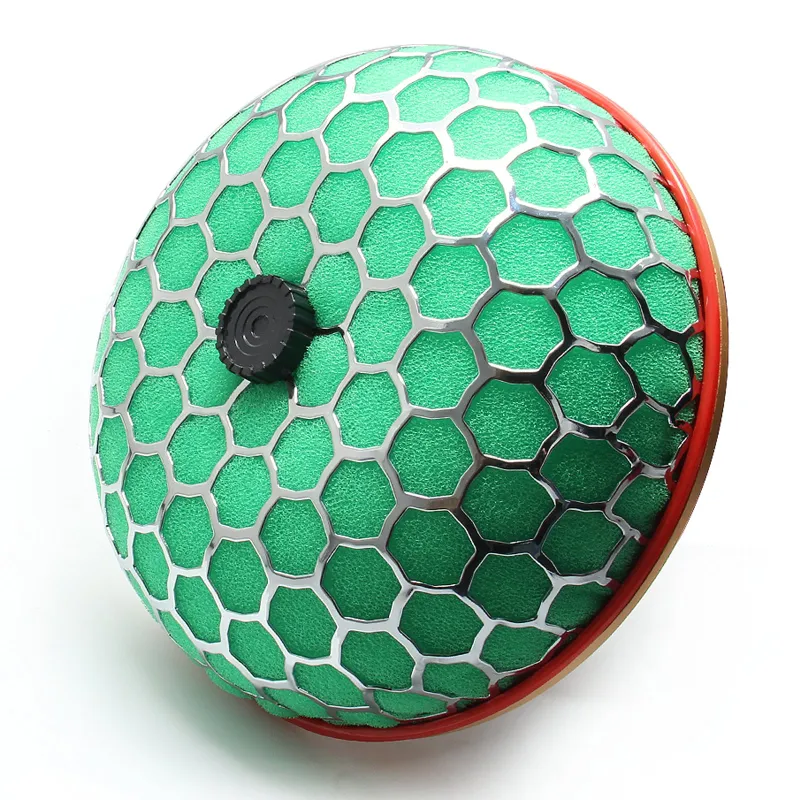
An engine air filter is the first routine-maintenance part most DIY Dodge owners should check, while an oil filter cutter is a diagnostic tool you use after an oil change when you want to inspect what the filter caught. For most garages, the filter comes first because it supports normal airflow and drivability, then the cutter becomes useful if you track wear, tow often, or troubleshoot a high-mileage engine. We would treat both as practical shop items, but they solve very different problems.
Engine Air Filter Basics for DIY Dodge Maintenance
A clean intake filter helps the engine breathe without letting road grit, dust, leaves, and debris reach the intake tract. If you are shopping GSTP for routine service items, start with the engine air filter and confirm fitment against your exact Dodge model, year, engine, and airbox style before ordering.
The basic job is simple:
- Pull air through the filter media before it reaches the throttle body or intake tube.
- Trap dirt that can accelerate wear inside the engine.
- Maintain predictable airflow for normal idle, acceleration, and fuel control.
- Keep the airbox sealed so unfiltered air does not bypass the filter.
This is also where a lot of search confusion comes from. An engine air filter vs cabin air filter comparison is not about better or worse. The intake filter protects the engine, while the cabin filter cleans air entering the passenger compartment. Capital One has a useful plain-English overview of the difference between cabin and engine filters in this cabin filter comparison.
For Dodge owners, the main buying question is fitment, not brand hype. If the panel is too small, the seal may not sit correctly. If it is too thick, the airbox lid may not close evenly. If you are comparing current GSTP availability or using the site offer, check the latest price before you place the order.
Oil Filter Cutter: What It Actually Tells You
An oil filter cutter is not a replacement part. It is a shop inspection tool that opens a used spin-on oil filter so you can examine the media inside. That matters when you want evidence instead of guesses after an oil change.
Once the filter is opened, DIY owners typically look for:
- Shiny metal flakes that may point to abnormal internal wear.
- Magnetic debris that could come from ferrous engine components.
- Non-magnetic particles that may suggest bearing, piston, or other material wear.
- Filter media collapse, tearing, or heavy sludge buildup.
- Signs that the oil change interval, oil choice, or operating conditions need review.
A cutter is most useful when you are maintaining a performance build, towing regularly, reviving a stored vehicle, or watching a known engine issue. It is less urgent for a simple weekend tune-up where the vehicle runs well and you only need basic service parts.
Use gloves, drain the used filter fully, and keep the cut edge away from your hands. We also like to spread the media on a clean white towel so small particles are easier to see. If you find a lot of metal, do not jump straight to the worst-case repair. Confirm with oil analysis, pressure checks, and mechanical inspection before ordering major dodge parts.
Which Tool Belongs in Your Cart First?
The best first purchase depends on whether you are servicing a healthy vehicle or diagnosing a possible problem.
| Need | Better First Buy | Why It Makes Sense |
|---|---|---|
| Routine tune-up | Intake filter | Direct service item with regular replacement value |
| Used Dodge inspection | Filter cutter | Helps reveal what the old oil filter captured |
| High-mileage troubleshooting | Filter cutter | Adds evidence before deeper teardown decisions |
| Basic garage restock | Intake filter | More owners will use it sooner and more often |
If the vehicle is due for engine air filter replacement, buy the service part first. If you already have fresh filters on hand and you are trying to understand engine health, the cutter earns its place.
For many Dodge owners, the smart order is simple:
- Replace worn maintenance items first.
- Inspect old parts while they are off the vehicle.
- Add diagnostic tools when they help you make better repair decisions.
- Use the coupon page to grab the code when you are bundling several GSTP items.
That bundle approach works especially well when you are buying dodge auto parts for a larger maintenance weekend instead of paying separate shipping or placing multiple small orders.
Fitment, Size, and Compatibility Checks
Filter fitment is where DIY jobs either go smoothly or become annoying. Engine air filter size can vary across model years, trim levels, and engines, even when vehicles look similar from the outside. Do not rely on a photo alone.
Before ordering, check:
- Vehicle year, make, model, and engine.
- Airbox shape and lid latch style.
- Existing filter part number, if readable.
- Gasket shape and edge depth.
- Any aftermarket intake or modified airbox setup.
The same logic applies beyond Dodge. Search terms like engine air filter Honda Civic, engine air filter Subaru, engine air filter Toyota, and engine air filter Honda all point to the same buyer need: exact fitment. The right part is the one that seals properly in your vehicle, not the one that looks close on a screen.
For background on how replacement filters are categorized, the GM Parts overview of OEM engine filter replacements is useful even if you are not shopping for a GM vehicle. It reinforces the main idea: filters are application-specific parts.
Oil filter cutters have compatibility concerns too, but they are different. You need a cutter that works with the diameter and construction of the filters you use. If you maintain multiple vehicles, compare the used filters in your garage before assuming one cutter covers everything.
Other Dodge Parts Worth Checking While You Service
Routine maintenance often reveals the next weak point. When the hood is already open and the vehicle is safely supported, it is worth checking surrounding systems rather than treating each job as isolated.
Relevant GSTP categories and products include:
- dodge auto parts for broader maintenance planning and replacement needs.
- Engine mount condition if you feel vibration, clunking, or drivetrain movement.
- Transmission cooler lines if you see seepage, rubbing, corrosion, or wet fittings.
- Oxygen sensor adapter or o2 sensor adapter needs when exhaust service or sensor fitment gets complicated.
- Tool to take off fan clutch if you are working near the cooling system on compatible setups.
- Ball joint separato for front-end work where the joint must be separated cleanly.
- Bora wheel spacers if your wheel fitment plan requires careful hub, stud, and clearance checks.
- LS6 intake manifold if you are working on a compatible performance-focused build, not a stock Dodge maintenance job.
This is where we recommend slowing down. An engine mount is not a casual add-on if the current mount is fine. Transmission cooler lines should match routing and fittings. Sensor adapters should be used only when they solve a real fitment or diagnostic need. The goal is a cleaner repair, not a cart full of parts that create extra variables.
If you are pricing a bigger list, use the GSTP page to check current offers rather than relying on old screenshots or expired discount posts.
Maintenance Workflow We Use in Our Garage
A calm workflow prevents most DIY mistakes. We like to handle intake service and filter inspection in separate phases so clean parts stay clean and used-oil work stays contained.
For intake service:
- Let the engine cool.
- Open the airbox carefully without dropping clips or screws.
- Lift the old filter out and note its orientation.
- Vacuum loose debris from the airbox without pushing dirt into the intake tube.
- Seat the new filter evenly on the gasket surface.
- Close the lid and confirm every latch or fastener is secure.
For oil filter inspection:
- Drain the used filter thoroughly.
- Clamp or secure it according to the cutter instructions.
- Cut slowly and keep pressure even.
- Remove the media without tearing it into useless scraps.
- Inspect under bright light and separate magnetic from non-magnetic debris if needed.
- Record what you find so the next oil change has a baseline.
These two jobs pair well on a maintenance day because one improves normal service condition and the other improves information. One is about replacing a wear item. The other is about learning what has been happening inside the engine.
Who Should Buy Each One?
Buy the intake filter if:
- Your current filter is dirty, damaged, oil-soaked, warped, or unknown.
- You recently bought a used Dodge and do not trust the maintenance history.
- The airbox has been opened during other work.
- You want a simple service item for a weekend maintenance session.
Buy the cutter if:
- You do your own oil changes and want to inspect used filters.
- You maintain a high-mileage, performance, towing, or project vehicle.
- You are tracking a possible wear issue over time.
- You want better evidence before deciding on deeper diagnostics.
If we had to choose one for a typical DIY Dodge owner today, we would start with the service filter and add the cutter once regular maintenance is already under control. That keeps the priority on parts that directly support day-to-day reliability, then adds inspection capability when it can actually guide decisions.
Frequently asked questions
How do I choose the right engine air filter for my Dodge?
Check your vehicle year, model, engine, and airbox style before ordering. The right filter should sit flat, seal evenly, and let the airbox close without force.
Is an engine air filter the same as a cabin air filter?
No. The intake filter protects the engine from dirt, while the cabin filter helps clean air entering the passenger area.
Do I need an oil filter cutter for routine maintenance?
It is worth buying if you do your own oil changes and want to inspect the used filter media for debris. For basic maintenance only, replacement filters usually matter more at first.
What should I look for after cutting open an oil filter?
A small amount of dark residue is common, but shiny flakes or repeated metal debris deserve more investigation. Confirm findings with proper diagnostics before assuming a major failure.
Should I replace an engine mount during basic Dodge service?
Only if the mount shows wear symptoms or visible damage. Common reasons to inspect it include vibration, clunking, or excessive drivetrain movement.
When would I use an oxygen sensor adapter or o2 sensor adapter?
Use adapters only when they solve a specific fitment, repair, or diagnostic issue. Avoid adding adapters just because they are available, since exhaust and sensor placement can affect results.