
Transmission Cooler Lines vs Turbo Intercooler Upgrades: Which Fix Matches Your Symptoms?

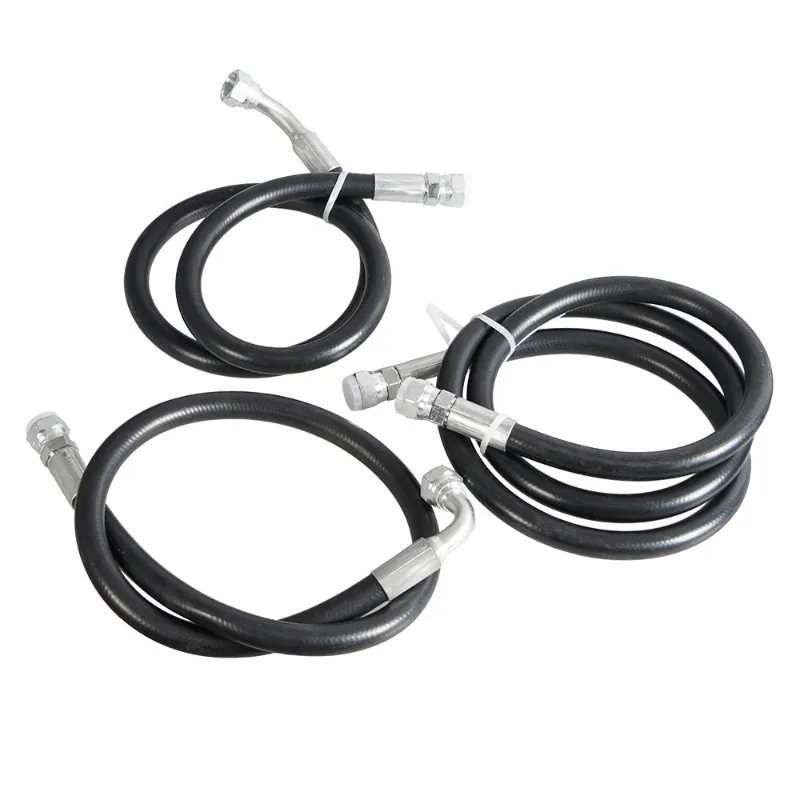
Transmission cooler lines are the right place to start when you see red fluid leaks, slipping after warm-up, or heat-related shifting problems, while turbo intercooler upgrades make more sense for boost, intake-air-temperature, and power-loss symptoms. For GSTP shoppers, the most relevant fix is often the transmission cooler lines product, but we’ll also point out when nearby items like dodge parts, an engine air filter, or an oxygen sensor adapter belong in the diagnostic path. If you are pricing the job or waiting for the best checkout timing, you can grab the GSTP code before ordering.
Transmission Cooler Lines: Symptoms That Point Here
Transmission cooler lines carry hot automatic transmission fluid between the transmission and the cooler, usually routed through the radiator tank or an auxiliary cooler. When they fail, the symptoms usually look mechanical, messy, and temperature-related rather than boost-related.
Look here first if you notice:
- Red or reddish-brown fluid under the front of the vehicle
- Wet fittings near the radiator, cooler, or transmission case
- A burnt-fluid smell after driving
- Delayed engagement when shifting into drive or reverse
- Slipping, flaring, or harsh shifts after the vehicle warms up
- Low fluid level that returns after a top-off but drops again
A good diagnostic habit is to separate leaks from performance complaints. If there is visible fluid loss, fix that first before chasing turbo parts, sensors, or intake upgrades. Automatic transmissions are sensitive to fluid level, pressure, and heat, so a small leak can feel like a much larger internal problem.
For background on the part category, AutoZone’s overview of Transmission Oil Cooler Hoses & Lines is useful because it shows how many vehicle-specific shapes and fittings exist. That matters when deciding between direct-fit and universal options.
Turbo Intercooler Upgrades: Symptoms That Point There
A turbo intercooler upgrade is about air temperature and charge-air efficiency, not transmission fluid control. It helps when the engine is making boost but the intake air is getting too hot, the factory intercooler is heat-soaked, or the vehicle is tuned beyond the stock cooling capacity.
Intercooler-related symptoms usually include:
- Power fading during repeated pulls or towing under boost
- High intake-air-temperature readings on a scan tool
- Detonation risk or timing pull under load
- Boost leaks from cracked tanks, loose clamps, or damaged couplers
- Oil mist around charge pipes on some turbo setups
- Poor recovery after hard acceleration in hot weather
If your vehicle is naturally aspirated, an intercooler upgrade is not part of the fix. In that case, airflow and fueling checks are more relevant. A clogged engine air filter, a tired oxygen sensor, or an exhaust leak can mimic poor power without involving the cooler system at all.
Turbo parts also do not solve a transmission leak. If fluid is on the driveway or the dipstick is low, do not jump to boost hardware just because the vehicle also feels sluggish. Start with the leak, then test-drive again.
Match The Symptom To The Repair
Use this quick comparison before buying parts. It is not a substitute for a full inspection, but it helps avoid replacing the wrong system.
| Symptom | More Likely Repair | Why It Fits |
|---|---|---|
| Red fluid leak near radiator or transmission | Cooler line replacement | Fluid path is leaking under pressure |
| Slipping only after warm-up | Cooler line or fluid issue | Heat and low fluid affect hydraulic pressure |
| Power drops during repeated boost pulls | Intercooler upgrade or boost-leak repair | Intake air temperature rises under load |
| Check engine light with mixture codes | Sensor or intake diagnosis | An oxygen sensor adapter or airflow part may be relevant |
| Vibration under load or clunking | Mount or driveline inspection | An engine mount can mimic harshness |
The key is to avoid diagnosing by feel alone. A transmission that is low on fluid can feel like an engine power issue. A turbo engine with heat soak can feel like a slipping drivetrain. Check fluid condition, scan data, and visible leaks before ordering.
Direct-Fit, Braided, And Universal Options
Most buyers compare direct-fit replacement lines, braided transmission cooler lines, and universal transmission cooler lines. Each has a place, but fitment matters more than style.
| Option | Best For | Watchouts |
|---|---|---|
| Direct-fit replacement | Stock vehicles and straightforward repairs | Match year, engine, transmission, and cooler routing |
| Braided line setup | Custom builds, swaps, or upgraded coolers | Requires correct fittings and safe routing |
| Universal line kit | Emergency repairs or modified layouts | May need cutting, flaring, adapters, and extra clamps |
Direct-fit parts are usually the cleanest choice for daily drivers because they reduce guesswork around bends, clips, and fittings. Braided line can be excellent on modified vehicles, but only when assembled with compatible hose, fittings, and routing away from heat or abrasion.
For GM buyers, transmission cooler lines 4l60e searches are common because that transmission appears across many trucks, SUVs, and swaps. Do not buy by transmission code alone. Confirm the cooler location, radiator fittings, case fittings, and routing path.
If you need diagrams, a transmission cooler lines diagram can help you identify feed and return routing, but the diagram must match your exact configuration. Factory service information, under-vehicle inspection, and the old line shape are better than a generic image.
Clips, Leaks, And Safe Installation Details
The small hardware matters. Transmission cooler lines clips, retaining springs, O-rings, and quick-connect fittings often decide whether the repair stays dry. Reusing damaged clips can turn a good part into a comeback leak.
Before installation, check:
- Fittings for burrs, corrosion, or cracked plastic retainers
- Clips for tension and correct seating
- O-rings or seals for cuts, flattening, or swelling
- Line routing near exhaust, pulleys, steering parts, and sharp brackets
- Mounting points that prevent vibration fatigue
For a transmission cooler lines leaking fix, do not rely on sealant around a damaged quick-connect fitting. The better fix is usually replacing the worn seal, clip, fitting, or line section. After installation, bring the vehicle to operating temperature, shift through the gears, inspect under pressure, and recheck the fluid level using the correct procedure for that vehicle.
If the repair is part of broader maintenance, this is also a smart time to inspect related dodge auto parts on compatible vehicles, especially mounts, hoses, and sensor wiring near the repair area. Small routing mistakes can become large reliability problems.
Cost, Labor, And When To Buy From GSTP
Transmission cooler lines replacement cost depends on vehicle design, corrosion, access, line style, and whether the cooler fittings are reusable. We do not publish guessed prices because parts and labor change by vehicle and market. For a realistic range and signs of failure, this guide on Cost, Time to Fix, and Signs of Line Failure gives helpful context without replacing a shop estimate.
Before buying, gather:
- Year, make, model, engine, and transmission
- Whether the vehicle uses radiator cooler, auxiliary cooler, or both
- Photos of both ends of the existing line
- Notes on clip style, fitting type, and routing
- Any existing modifications, lift kits, swaps, or aftermarket coolers
GSTP is a good stop when you are already building a parts cart. Alongside cooler lines, shoppers often compare practical repair items like an oxygen sensor adapter, tool to take off fan clutch, oil filter cutter, ball joint separato, bora wheel spacers, or an ls6 intake manifold depending on the project. If you are ready to order, check the latest GSTP price and code rather than relying on an old screenshot or expired forum post.
Our Bottom Line
If the vehicle is losing transmission fluid, shifting worse as it warms up, or showing wet fittings, fix the cooler line system before spending money on turbo airflow parts. If the vehicle holds fluid, shifts normally, and only loses power under boost or heat soak, then an intercooler or charge-pipe inspection makes more sense.
Our practical order is simple:
- Inspect for leaks first
- Verify fluid level and condition
- Scan engine and transmission data if symptoms overlap
- Confirm fitment before ordering hard lines, braided assemblies, or universal kits
- Use the GSTP coupon page to get the current offer when you are ready to buy
Frequently asked questions
How do I know if transmission cooler lines are bad?
Visible red fluid, wet fittings near the radiator or transmission, and slipping after warm-up are strong clues. Confirm the leak path and fluid level before replacing unrelated engine or turbo parts.
Can I use universal transmission cooler lines?
Sometimes, but only if the hose, fittings, pressure rating, and routing are correct for the vehicle. For daily drivers, direct-fit lines are usually easier and safer because the bends and connection points are already matched.
Are braided transmission cooler lines better?
They are worth considering for custom builds, swaps, or upgraded cooler setups where routing and fittings are being changed anyway. They are not automatically better for a stock repair if a direct-fit line is available.
What should I inspect before buying a turbo intercooler upgrade?
Check the engine air filter, boost piping, intercooler couplers, sensor data, and exhaust leaks first. If the issue happens only under boost and fluid levels are stable, the transmission cooler circuit is less likely to be the cause.
Is a cooler line the same as a radiator hose?
The line carries transmission fluid and can leak or reduce cooling if damaged. A radiator hose carries engine coolant, so the parts are not interchangeable even though both may route near the radiator.
Can bad transmission cooler lines clips cause leaks?
Yes, if the clip is bent, corroded, missing, or not fully seated. Replace suspect clips or seals during the repair rather than trying to compensate with sealant.