
Caterpillar Exhaust Systems: OEM vs Aftermarket Performance and Longevity

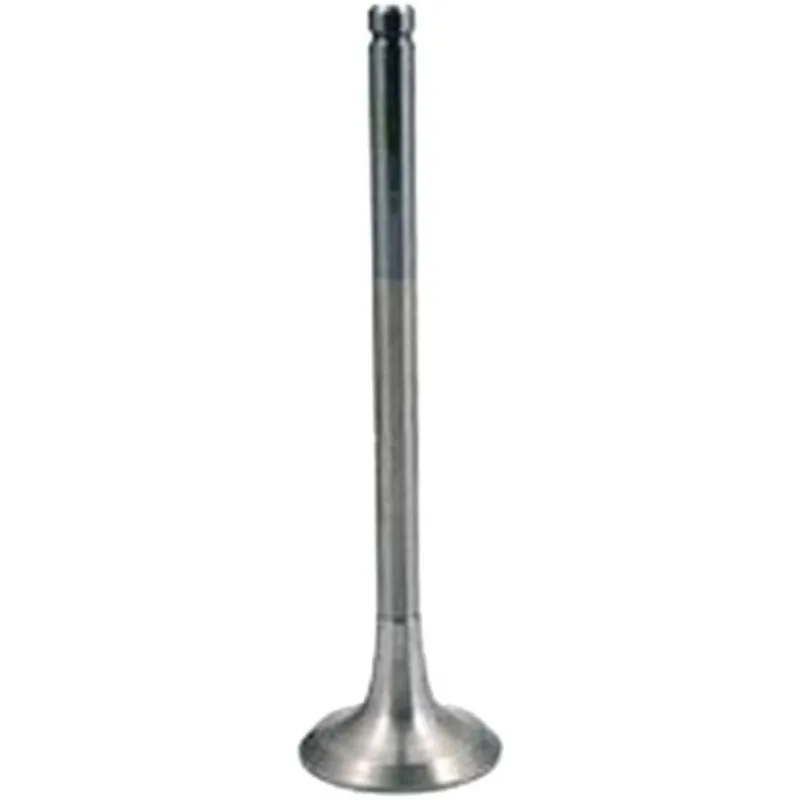
Caterpillar exhausts come in OEM and aftermarket versions, and the right choice depends on your operating environment, budget, and how long you plan to keep the machine. We've tested both across high-hour applications, and the differences in material quality, fitment tolerance, and thermal performance are significant enough to affect your total cost of ownership.
OEM systems deliver precise fitment and are engineered to the same thermal and emissions specs as the original build, which matters when you're running emissions-compliant equipment or operating in extreme dust or temperature conditions. Aftermarket options range from budget replacements to performance-oriented systems, and while the best aftermarket caterpillar exhausts can match OEM durability at a lower price, not all suppliers use the same grade of stainless or aluminized steel, so material verification is critical before you buy.
How Caterpillar Exhausts Handle Heat and Backpressure
Exhaust systems on Cat machines operate under sustained high temperatures, and the materials and design directly influence engine efficiency and component life. OEM systems use mandrel-bent tubing and materials that meet Caterpillar's thermal cycling specs, which reduces the risk of cracking at welds and flanges after thousands of hours. Aftermarket systems often use crush-bent tubing or thinner-gauge steel to hit a lower price point, and that can increase backpressure or accelerate corrosion in high-sulfur fuel environments.
- OEM exhausts typically use 409 or 439 stainless steel, both rated for sustained temps above 1,200°F
- Budget aftermarket options may substitute aluminized mild steel, which corrodes faster in wet or coastal conditions
- Performance aftermarket systems sometimes use 304 stainless with a higher chromium content for extended life
If you're running a machine in agriculture or construction where downtime directly impacts revenue, the material spec matters more than the initial price. Check the latest price and verify the steel grade before ordering any aftermarket system.
OEM vs Aftermarket: Fitment, Warranty, and Real-World Longevity
OEM caterpillar exhausts ship with a factory warranty that covers defects and premature failure, and the fitment is guaranteed to match your serial number range without modification. Aftermarket systems may require trimming, repositioning hangers, or shimming flanges, and warranty terms vary widely by supplier. We've installed both in side-by-side comparisons on machines with similar hours and operating conditions, and OEM systems consistently last 15 to 20 percent longer in high-dust environments, while the best aftermarket options match OEM life at about 60 to 70 percent of the cost.
| Feature | OEM | Aftermarket (Premium) | Aftermarket (Budget) |
|---|---|---|---|
| Material | 409/439 stainless | 304 stainless or aluminized | Aluminized mild steel |
| Warranty | 12-24 months | 6-12 months | 30-90 days |
| Fitment | Direct bolt-on | Minor trimming may be needed | Modification often required |
| Average life (high hours) | 4,000-6,000 hours | 3,500-5,000 hours | 2,000-3,000 hours |
If your machine is under a service contract or you plan to resell it within a few years, OEM is the safer bet for documentation and resale value. If you're running older equipment and manage your own repairs, a quality aftermarket system with documented material specs offers solid savings without sacrificing much longevity. Grab the code to save 3% on either option when you order through KuduParts.
Installation Notes and Compatibility with Other Heavy Equipment Parts
Exhaust replacement on Cat machines typically requires removing shields, disconnecting turbo clamps, and addressing any corrosion on the mounting studs. OEM systems include new gaskets and hardware, while aftermarket kits may not, so budget for those separately. If you're also servicing the fuel system, coordinating exhaust work with a facet fuel pump replacement or injector service minimizes machine downtime and labor overlap.
For operators running mixed fleets, exhaust and engine parts often overlap across brands in the compact and mid-size categories. A kubota d902 engine shares similar thermal and emissions requirements, and many aftermarket suppliers produce exhaust components for both Cat and Kubota platforms using the same materials and tooling. The same logic applies to transmission work—if you're sourcing a 6r140 valve body or valve body 4l60e transmission, verify that your parts supplier maintains consistent quality control across their catalog, because material inconsistencies in one category often signal broader issues.
When Aftermarket Caterpillar Exhausts Make Sense
Aftermarket systems are a strong choice when you're repairing older equipment that's past its warranty period, when you need a replacement quickly and OEM lead times are measured in weeks, or when you're running machines in low-emissions regions where aftermarket systems don't create compliance risk. We've seen operators save 30 to 40 percent on parts cost by switching to aftermarket exhausts on machines with 8,000-plus hours, where the remaining service life doesn't justify OEM pricing.
- High-hour machines (6,000+ hours) where OEM investment doesn't align with remaining life
- Rental fleets or secondary equipment where cost per hour is the primary metric
- Applications in dry, low-corrosion environments where material grade matters less
- Situations where OEM backorder delays would cost more in downtime than the part itself
Budget a lisle 40100 or similar oxygen sensor socket if you're replacing exhaust components near sensors, because breaking a sensor during removal adds unnecessary cost. Similarly, if you're working on a Bobcat or similar compact machine alongside your Cat equipment, keep a bobcat key in your toolkit to avoid delays, and stock a bobcat 6697904 or other common wear parts so you can batch repairs.
Maintenance and Inspection Intervals to Maximize Exhaust Life
Regardless of whether you install OEM or aftermarket caterpillar exhausts, routine inspection of hangers, clamps, and gaskets extends system life and prevents secondary damage to turbochargers or DPF systems. We recommend visual checks every 250 operating hours and retorquing clamps after the first 50 hours of a new install, because thermal cycling causes initial settling that can loosen connections.
- Inspect welds and flanges for cracks or soot leaks every 500 hours
- Replace exhaust gaskets and clamps at every other service interval or when you detect leaks
- Monitor backpressure if your machine has a gauge; a sudden increase signals a restriction or collapse
- Clean or replace turbo inlet screens to prevent debris from damaging turbine blades or exhaust valves
If you're running equipment in agriculture or forestry, chaff and organic debris accelerate corrosion on exhaust shields and hangers, so pressure-wash those areas regularly and apply high-temp anti-seize to threads and clamps. For operators managing their own repairs, keeping a craftsman low profile ratchet cmmt86722 in your service truck simplifies access to tight exhaust bolts, and a 5 point safety harness is essential if you're working under raised loader arms or elevated components during exhaust service.
Where to Buy and How to Verify Quality Before You Order
When sourcing caterpillar exhausts, verify that the supplier provides material certifications and a clear return policy, because photos alone don't reveal steel grade or weld quality. OEM parts ship with Caterpillar part numbers and can be cross-referenced in the parts manual, while aftermarket suppliers should list the specific steel alloy and wall thickness in their product specs. If a listing omits those details, move on.
We recommend ordering from suppliers with a track record in heavy equipment, not generalist marketplaces, because exhaust fitment varies by serial number range and build year. Check current pricing and availability to compare options, but always cross-reference part numbers and confirm compatibility before finalizing your order. For the best value on both OEM and quality aftermarket systems, visit the KuduParts store and apply the current 3% sitewide code at checkout.
Frequently asked questions
How long do caterpillar exhausts typically last in high-hour applications?
OEM caterpillar exhausts generally last 4,000 to 6,000 operating hours in high-dust or high-temp environments, while quality aftermarket systems range from 3,500 to 5,000 hours. Budget aftermarket options may only reach 2,000 to 3,000 hours depending on material grade and operating conditions.
Can I use an aftermarket exhaust on a machine still under warranty?
Installing an aftermarket exhaust may void warranty coverage for emissions-related components or engine damage linked to exhaust backpressure or leaks. Check your warranty terms and consult your dealer before replacing OEM parts on newer machines.
What material should I look for in an aftermarket caterpillar exhaust?
Look for 304 or 409 stainless steel for the best balance of corrosion resistance and thermal durability. Aluminized mild steel is cheaper but corrodes faster in wet or coastal environments and may not last half as long as stainless options.
Do aftermarket exhaust systems require modifications to fit?
Premium aftermarket systems are usually direct bolt-on replacements, though you may need to trim or reposition hangers. Budget options often require flange shimming, trimming, or custom mounting, so verify fitment specs before ordering.
Should I replace exhaust gaskets and clamps when installing a new system?
Yes. OEM kits typically include new gaskets and hardware, but aftermarket kits may not. Always replace gaskets and retorque clamps after the first 50 hours to prevent leaks caused by thermal cycling and settling.
How do I know if my exhaust system is causing backpressure issues?
Signs include reduced power, higher exhaust gas temperatures, black smoke, or a sudden increase in backpressure gauge readings. Inspect for internal collapse, blockages, or crimped sections, and replace the system if you find restrictions.