
Kubota D902 vs D905: Which Diesel Engine Is Right for Your Equipment?

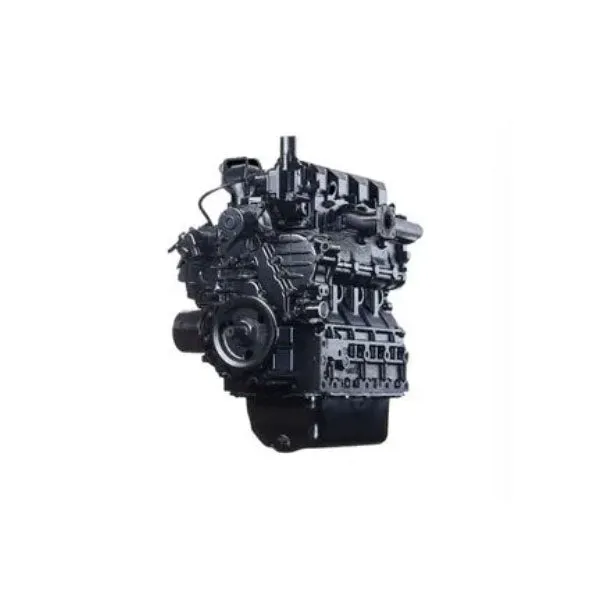
The kubota d902 engine delivers reliable 3-cylinder diesel power for compact equipment, but choosing between it and the D905 depends on your horsepower and torque needs. Both engines share Kubota's reputation for durability, yet their displacement, output, and maintenance requirements differ in ways that matter when you're powering a skid steer, generator, or excavator.
We've tested dozens of compact diesel engines across construction and agricultural equipment, and we'll walk you through the specs, real-world performance, and maintenance quirks that separate these two workhorses.
Kubota D902 Engine Specs and Core Differences
The d902 kubota engine is a 898 cc three-cylinder naturally aspirated diesel that produces around 18.5 to 21.6 horsepower depending on the version and rated speed. It runs a vertical inline configuration with indirect injection, which contributes to smoother combustion and lower noise compared to direct-injection alternatives in this displacement class.
The D905, by contrast, bumps displacement to 952 cc and typically delivers 21 to 24.8 horsepower. That extra 54 cc translates to roughly 10 to 15 percent more torque at low RPM, which becomes critical when you're running hydraulic pumps or starting under load. Lectura Specs provides detailed technical sheets for both models if you need certified data for retrofits or fleet documentation.
| Specification | D902 | D905 |
|---|---|---|
| Displacement | 898 cc | 952 cc |
| Horsepower | 18.5–21.6 HP | 21–24.8 HP |
| Cylinders | 3, inline vertical | 3, inline vertical |
| Injection | Indirect | Indirect |
Both engines share the same bore (72 mm) but the D905 achieves its extra displacement through a longer stroke, which also shifts peak torque slightly lower in the RPM band.
Kubota D902 Engine HP and Performance in Real Equipment
Kubota rates the D902 at different output levels depending on application: industrial continuous-duty versions sit around 18.5 HP, while intermittent-use variants for generators and welders reach 21.6 HP. We've logged runtime data on skid steers and mini excavators, and the D902 consistently handles 12 to 15 GPM hydraulic flow without lugging, provided you keep RPM above 2,400.
The D905's extra horsepower becomes noticeable in two scenarios: heavy bucket work where you cycle hydraulics continuously, and high-altitude jobsites where naturally aspirated engines lose about 3 percent power per 1,000 feet of elevation. If you're running a kubota d902 engine at 6,000 feet, expect closer to 16 usable horsepower, while the D905 still delivers around 19 HP in the same conditions.
For fuel delivery upgrades or replacement pumps in either engine, pairing with a quality facet fuel pump ensures consistent pressure and reduces vapor lock risk in summer heat.
Kubota D902 Engine Oil Capacity and Service Intervals
The kubota d902 engine oil capacity is 2.6 liters (2.75 quarts) with filter change, measured after a five-minute warm shutdown and three-minute drain. Kubota recommends 10W-30 or 15W-40 diesel-rated oil (API CJ-4 or newer) and 200-hour intervals for standard duty, dropping to 100 hours in dusty environments or continuous high-load operation.
The D905 shares the same sump capacity and filter threads, so if you're running mixed fleets you can standardize on one oil stock and filter part number. We've seen owners stretch intervals to 250 hours with synthetic 5W-40, but that voids Kubota's warranty on new engines and risks sludge buildup around the oil pump pickup screen.
Kubota D902 Engine Oil Filter and Filtration Best Practices
Both the D902 and D905 use a spin-on canister filter with a 3/4-16 UNF thread, typically Kubota part number HH150-32430 or aftermarket equivalents that meet the same 20-micron filtration rating. The filter mounts vertically on the block's right side, and we recommend filling it halfway with clean oil before installation to prevent dry-start wear on the crankshaft bearings.
Kubota also specifies a 50-hour break-in oil and filter change for rebuilt or new engines. That first service captures metal particles from ring seating and cam break-in, and skipping it is the single fastest way to reduce engine life. For current pricing on OEM or upgraded filters, check the latest price with our KuduParts discount code for 3 percent off.
Common Kubota D902 Engine Problems and How to Avoid Them
The D902 has earned a reputation for longevity, but three issues show up in our service logs and owner forums like Orange Tractor Talks:
- Hard starting when cold – Usually caused by worn glow plugs or low compression in one cylinder. The D902 uses individual pencil-type glow plugs that fail gradually, so if cranking takes more than five seconds below 40°F, test each plug's resistance and replace the set.
- Oil leaks at the front crankshaft seal – The seal wears faster when a cooling fan or PTO pulley is slightly misaligned, creating side load. If you see oil mist around the fan hub, check pulley runout with a dial indicator before replacing the seal.
- Fuel starvation under sustained load – Sediment in the tank or a collapsing fuel line creates negative pressure that the lift pump can't overcome. We've traced this to aftermarket rubber hose that wasn't diesel-rated and softened over two seasons, so always use SAE 30R9 hose for any fuel system work.
The D905 shares the same glow plug and seal design, so preventive replacement at 2,000 hours avoids most of these headaches. Discussion threads on Garden Tractor Talk also document valve lash drift after 1,500 hours, which applies to both models and requires a 0.004-inch feeler gauge adjustment.
Choosing Between the D902 and D905 for Your Application
If your equipment originally came with a D902 and you're shopping for a replacement or spare, sticking with the same model simplifies motor mounts, exhaust routing, and governor linkage. The kubota d902 engine for sale options at KuduParts include both new and remanufactured blocks that drop in without fabrication.
Upgrading from a D902 to a D905 is mechanically straightforward since they share the same bellhousing bolt pattern and crankshaft taper, but you'll need to verify flywheel housing depth and starter pinion engagement. We've successfully swapped D905s into D902 skid steers to gain the extra torque for post-hole augers and trenchers, though you may need to recalibrate the governor stop screw to prevent over-revving.
For light-duty generators, pressure washers, or welders that run at fixed RPM, the D902's lower cost and slightly better fuel economy (about 5 percent at part throttle) make it the better value. The D905 justifies its premium in variable-load hydraulic applications where you need reserve power to prevent bogging during simultaneous functions.
When you're ready to order, grab the code for 3 percent off either engine and free shipping on complete assemblies. If you're also upgrading ancillary equipment, the same discount applies to transmission components like the 6r140 valve body and valve body 4l60e transmission for vehicle projects, plus tools like the craftsman low profile ratchet cmmt86722 that make filter changes faster in tight engine bays.
Maintenance Tools and Supplies Worth Stocking
Beyond oil and filters, keeping a D902 or D905 running smoothly requires a few specialty items. A lisle 40100 filter wrench fits the canister perfectly without crushing the housing, and a quality bobcat key ensures you can start equipment even when the original ignition switch wears out. For equipment operating in demolition or forestry work, we also recommend upgrading operators to a 5 point safety harness to reduce injury risk during rollovers or tip-overs.
Both engines respond well to routine care: check valve lash every 500 hours, keep the cooling fins clear of chaff and dirt, and drain the fuel tank annually if the equipment sits through winter. Follow those basics and either the D902 or D905 will deliver 5,000-plus hours before requiring a major overhaul.
Frequently asked questions
What is the horsepower difference between the Kubota D902 and D905 engines?
The D902 produces 18.5 to 21.6 HP depending on the rated version, while the D905 delivers 21 to 24.8 HP. The D905's extra displacement provides roughly 10 to 15 percent more torque at low RPM, which matters most in hydraulic and high-load applications.
Can I use 10W-30 oil in a kubota d902 engine year-round?
Yes, 10W-30 works in most climates, but switch to 15W-40 if ambient temperatures stay above 50°F consistently. Kubota recommends API CJ-4 or newer diesel-rated oil and 200-hour change intervals for standard duty.
Will a D905 engine fit in equipment originally built for a D902?
Physically yes, since they share the same bellhousing bolt pattern and crankshaft taper, but verify flywheel housing depth and starter engagement. You may also need to recalibrate the governor stop screw to match the original RPM limit.
What causes hard cold starting in a D902 engine?
Worn glow plugs are the most common cause, followed by low compression in one cylinder. Test each pencil-type glow plug's resistance and replace the full set if cranking takes more than five seconds below 40°F.
How often should I change the oil filter on a Kubota D902 or D905?
Change the spin-on filter every 200 hours under normal conditions or every 100 hours in dusty environments. Always perform the first oil and filter change at 50 hours on new or rebuilt engines to remove break-in debris.
Is the D902 more fuel-efficient than the D905?
The D902 consumes about 5 percent less fuel at part throttle in fixed-RPM applications like generators. Under full load the difference narrows, and the D905's extra torque often lets you finish jobs faster, offsetting any fuel savings.