
Can You Use Pinking Shears on Leather and Heavy Fabrics?

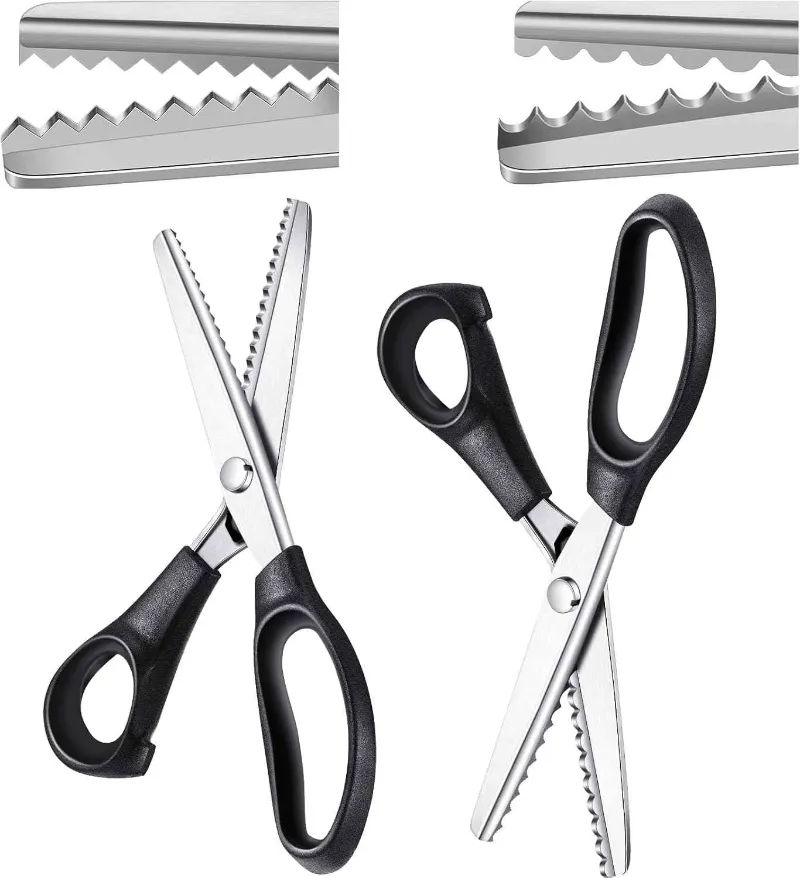
Can You Use Pinking Shears on Leather and Heavy Fabrics?
Pinking shears can cut lightweight leather and many heavy fabrics, but only if the blades are sharp, high-quality steel and the material is no thicker than about 2 mm. The zigzag teeth that make pinking shears so useful for preventing fabric fraying also create more resistance than straight blades, so you need to match the tool to the material carefully.
We tested different weights of leather, denim, canvas, and upholstery fabric to see where pinking shears work well and where they struggle. Here's what you need to know before cutting heavy materials.
What Makes Pinking Shears Different From Regular Fabric Scissors
Pinking shears feature sawtooth blades that cut a zigzag edge instead of a straight line. That serrated pattern reduces fraying on woven fabrics by cutting threads at angles rather than straight across the grain.
The trade-off is cutting power. Because each tooth must shear through the material individually, pinking shears require more hand strength than straight scissors of the same blade length. The thicker or denser your fabric, the more that resistance compounds.
Key differences that affect heavy materials:
- Blade angle creates multiple cut points instead of one continuous shear
- Wider jaw opening means less leverage on thick layers
- Serrated edges dull faster on abrasive materials like leather or synthetic canvas
- Most models are designed for quilting cotton, not upholstery weight
If you're working on a scrapbook kit or other paper crafts, standard pinking shears handle decorative cuts beautifully. For leather and heavy textiles, you need industrial-grade blades.
Best Heavy Fabrics for Pinking Shears
We've found pinking shears work reliably on these heavier materials when blades are sharp:
| Fabric Type | Thickness Limit | Notes |
|---|---|---|
| Denim | Up to 12 oz | Cut single layers; avoid doubled seams |
| Canvas | Medium weight | Duck canvas works; heavy boat canvas may dull blades |
| Felt | Up to 3 mm | Natural wool felt cuts cleanly; synthetic can snag |
| Lightweight leather | 1.5–2 mm | Garment leather only; vegetable-tanned cuts easier than chrome |
Heavy cotton twill, linen, and most apparel fabrics under 10 oz per yard cut without issue. When you move into upholstery territory (14+ oz denim, heavyweight canvas, or vinyl-backed fabrics), even the best pinking shears struggle.
For current pricing on quality fabric shears that handle these materials, check the latest deals before you buy.
Cutting Leather With Pinking Shears: What Works and What Doesn't
Leather is where most sewers hit limits. We tested garment-weight lambskin, chrome-tanned cowhide, and vegetable-tanned tooling leather.
Lightweight garment leather (1–1.5 mm) cuts cleanly if you use sharp, professional-grade pinking shears. The trick is cutting with the grain and using the full length of the blade in one smooth motion. Short, choppy cuts create ragged edges.
Medium-weight leather (2–3 mm) requires significant hand strength and often leaves compressed, uneven teeth marks. The effort usually isn't worth it. A rotary cutter or leather shears give better results.
Tooling leather and thick upholstery hides will damage standard pinking shears. The dense fibers dull blades quickly and can even bend the teeth out of alignment.
If you're personalizing leather goods alongside stationery projects like TTpen businesskarte for your maker business, invest in dedicated leather tools rather than forcing pinking shears beyond their design.
Technique Tips for Cutting Heavy Materials
Even with appropriate fabrics, technique makes the difference between clean cuts and frustration.
Prep your workspace:
- Cut on a firm surface, never mid-air or on your lap
- Secure fabric with pattern weights or tape so it doesn't shift
- Mark your cut line with tailor's chalk; the zigzag makes it harder to follow curves freehand
Cutting motion:
- Open the blades fully before each cut
- Position fabric deep in the jaw, near the screw pivot
- Close in one smooth stroke using your whole hand, not just fingers
- Let the blades do the work; forcing creates jagged edges
Maintenance:
- Wipe blades after cutting leather to remove oils and residue
- Sharpen or replace blades as soon as you feel resistance increase
- Never cut paper, cardboard, or anything with adhesive (save scotch magic tape projects for straight scissors)
Brands like Fiskars make pinking shears designed for general sewing that hold up better than budget models. When shopping, look for forged steel blades rather than stamped metal.
When to Choose a Different Tool
Sometimes pinking shears aren't the right answer, even if they *can* technically cut the material.
Use a rotary cutter and pinking blade for:
- Long straight cuts through multiple heavy layers
- Quilting projects with thick batting
- Cutting against a ruler for precision
Use leather shears or a utility knife for:
- Leather over 2 mm thick
- Vinyl, faux leather, or coated fabrics
- Any material where you need perfectly straight edges
Use standard fabric shears when:
- The zigzag edge serves no functional purpose
- You're cutting curves or tight corners in heavy fabric
- Your pinking shears feel dull (dull blades crush fibers instead of cutting)
Remember that pinking is primarily an anti-fray finish for woven textiles. Leather and felt don't fray, so the decorative edge is the only benefit. If aesthetics aren't critical, save your pinking shears for the fabrics they handle best.
Finding Quality Pinking Shears for Your Projects
Not all pinking shears are created equal. Blade metallurgy, screw tension, and handle ergonomics separate tools that last from ones that frustrate.
We recommend testing in-store if possible, especially if you plan to cut heavier materials regularly. Grip the handles fully closed and check for smooth action without gaps between the blades. Budget models often have loose tolerances that create ragged cuts.
For sewers working across different media—maybe you're stitching leather case for pencils one day and hemming cotton the next—a mid-range pair from an established sewing brand offers the best balance of cutting power and longevity.
Grab the current discount code to save on fabric tools and craft supplies, then choose based on your most common projects. If 80% of your cutting is quilting cotton, don't overspend on industrial capacity you won't use.
Pinking shears shine brightest on lightweight to medium fabrics where their anti-fray edge saves finishing time. Push them into leather and heavy canvas only when the material is thin enough to cut without forcing, and your blades are sharp enough to slice rather than crush. Know those limits, and your pinking shears will stay useful for years.
Frequently asked questions
Can pinking shears cut through thick leather?
Pinking shears can cut garment-weight leather up to about 2 mm thick, but anything heavier will dull the blades quickly and produce uneven edges. For tooling leather or upholstery hides, use dedicated leather shears or a rotary knife instead.
Do I need special pinking shears for denim?
Standard quality pinking shears handle denim up to 12 oz weight as long as the blades are sharp. Cut single layers rather than doubled fabric, and use the full blade length in smooth strokes for clean edges.
Why do my pinking shears leave jagged edges on heavy fabric?
Jagged cuts usually mean dull blades or improper technique. Sharpen or replace the blades, cut with long smooth strokes instead of short chops, and position fabric deep in the jaw near the pivot screw for maximum cutting power.
Can I use pinking shears on felt and canvas?
Yes, pinking shears work well on felt up to 3 mm thick and medium-weight canvas. Natural fibers cut more cleanly than synthetics. Avoid heavyweight boat canvas or duck canvas over 12 oz, which can bend the blade teeth.
How do I keep pinking shears sharp when cutting leather?
Wipe the blades clean after each use to remove leather oils and residue, never cut materials with adhesive, and have them professionally sharpened when you first notice increased resistance. Reserve one pair exclusively for fabric if you cut leather often.
What's the difference between cheap and professional pinking shears?
Professional models use forged steel blades with tight tolerances that stay sharp longer and cut smoothly through heavier materials. Budget pinking shears often have stamped blades with loose screw tension that create gaps and ragged edges, especially on thick fabrics.