
What to Look for in a Quality Pencil Case for Students and Artists

What to Look for in a Quality Pencil Case for Students and Artists
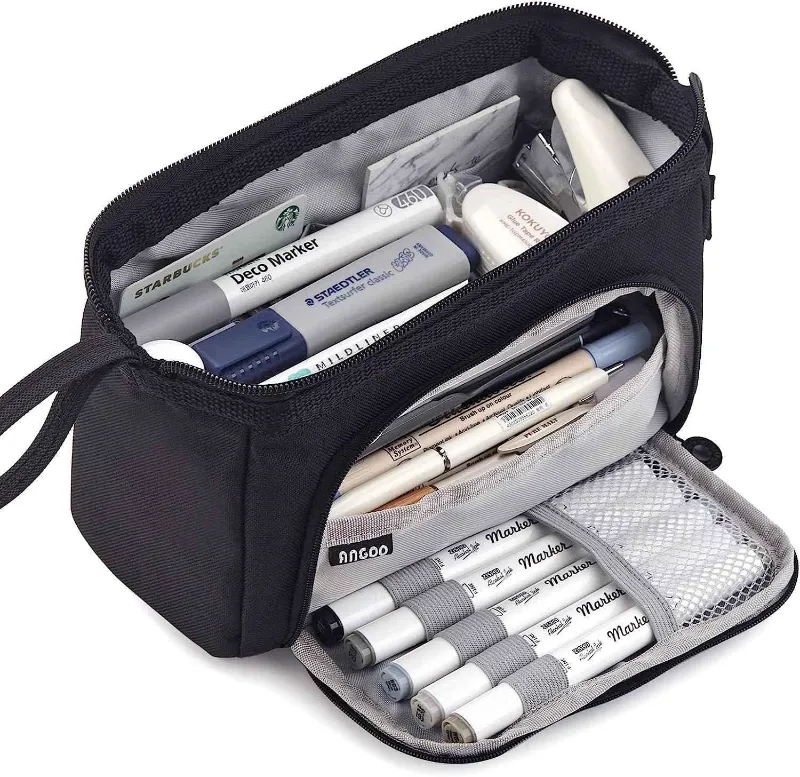
A quality case for pencils keeps your writing and drawing tools protected, organized, and easy to access whether you're in class or working on detailed artwork. The right pencil case balances capacity, portability, and durability to match how you actually use your supplies. We've tested dozens of pencil cases across price points and styles to show you what features matter most when shopping for students, artists, or anyone who needs their tools ready to go.
Size and Capacity That Match Your Tools
The ideal pencil case size depends entirely on what you're carrying. Students who need a few pens, a kuru toga pencil, an eraser, and maybe a highlighter can get by with a slim zippered pouch that slips into a backpack side pocket. Artists working with colored pencils, brush pens, and fountain pens like the pilot kakuno fountain pen or twsbi eco need significantly more room and protection.
Standard pencil case sizes:
- Slim cases (7-8 inches): hold 10-15 pens or pencils in a single layer, ideal for everyday school use
- Medium cases (8-10 inches): accommodate 20-30 tools with some compartments for erasers and scotch magic tape
- Large roll-ups or boxes (10+ inches): store 50+ pencils, markers, or specialty tools flat with individual slots
Before you buy, count your actual supplies. If you rotate between gel pens like the shark retractable gel pen and traditional writing tools, add 20% extra capacity so you're not forcing zippers closed. Check the latest price on our tested models to find the size that fits your kit.
Material Durability and Protection
Pencil case materials directly affect how well your tools survive daily transport. We've seen cheap polyester cases split at the seams after a semester, while well-constructed options last years.
Canvas and cotton cases offer a classic aesthetic pencil case look and wash easily, but they provide minimal padding. These work well for standard wooden pencils and ballpoint pens that can handle minor impacts. The texture also prevents cases from sliding around in bags.
Hard-shell cases made from EVA foam or molded plastic shield delicate nibs on fountain pens and prevent nail art markers from being crushed. Artists who invest in quality tools should prioritize rigid protection, especially when traveling. The tradeoff is slightly more weight and bulk.
Neoprene and padded nylon split the difference with flexible cushioning that absorbs shock without the stiffness of hard cases. We recommend this middle-ground option for students carrying a mix of everyday and specialty pens. Major office retailers like Office Depot and Staples stock pencil cases in all these materials so you can feel the difference in person.
Pencil Case Organizer Features That Actually Help
A pencil case organizer system prevents the frustrating tangle of tools at the bottom of a pouch. The best organizational features depend on whether you need quick access or careful storage.
Elastic loops hold individual pencils, pens, or brushes in place so you can see every tool at a glance when you unroll or open the case. Artists appreciate being able to arrange supplies by color or type. The downside is that loading and unloading takes longer than tossing everything into a zip pouch.
Internal pockets and dividers create zones for different tool categories without the rigidity of individual loops. We like cases with at least one zippered internal pocket for small items like erasers, sharpener blades, or a fidget pen that might otherwise migrate to the bottom.
Expandable gussets let a case grow when you add supplies but compress flat when you're carrying a lighter load. This flexibility works especially well for students whose needs shift between note-taking classes and art studio sessions.
Avoid cases with too many compartments unless you genuinely need that level of separation. Overly complex organizers often leave sections empty while others overflow.
Closure Systems and Access Speed
How quickly you can access your tools matters more than most shoppers realize. Pop quizzes, quick sketches, and note-taking all benefit from a pencil case that opens fast and stays open while you work.
Zipper closures are the most secure for transport but require two hands and a few seconds to open fully. Look for quality YKK or similar branded zippers that glide smoothly rather than snag. Double zippers let you open just one end for quick pen grabs without exposing the entire case.
Magnetic or snap closures offer one-handed access and work well for desk-based use where you're not constantly jamming the case into a backpack. The tradeage is slightly less security if the case tips over in transit.
Roll-up ties on artist cases keep everything visible and accessible on a desktop but take up more surface area than a closed box. These suit studio work better than classroom desks with limited space.
We find that students benefit most from dual-zipper cases they can partially open during class, while artists working at a dedicated space prefer the full visibility of roll-ups or clamshell openings. Grab the code for 10% off sitewide when you're ready to upgrade.
Aesthetic and Practical Design Balance
Pencil cases for school occupy a sweet spot between personal expression and pure function. Students want cases that reflect their style, but those cases still need to survive being shoved into lockers and dropped on cafeteria floors.
Popular aesthetic pencil case styles include minimalist solid colors, transparent mesh that shows off colorful pen collections, and printed designs ranging from geometric patterns to illustrations. Aesthetic pencil case Amazon searches explode every back-to-school season, but we recommend prioritizing construction quality over looks alone.
Transparent cases help you spot the exact pen you need without opening anything, which speeds up workflow during timed exams or fast-paced sketching. The downside is that worn erasers and broken pencil tips are always visible, making the case look messier faster.
Practical design details that matter:
- External ID pocket or label area so cases don't get mixed up in shared spaces
- Textured or grippy exterior that doesn't slip off angled desks
- Water-resistant coating if you're carrying ink pens or working outdoors
- Flat base that lets the case stand upright on a desk
A well-designed case combines visual appeal with features that actually improve your daily routine rather than just looking good in product photos.
Matching Cases to Student vs. Artist Needs
Students and artists have overlapping but distinct pencil case requirements. Students need cases optimized for portability, speed, and surviving chaotic school environments. A slim case loaded with everyday tools like the kuru toga pencil and a few shark retractable gel pens fits into crowded backpacks and opens quickly between classes.
Artists benefit from larger capacity, better protection for expensive tools, and organization systems that keep supplies sorted by medium or color. A case that holds fountain pens like the pilot kakuno fountain pen alongside graphite pencils and specialty markers requires individual slots or padding to prevent ink leaks and nib damage.
| Feature | Student Priority | Artist Priority |
|---|---|---|
| Size | Slim, portable | Expandable, high-capacity |
| Material | Durable fabric | Padded or hard-shell |
| Organization | Simple pockets | Individual loops or trays |
| Access | Quick zippers | Full visibility |
Some cases bridge both worlds effectively. Look for modular designs where you can add or remove internal organizers, or consider owning two cases: a compact daily carrier and a larger studio case for your full collection.
Before you commit, think about where you'll actually use the case most. Desk-based artists can prioritize organization over portability, while students rushing between classes need cases that open, close, and pack away in seconds. Visit Staples Advantage to compare bulk options if you're shopping for classrooms or studios.
Final Recommendations
The best case for pencils balances your specific tools, transport needs, and budget. Students should prioritize durable zippers and enough capacity for daily supplies without excess bulk. Artists benefit from investing in protective cases with smart organizer features that keep expensive tools separated and accessible. Test the case physically if possible—feel the zipper quality, check how the case sits when full, and imagine using it in your actual workspace or backpack. A case for pencils that matches how you work will last for years and keep your supplies ready when inspiration or deadlines strike.
Frequently asked questions
What size pencil case do I need for school?
Most students need a case that holds 15-30 pens and pencils comfortably, typically 8-10 inches long with at least one internal pocket for erasers and small supplies. Measure your current collection and add 20% extra space so the case isn't overstuffed.
Can hard-shell cases protect fountain pens during travel?
Yes, hard-shell EVA or molded plastic cases provide the best protection for fountain pen nibs and prevent ink leaks from pressure. Look for cases with individual elastic loops that keep pens from colliding with each other inside the case.
Are aesthetic pencil cases durable enough for daily use?
Aesthetic designs can be durable if the case uses quality materials like reinforced nylon or canvas with branded zippers. Check construction details like stitching and zipper brand rather than judging durability by appearance alone.
How do I organize a large pencil case for art supplies?
Use elastic loops or dividers to group supplies by type or color, keeping frequently used tools in the most accessible spots. Reserve zippered pockets for small items like erasers and sharpeners that otherwise get lost at the bottom.
What material works best for a pencil case organizer?
Canvas and cotton offer easy cleaning and a classic look for everyday use, while padded nylon or hard-shell cases protect delicate or expensive tools better. Choose based on what you're carrying—basic pens need less protection than fountain pens or brush markers.
Do I need separate cases for pencils and pens?
You only need separate cases if you carry enough supplies to overflow one case or if you want to prevent ink pens from staining other tools. Most students and artists manage fine with one well-organized case that has internal dividers.