
Kuru Toga vs Pilot Kakuno: Which Is Better for Daily Writing?

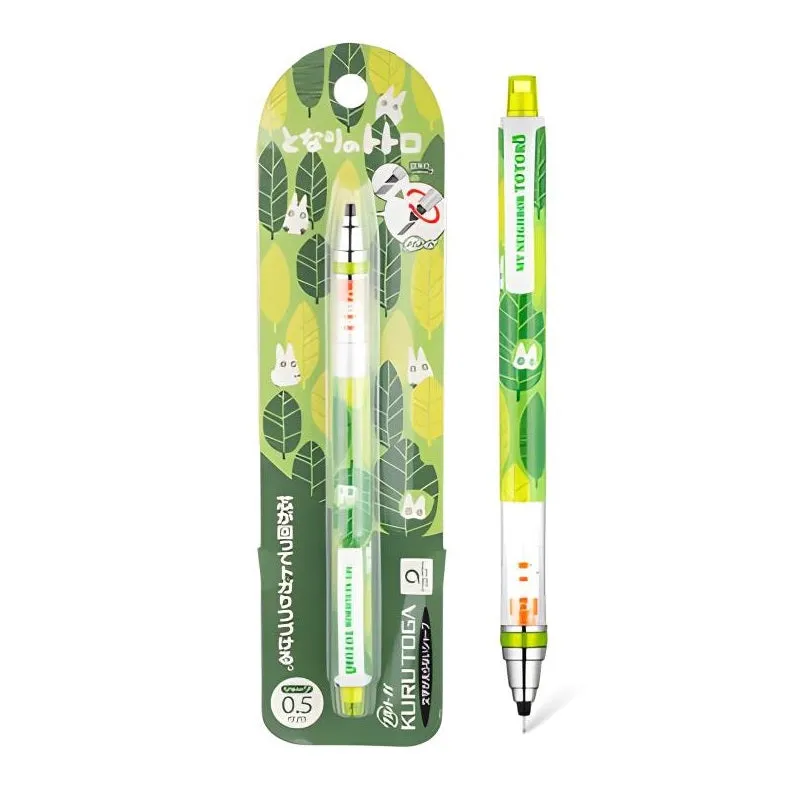
The pilot kakuno fountain pen and kuru toga pencil serve different needs: one delivers classic fountain pen writing with smooth ink flow, the other offers mechanical pencil precision with rotating lead technology. Both earn praise for daily writing, but your choice depends on whether you prioritize permanence, style, and ink character or erasability, consistency, and technical work.
We tested both tools across note-taking, journaling, sketching, and long writing sessions to help you decide which fits your workflow.
What Makes the Pilot Kakuno Fountain Pen Stand Out
The pilot kakuno fountain pen is a beginner-friendly option designed to remove the intimidation factor from fountain pens. Its polycarbonate body keeps the price accessible while the ergonomic triangular grip guides your fingers into the correct position. The nib features a smiling face on the underside, a subtle reminder of proper orientation for new users.
We found the Kakuno writes smoothly across budget and mid-range paper with minimal feathering. The Pilot Kakuno has earned recognition as an excellent gateway to fountain pen writing, especially for those transitioning from ballpoint or gel pens like the shark retractable gel pen.
Key features:
- Available in extra fine, fine, and medium nib sizes
- Uses standard Pilot cartridges or a CON-40 converter for bottled ink
- Lightweight snap cap for quick access
- Multiple barrel colors including translucent, white, and limited editions like the Madoromi and Panda designs
- Replaceable nibs for easy maintenance
The pilot kakuno fountain pen refill system accepts Pilot's proprietary cartridges, widely available at stationery shops. For those who prefer bottled ink, the optional converter opens up thousands of ink colors.
How the Kuru Toga Pencil's Rotation Mechanism Works
The Kuru Toga pencil uses a patented gear mechanism that rotates the lead incrementally with each stroke. Traditional mechanical pencils develop a chisel edge as you write, creating inconsistent line width. The Kuru Toga keeps the lead conical, delivering a uniform line that looks cleaner in technical drawings, math work, and dense note-taking.
During testing, we noticed the rotation makes the biggest difference during extended writing sessions. The lead stays sharp without manual rotation, which matters when you're deep in a lecture or sketching session and don't want to interrupt your flow.
Kuru Toga advantages:
- Consistent 0.3 mm, 0.5 mm, or 0.7 mm line width throughout use
- Reduces lead breakage by distributing wear evenly
- Available in standard, Advance, and Alpha Gel models with varying rotation speeds
- Comfortable knurled metal or cushioned grips depending on model
- Works with standard HB, B, and 2B lead refills
The pencil ships with a built-in eraser and clip, making it practical for students and professionals who need portability. Pair it with a quality case for pencils to protect the mechanism during transport.
Writing Experience: Ink Flow vs Lead Precision
Fountain pens and mechanical pencils create fundamentally different marks. The Kakuno lays down wet ink that dries with subtle shading and character, especially visible with gray or blue-black inks. Line variation comes from nib width and writing pressure, though the Kakuno's steel nib offers minimal flex.
The Kuru Toga produces dry, erasable graphite lines with zero variation unless you switch lead grades. It excels at technical work, margin notes, and any situation where you might need to correct mistakes. For creative work that benefits from erasability before inking, the Kuru Toga pairs well with permanent tools like the feather pen and quill for final drafts.
| Feature | Pilot Kakuno | Kuru Toga |
|---|---|---|
| Line character | Wet ink with shading | Dry graphite, uniform |
| Erasability | Permanent | Fully erasable |
| Refill cost | Cartridges or bottled ink | Lead refills (very cheap) |
| Maintenance | Periodic cleaning | Minimal |
We found the Kakuno requires more care. Ink can dry in the nib if left uncapped for days, and certain paper types cause feathering. The Kuru Toga works on any paper without bleed-through, making it more forgiving for everyday carry.
Which Tool Suits Your Daily Writing Style
Choose the pilot kakuno fountain pen if you value writing as an experience. Fountain pens slow you down slightly, encouraging deliberate penmanship. The Kakuno works beautifully for journaling, correspondence, and any writing you want to preserve. Students in humanities fields appreciate the aesthetic quality, while professionals use it for signing documents and handwritten notes that make an impression.
The extra fine nib option makes the Kakuno viable for small handwriting and pocket notebooks, though it still requires fountain-pen-friendly paper for best results. Check the latest price to see current bundles that include multiple nib sizes.
Kakuno is ideal for:
- Daily journaling and morning pages
- Handwritten letters and cards
- Signature work and formal documents
- Building better handwriting habits
- Exploring ink colors and properties
Pick the Kuru Toga pencil for technical precision and flexibility. Math students, architects, engineers, and artists who sketch before inking rely on the consistent line quality. The pencil transitions seamlessly between writing, drawing, and calculation without smudging or drying out.
The Kuru Toga also wins for shared spaces and lending. Unlike fountain pens that require proper angle and pressure, anyone can pick up the Kuru Toga and write immediately. Keep one in your case for pencils alongside other tools for maximum versatility.
Kuru Toga is ideal for:
- STEM coursework and problem sets
- Technical drawing and drafting
- Rapid note-taking in meetings
- Margin annotations in textbooks
- Sketching and layout work
Price, Availability, and Running Costs
The Kakuno typically costs between $12 and $18 depending on nib size and barrel design, placing it at the entry level for fountain pens. The twsbi eco offers a step up in capacity and build quality for those ready to invest more. Running costs for the Kakuno depend on your ink choice: cartridges run roughly $0.15 to $0.30 per refill, while bottled ink with a converter drops the per-page cost significantly.
The Kuru Toga ranges from $7 for the standard model to $25 for the Alpha Gel and Dive versions with upgraded mechanisms and grips. Lead refills cost pennies per tube, making the Kuru Toga one of the most economical writing tools over its lifespan. A single $2 tube of lead typically lasts months of daily use.
Both tools qualify for our current sitewide offer. Grab the code before checking out to save on either option or bundle them together for different tasks.
Our Recommendation for Daily Carry
We keep both in rotation because they solve different problems. The pilot kakuno fountain pen handles journal entries, correspondence, and any writing where the final product matters. The Kuru Toga covers everything else: meeting notes, calculations, brainstorming, and work that evolves through multiple drafts.
If you can only choose one right now, consider your primary writing context. Paper-heavy environments with quality notebooks favor the Kakuno. Digital-first workflows with occasional handwriting needs favor the Kuru Toga's grab-and-go simplicity.
For those building a complete toolkit, both deserve space alongside a quality eraser, correction tape like scotch magic tape for document fixes, and proper storage. The combination gives you flexibility to match tool to task rather than forcing one tool to do everything.
Start with whichever aligns with your most frequent writing task, then add the other as your needs expand. Both offer enough quality and value to justify the investment for anyone who writes by hand regularly.
Frequently asked questions
Can I use any ink cartridge in the Pilot Kakuno fountain pen?
No, the Kakuno accepts only Pilot-branded cartridges or the Pilot CON-40 converter for bottled ink. Cartridges from other brands will not fit due to proprietary sizing.
Does the Kuru Toga rotation mechanism wear out over time?
The internal gears are designed for years of daily use and rarely fail under normal writing conditions. The mechanism is sealed and requires no maintenance or lubrication.
Which nib size should I choose for my Kakuno?
Extra fine works best for small handwriting and cheap paper, fine suits general use and most notebooks, and medium creates bold, expressive lines on quality paper. Start with fine if you're unsure.
Can I sketch with the Kuru Toga pencil?
Yes, the consistent point makes it excellent for technical sketching and line work. Artists often use it for preliminary drawings before inking, though it lacks the line variation of traditional wood pencils.
How often do I need to clean a fountain pen?
Flush the Kakuno with water every 4-6 weeks if using the same ink, or immediately when switching ink colors. If you write daily, the pen stays wet and requires less frequent deep cleaning.
Is the Kuru Toga good for left-handed writers?
Yes, the rotation mechanism works identically for left- and right-handed users. The consistent point eliminates the uneven wear that left-handed writers often experience with standard mechanical pencils.