
Can You Use Red Light Therapy Too Much? Safety and Side Effects Explained

Can You Overuse Red Light Therapy?
Yes, you can use red light therapy too much. While red light therapy is considered safe for most people, excessive exposure can lead to headaches, eye strain, skin irritation, and even mild burns. Most manufacturers recommend sessions of 10 to 20 minutes per area, three to five times per week. Going beyond these guidelines doesn't accelerate results and may actually set you back.
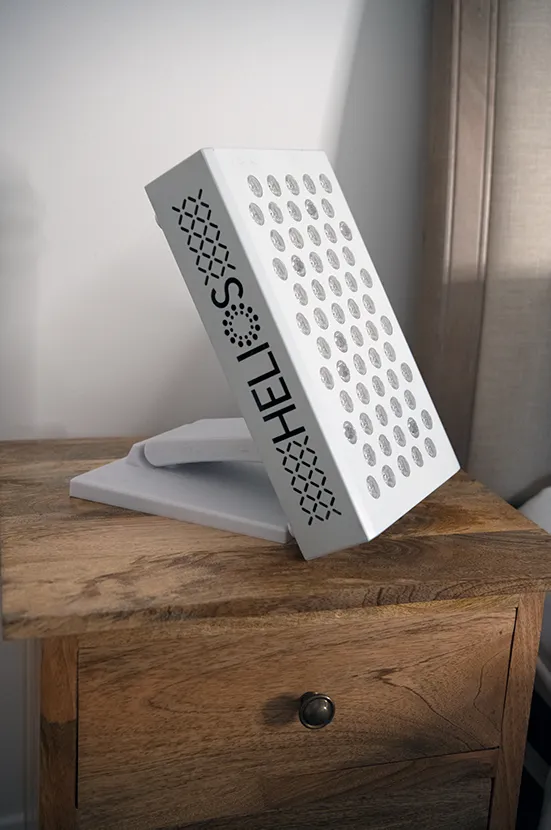
We've tested devices like the helios red light therapy panel and hand held light units at home, and sticking to the recommended duration consistently delivers better outcomes than marathon sessions. Understanding the potential benefits and uses helps you set realistic expectations and avoid the temptation to overdo it.
How Red Light Therapy Works and Why More Isn't Better
Red light therapy delivers wavelengths between 630 and 850 nanometers to stimulate cellular energy production. Your mitochondria absorb this light to produce ATP, which supports skin repair, collagen synthesis, and inflammation reduction. The difference between infrared and red light matters: red light (630-700 nm) targets surface skin, while near-infrared (700-850 nm) penetrates deeper tissue.
Once your cells reach their absorption threshold, additional exposure offers no extra benefit. Think of it like watering a plant: consistent, moderate doses work better than flooding it once a week. Devices such as phototherapy boxes typically emit specific irradiance levels designed for timed sessions, not continuous use.
Common Side Effects of Overuse
When you push past recommended session times or use red light therapy at home without breaks, these issues can appear:
- Headaches and fatigue from overstimulation of cellular activity
- Eye strain or discomfort if you skip protective eyewear during facial treatments
- Skin redness or irritation that feels like mild sunburn, especially on sensitive areas
- Sleep disruption when evening sessions are too long or too close to bedtime
- Temporary hyperpigmentation in rare cases with very high doses
We noticed mild redness after a 30-minute test session with the helios red light panel placed too close to the skin. Dialing back to 15 minutes at the manufacturer's recommended distance eliminated the issue entirely.
Safe Usage Guidelines for Red Light Therapy at Home
Follow these practices to get red light therapy benefits without the downsides:
- Start low, go slow: begin with 5 to 10 minutes per session, then gradually increase to 15 or 20 minutes as your skin adapts
- Maintain proper distance: most panels work best at 6 to 12 inches from the skin; handheld devices often specify 3 to 6 inches
- Limit frequency: three to five sessions per week is the sweet spot for most goals; daily use is acceptable for some devices, but check your manual
- Protect your eyes: close your eyes during facial treatments or wear the goggles included with many devices
- Take rest days: skip a day or two each week to let your body integrate the cellular changes
If you're new to phototherapy, check the latest price on starter-friendly options like the hand held light before committing to a full-body panel.
Red Light Therapy Dangers and Myths
Concerns about red light therapy dangers often stem from confusion with UV tanning beds or lasers. Red and near-infrared light do not contain UV radiation, so they won't cause sunburn or increase skin cancer risk when used as directed. What is red light therapy? explains how its non-invasive wavelengths differ from UV exposure.
That said, misuse can still cause problems:
- No FDA clearance for all claims: while some devices have FDA clearance for pain or skin conditions, many red light therapy benefits remain under research
- Not a hoax, but not a cure-all: despite what you'll read on red light therapy Reddit threads, it won't replace medical treatment for serious conditions
- Quality varies: cheap panels may deliver inconsistent wavelengths or inadequate irradiance, wasting your time or causing uneven results
We recommend sticking to reputable brands like red light therapy london options that publish third-party test results and specify exact wavelengths and power output.
Who Should Use Caution or Avoid Red Light Therapy
Most adults tolerate red light therapy well, but certain groups should consult a healthcare provider first:
- Pregnant or breastfeeding individuals: insufficient research exists on fetal or infant safety
- People taking photosensitizing medications: antibiotics, retinoids, or certain antidepressants can increase light sensitivity
- Those with active skin cancer or suspicious lesions: always get a dermatologist's clearance before starting any light-based treatment
- Individuals with epilepsy or light-triggered migraines: flashing or pulsed modes may provoke symptoms
If you have any of these concerns, start with a conversation rather than a device purchase. You can always grab the code later once you have professional guidance.
How to Choose the Right Device and Avoid Overuse
Matching the device to your goals helps you use red light therapy at home safely and effectively:
| Device Type | Best For | Typical Session | Key Feature |
|---|---|---|---|
| Full-body panel | Overall wellness, large treatment areas | 15-20 minutes | High irradiance, wall-mounted or freestanding |
| Targeted panel | Face, joints, localized pain | 10-15 minutes | Compact, adjustable angles |
| Handheld wand | Spot treatment, travel | 5-10 minutes per area | Portable, lower power density |
| Red light therapy mask | Facial skin, anti-aging | 10 minutes | Hands-free, even coverage |
The helios red light therapy line offers both full-body and targeted panels with built-in timers, which we found invaluable for preventing accidental overuse. Look for devices that publish their irradiance (measured in mW/cm²) and wavelength specs so you can calculate safe exposure times.
Building a Sustainable Red Light Therapy Routine
Consistency beats intensity every time. We suggest scheduling sessions at the same time each day, ideally in the morning or early afternoon to avoid sleep disruption. Track your sessions in a simple journal or app, noting duration, distance, and any skin reactions. After four to six weeks, assess your results and adjust frequency if needed.
If you're combining red light therapy with other treatments like retinoids or exfoliants, space them out: use phototherapy in the morning and topicals at night to minimize irritation. And remember, skipping a session now and then won't derail your progress. Sustainable habits always outperform short-lived enthusiasm.
Frequently asked questions
How long should a red light therapy session last?
Most sessions should last 10 to 20 minutes per treatment area, three to five times per week. Starting with shorter sessions of 5 to 10 minutes helps your skin adapt and reduces the risk of irritation.
Can red light therapy damage your eyes?
Direct exposure to bright red light can cause temporary eye strain or discomfort, but it does not cause permanent damage when used correctly. Close your eyes during facial treatments or wear protective goggles if your device includes them.
Is it safe to use red light therapy every day?
Daily use is safe for most people when sessions stay within 10 to 20 minutes and you follow the manufacturer's distance guidelines. However, most experts recommend taking one or two rest days per week to let your body recover.
What are the side effects of too much red light therapy?
Overuse can cause headaches, skin redness, eye strain, fatigue, and in rare cases temporary hyperpigmentation. These symptoms typically resolve when you reduce session length or frequency.
Does red light therapy work for full body treatment?
Yes, full-body panels can deliver therapeutic wavelengths to larger areas, but you'll need to treat front and back separately. Each side typically requires 10 to 15 minutes, and you should maintain the recommended distance for even coverage.
Can I use a hand held light device on my face?
Yes, handheld devices work well for facial treatments when held at the correct distance, usually 3 to 6 inches. Keep sessions to 5 to 10 minutes per area and close your eyes to protect them from direct light.