
How to Choose a Red Light Therapy Device for Home Use

How to Choose a Red Light Therapy Device for Home Use
Red light therapy works by delivering specific wavelengths of light to your skin and deeper tissues, and choosing the right device means matching wavelength, power output, and coverage area to your goals. Whether you want targeted facial treatments or full-body sessions, understanding the core specifications helps you invest in a device that delivers real results rather than wasting money on underpowered gadgets.
We tested dozens of home devices to understand what separates effective therapy from expensive placebo boxes. This guide walks you through the technical factors that matter, the treatment styles available, and how to match a device to your specific needs.
Wavelength and Power Output Matter Most
The effectiveness of any device starts with two non-negotiable specs: wavelength range and power density. Red light therapy typically uses wavelengths between 630 and 850 nanometers, with red light (630-680 nm) penetrating skin-deep for complexion and surface healing, while near-infrared (800-850 nm) reaches muscles and joints.
Power density, measured in milliwatts per square centimeter (mW/cm²), determines how much energy actually reaches your tissue. Look for devices delivering at least 40-60 mW/cm² at a 6-inch distance. Anything below 20 mW/cm² will require impractically long sessions or may not trigger biological responses at all.
When evaluating helios red light therapy or competing models, confirm the manufacturer lists both wavelength specs and irradiance measurements at your intended treatment distance. Vague claims about "clinical-grade" or "professional strength" without numbers are red flags.
Treatment Area Defines Your Device Type
Your choice between panel, handheld, or targeted devices depends entirely on what you want to treat and how much time you can dedicate to sessions.
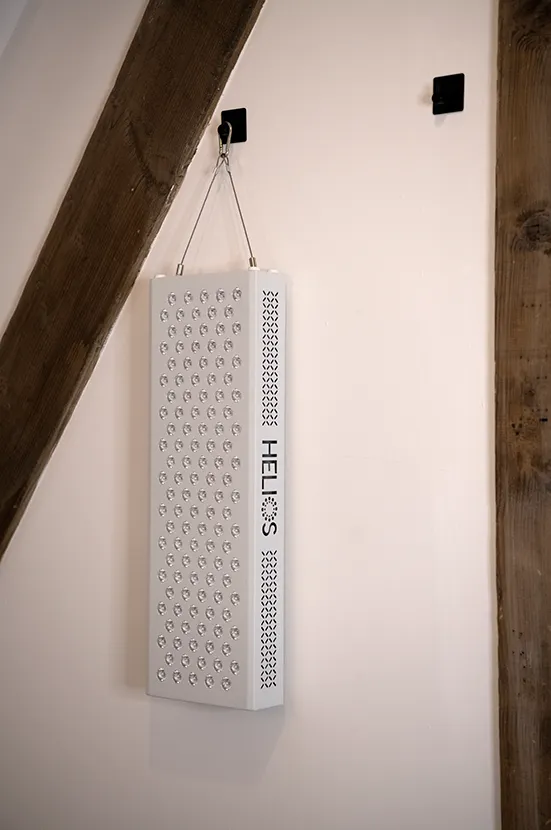
Large LED panels suit red light therapy full body goals or anyone treating multiple areas daily. A 24x16-inch panel covers your torso, back, or both legs simultaneously, cutting session time to 10-15 minutes. Helios red light panels and similar full-size units work well if you have wall or door space and want a semi-permanent setup.
Handheld devices offer flexibility for targeted treatment. A hand held light works well for spot-treating joints, small facial areas, or traveling. The tradeoff is smaller coverage area, meaning you'll spend more time moving the device around for larger treatment zones. These suit people focusing on specific injuries, acne patches, or wrinkles around the eyes and mouth.
Phototherapy boxes and red light therapy masks target specific use cases. Phototherapy boxes originally designed for seasonal affective disorder can include red and near-infrared wavelengths, while masks focus purely on facial skin. Masks offer hands-free convenience but lock you into one treatment area.
Standalone vs. Mounted Installation
How you position your device affects consistency and safety. Freestanding units with tripods or adjustable stands let you reposition easily but require floor space. Door-mounted or wall-mounted panels save space and create a fixed treatment station, which helps you stick to a routine.
We recommend freestanding options if you're new to red light therapy at home or want to experiment with angles and distances. Once you've settled into a routine, wall mounting a panel in a bedroom, bathroom, or home gym removes setup friction. Just confirm your model includes proper mounting hardware and that your walls can support the weight (most panels run 15-25 pounds).
Handheld models sidestep this entirely since you control placement manually, though arm fatigue becomes real during longer sessions.
Safety Features and Certifications You Need
Not all devices meet basic electrical and optical safety standards. Look for certifications like CE, FCC, or ETL/UL marks, which indicate the device passed third-party testing for electrical safety and electromagnetic interference.
Eye protection varies by device intensity. Most home units are safe for brief incidental exposure, but avoid staring directly into high-powered LEDs. Some users wear safety glasses during facial treatments, though research suggests that closing your eyes during face exposure is usually sufficient for wavelengths under 850 nm.
Overheating protection matters for devices you'll run 10-20 minutes daily. Quality panels include cooling fans and automatic shutoff timers. If a device feels uncomfortably hot to the touch after five minutes or smells like burning plastic, stop using it immediately.
Matching Devices to Your Health Goals
Red light therapy benefits range from skin rejuvenation to muscle recovery, and device choice should reflect your priority.
- Skin and anti-aging: A mask or small panel (12x8 inches minimum) with 630-660 nm red light works well for face and neck. Session times run 8-12 minutes at 6 inches.
- Muscle recovery and joint pain: Larger panels or handhelds with 800-850 nm near-infrared penetrate deeper. Position directly over sore muscles post-workout or on stiff joints.
- Hair growth: Full scalp coverage requires either a dedicated cap device or positioning a panel 6-8 inches above your head, lying down. Red wavelengths (650-680 nm) are most studied for this application.
- Whole-body wellness: A red light therapy panel measuring at least 24x16 inches lets you treat front and back torso, legs, or multiple areas in a single 15-minute session.
If you're targeting multiple goals, a dual-wavelength panel (red + near-infrared) offers the most versatility. Handheld units work as supplementary tools for spot treatment even if you own a panel.
Price, Warranty, and Where to Buy
Home devices range from under £100 for basic handhelds to £600+ for large commercial-style panels. We've found the sweet spot for effective treatment sits between £200 and £400 for a quality panel with verified specs and decent warranty coverage.
A minimum one-year warranty signals manufacturer confidence. LED lifespan typically exceeds 50,000 hours, so bulb replacement shouldn't factor into your decision unless you're buying used or refurbished.
Check the current pricing and grab our exclusive code for 5% off all orders at Red Light Therapy UK. Buying through tested retailers ensures you receive devices that match published specifications rather than rebadged imports with inflated claims.
How to Verify Your Device Works
Once your device arrives, test it before the return window closes. Measure the light output using a smartphone light meter app (free options exist for iOS and Android) to confirm it produces detectable infrared at the claimed wavelengths. While not lab-precise, this catches completely non-functional devices.
Run a skin test: use the device on your forearm for the recommended duration at the recommended distance. Within 24-48 hours, you may notice slight skin warming during treatment or mild redness immediately after (which should fade within an hour). Absence of any sensation doesn't mean it's broken, but combined with low light meter readings, it raises concerns.
If you experience eye strain, headaches, or skin irritation beyond mild temporary redness, stop use and contact the manufacturer. True red light therapy dangers are rare with properly built home devices, but poorly assembled units can cause discomfort or fail to deliver therapeutic wavelengths altogether.
Some users reference red light therapy Reddit communities for device comparisons and troubleshooting, though we recommend cross-referencing any advice with published research on what to look for in therapeutic devices.
Our Testing Recommendations
After evaluating performance, build quality, and value, we consistently recommend starting with a mid-size dual-wavelength panel if your budget allows. Red light therapy london options and similar regional models often ship quickly and include local support, which matters if you need warranty service.
For targeted facial work or travel, a quality hand held light serves as an excellent entry point or complement to a larger panel. Just set realistic expectations about coverage area and session duration.
Before you buy, check the latest pricing with our discount code to ensure you're getting the best value on devices we've actually tested. The right device depends on your space, goals, and commitment to consistent use, but any choice grounded in verified wavelengths and power output will outperform guesswork.
Frequently asked questions
What wavelength should I look for in a red light therapy device?
Look for devices offering 630-680 nm for skin-level benefits and 800-850 nm near-infrared for deeper tissue penetration. Dual-wavelength devices provide the most versatility for different treatment goals.
How much should I spend on a home red light therapy panel?
Quality panels with verified specs typically cost £200-£400. Avoid devices under £100 unless they're small handhelds, as extremely cheap panels often lack adequate power output or use unverified wavelengths.
Can I use a handheld device for full body treatment?
Yes, but it requires significantly more time since you'll need to move the device across each body area. A handheld typically covers 20-50 square inches per session, while panels cover 200-400 square inches simultaneously.
Is red light therapy safe for daily use at home?
Yes, when used according to manufacturer guidelines. Most home devices are designed for 10-20 minute daily sessions. Avoid staring directly at LEDs and stop use if you experience persistent eye strain or skin irritation.
Do I need special glasses for red light therapy sessions?
Most home devices under 850 nm are safe with closed eyes during facial treatment. Some users prefer safety glasses during high-intensity sessions, though brief incidental exposure poses minimal risk with properly built consumer devices.
How long does it take to see results from home red light therapy?
Skin improvements may appear within 4-8 weeks of consistent use, while muscle recovery benefits often show within days. Results depend on treatment consistency, device power output, and your specific health goals.