
Do Handheld Red Light Therapy Devices Work as Well as Full Panels?

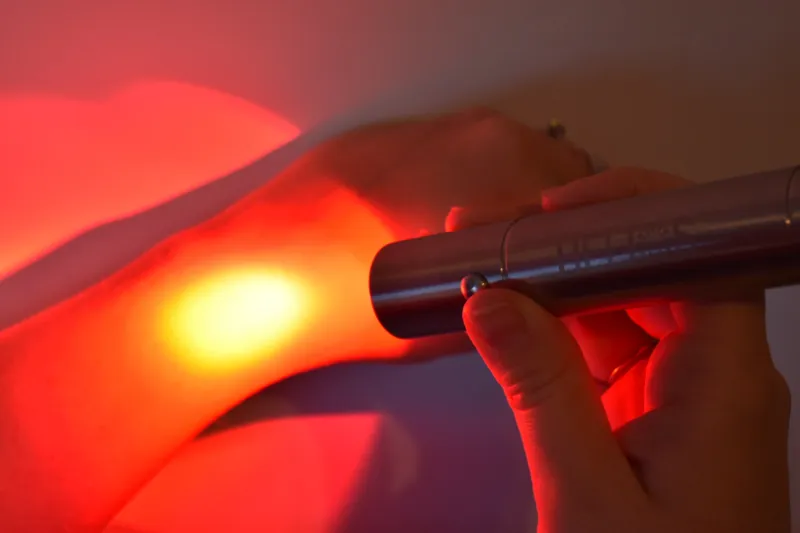
Do Handheld Red Light Therapy Devices Work as Well as Full Panels?
Yes, handheld red light therapy devices work effectively for targeted treatment areas, delivering the same wavelengths and therapeutic benefits as full panels, though they require more time to cover larger body areas. Both device types use identical LED technology and wavelengths (typically 660nm red and 850nm near-infrared), so the main differences come down to coverage area, treatment time, and how you plan to use them.
We've tested both formats extensively, and each excels in different scenarios. A hand held light shines for facial treatments, joint pain, and travel, while full panels like helios red light therapy systems suit whole-body sessions and consistent daily routines.
Power Output and Treatment Effectiveness
The therapeutic benefit of any device depends on irradiance (power density measured in mW/cm²) at your skin, not the device's total wattage. A quality handheld device delivers 40 to 100 mW/cm² at the optimal 6-inch distance, exactly what clinical studies use for skin rejuvenation and pain relief.
Full panels spread their total power across a larger surface, typically delivering 30 to 60 mW/cm² at 6 to 12 inches. The difference between Infrared & Red Light Therapy wavelengths matters more than device size. Both formats work when they hit the therapeutic threshold of 20+ mW/cm².
Key effectiveness factors for any format:
- Wavelength accuracy – 660nm (red) penetrates 8 to 10mm for skin; 850nm (near-infrared) reaches 30 to 40mm for muscle and joint tissue
- Treatment duration – 10 to 20 minutes per area at the correct distance achieves a therapeutic dose of 10 to 30 joules/cm²
- Consistency – daily or every-other-day sessions produce better results than sporadic use, regardless of device type
Coverage Area and Treatment Time
This is where the formats diverge most. A handheld device typically covers 10 to 30 square inches per session, making it ideal for facial red light therapy at home or a single knee, shoulder, or problem area. You'll spend 10 to 15 minutes per zone.
Full panels like helios red light or phototherapy boxes cover 200 to 500+ square inches, letting you treat your entire face, chest, and arms simultaneously in a single 10 to 20 minute session. For red light therapy full body goals, panels cut total treatment time from 60+ minutes (handheld, moving across zones) to 20 to 30 minutes (front and back with a panel).
| Device Type | Coverage Area | Time Per Zone | Best For |
|---|---|---|---|
| Handheld | 10–30 sq in | 10–15 min | Face, joints, travel, targeted pain |
| Full Panel | 200–500+ sq in | 10–20 min | Whole-body, daily routines, efficiency |
If you're treating only your face or a recurring injury, a handheld is faster and more convenient. For broader skin goals or multiple areas daily, a panel pays off in time saved.
Portability and Practical Use
Handheld devices weigh 0.5 to 2 pounds and fit in a carry-on, making them perfect for travel, gym bags, or moving between rooms. You can treat your face while reading, target a sore wrist during a work call, or use one in a hotel without hauling a full rig.
Full panels require wall mounting or a stand, a dedicated space, and 15 to 30 minutes of standing or sitting still. They suit a home setup where you commit to a consistent routine. Many of our readers pair both: a red light therapy panel at home for comprehensive sessions and a handheld for travel or quick touch-ups.
Cost and Long-Term Value
Handheld devices range from £80 to £250, while quality full panels start around £250 and run to £800+ for larger or dual-wavelength models. Per square inch of coverage, panels offer better value if you're treating large areas regularly.
For anyone exploring red light therapy benefits on a budget or testing the therapy before a larger investment, a handheld provides a low-risk entry point. You can always add a panel later. Grab the code for 5% off either format to lower your upfront cost.
Lifespan matters too. Quality LEDs last 50,000+ hours in both formats. A handheld used 15 minutes daily will run for decades; a panel used 30 minutes daily will too. Warranty and build quality (metal housing, proper heat dissipation) predict longevity better than device type.
Who Should Choose Which Format
Choose a handheld device if you:
- Focus on facial skin rejuvenation, fine lines, or acne
- Treat localized pain (knee, elbow, lower back, shoulder)
- Travel frequently or lack dedicated space for a standing panel
- Want to try red light therapy at home without a large upfront commitment
- Need flexibility to treat different small areas each session
Choose a full panel if you:
- Want comprehensive skin benefits across face, neck, chest, and arms
- Treat multiple areas daily and value time efficiency
- Have space for a fixed or semi-permanent setup
- Plan consistent, long-term use (the investment pays off in time saved)
- Seek full-body recovery, muscle performance, or widespread inflammation support
Many serious users eventually own both. Start with the format that matches your primary goal, then expand if your needs grow. Check the latest price on red light therapy london options and handhelds to compare current deals.
Our Recommendation
Both handheld and panel red light therapy devices deliver genuine therapeutic results when used correctly. Handhelds excel at targeted, portable treatment, while panels win on speed and coverage for larger areas. Neither is objectively better; your choice depends on what you're treating, how much space you have, and how you'll fit sessions into your routine.
We recommend starting with the format that matches your primary use case. If that's facial skin or joint pain, a quality handheld will serve you well. If you're after broader skin health or full-body benefits, invest in a panel from the start. Either way, consistency matters far more than device size, so pick the one you'll actually use daily.
Frequently asked questions
Do handheld red light therapy devices have the same power as panels?
Yes, quality handheld devices deliver the same therapeutic irradiance (40 to 100 mW/cm² at 6 inches) as full panels. The difference is coverage area, not power density, so handhelds work just as effectively for smaller treatment zones.
How long does it take to treat my face with a handheld device?
Plan for 10 to 15 minutes to cover your entire face and neck with a handheld red light therapy device, moving it slowly across zones. A full panel treats the same area in one 10-minute session without repositioning.
Can I use a handheld device for full-body treatment?
You can, but it will take 60+ minutes to cover your whole body by moving the handheld across each zone for 10 to 15 minutes. A full panel cuts that time to 20 to 30 minutes (front and back), making it far more practical for regular full-body sessions.
Are red light therapy panels worth the extra cost?
Panels cost more upfront but save significant time if you're treating large areas daily. If you only need targeted facial or joint treatment, a handheld offers better value. For comprehensive skin health or full-body goals, the panel's efficiency justifies the price.
Which red light therapy device is better for travel?
Handheld devices are far better for travel. They weigh under 2 pounds, fit in a carry-on, and require no mounting hardware. Full panels are bulky and impractical to transport, so a handheld is the clear choice for gym bags, hotels, or frequent trips.
Do I need both a handheld and a panel?
Not initially. Start with whichever format matches your main goal. Many long-term users eventually own both: a panel for daily comprehensive sessions at home and a handheld for travel or quick targeted treatments. Add the second format only if your needs expand.