
Red Light Therapy vs Phototherapy Box: Which Treatment Is Right for You?

Red Light Therapy vs Phototherapy Box: Which Treatment Is Right for You?
Red light therapy uses specific wavelengths (typically 630-850 nm) to penetrate skin and support cellular energy production, while phototherapy boxes emit broad-spectrum bright white light (10,000 lux) to regulate circadian rhythms and mood. The choice between them depends entirely on what you want to treat: skin concerns and muscle recovery favor red light devices, whereas seasonal affective disorder and sleep issues call for a phototherapy box.
We tested both categories to help you decide which technology matches your wellness goals, budget, and lifestyle.
What Red Light Therapy Actually Does
Red light therapy works by delivering red and near-infrared wavelengths to your skin and underlying tissue. Mitochondria in your cells absorb these wavelengths and produce more ATP, the energy currency your body uses for repair and regeneration.
Common uses for red light therapy include:
- Anti-aging and collagen production for smoother skin
- Wound healing and post-surgical recovery
- Joint pain and inflammation management
- Muscle recovery after workouts
- Hair growth stimulation
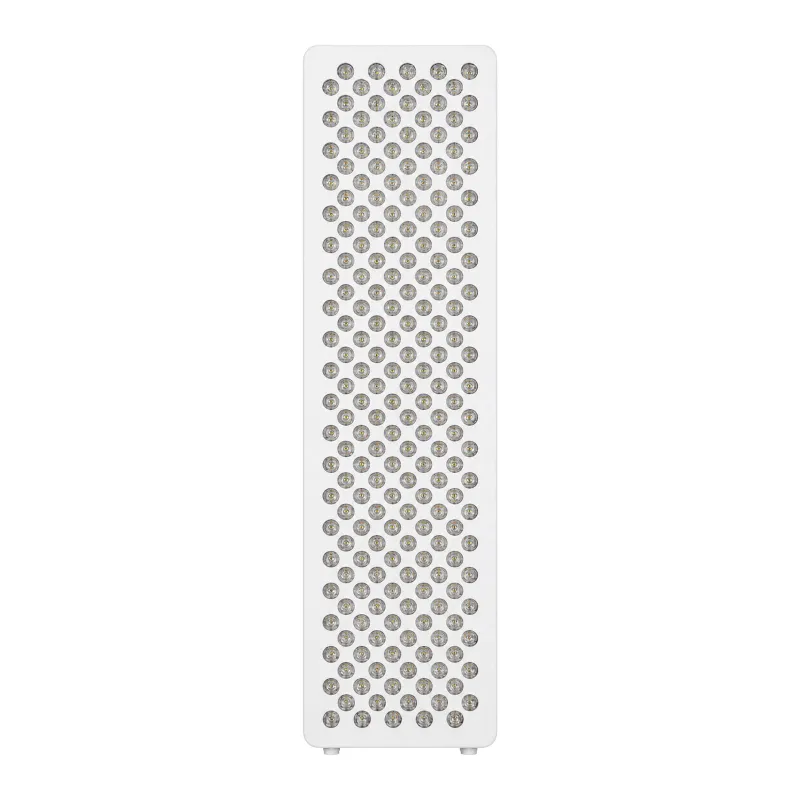
Devices range from hand held light units you can target at specific areas to full-body panels. The helios red light therapy panel, for example, covers larger treatment zones if you want to address multiple areas in one session. For localized treatment or travel, a handheld option offers flexibility without the footprint of a panel.
We found red light therapy at home fits easily into morning or evening routines with sessions lasting 10 to 20 minutes. You sit or stand near the device, and most units include timers and adjustable intensity settings.
How Phototherapy Boxes Differ
Phototherapy boxes emit bright white light that mimics natural outdoor light, typically at 10,000 lux. You place the box on a desk or table at eye level and sit nearby for 20 to 30 minutes, usually in the morning.
Phototherapy boxes are designed for:
- Seasonal affective disorder (SAD) and winter depression
- Non-seasonal depression as an adjunct treatment
- Circadian rhythm disorders and jet lag
- Sleep phase issues (delayed or advanced sleep)
Unlike red light devices that you aim at your skin, phototherapy boxes work through your eyes (though you do not stare directly at the light). The bright light signals your brain to reduce melatonin production and regulate serotonin, which stabilizes mood and energy levels.
Research shows that consistent morning use of a phototherapy box can shift your internal clock and improve mood within one to two weeks.
Device Comparison: Red Light Therapy vs Phototherapy Boxes
| Feature | Red Light Devices | Phototherapy Boxes |
|---|---|---|
| Primary use | Skin health, pain, muscle recovery | Mood regulation, SAD, circadian rhythm |
| Wavelength | 630-850 nm (red/near-infrared) | Full spectrum white light, 10,000 lux |
| Session length | 10-20 minutes | 20-30 minutes |
| Placement | Direct skin exposure, close range | Eye-level, indirect gaze |
The helios red light and similar panels require you to expose bare skin for maximum benefit, while phototherapy boxes work through ambient light exposure as you read, work, or eat breakfast.
If you live in an area with limited winter sunlight and struggle with low energy or mood dips, a phototherapy box addresses the root cause. But if your concern is fine lines, joint stiffness, or post-gym soreness, red light is the technology you need.
Choosing the Right Treatment for Your Goals
Pick red light therapy if you want to:
- Reduce wrinkles, fine lines, and age spots
- Speed recovery from injuries or workouts
- Manage chronic pain or arthritis symptoms
- Improve skin tone and texture
Red light therapy devices suit anyone focused on physical wellness and aesthetic goals. They work year-round and do not depend on the season or your light exposure habits. For targeted treatment of specific joints or facial areas, a hand held light offers precision and portability.
Pick a phototherapy box if you want to:
- Combat seasonal depression or low winter mood
- Reset your sleep schedule or fight jet lag
- Boost energy and focus during short daylight months
- Manage non-seasonal depression alongside other therapies
Phototherapy is most effective when used consistently in the morning, ideally within the first hour of waking. If you already feel great in winter or live in a sunny climate, you probably will not see much benefit from a phototherapy box.
Safety, Side Effects, and Red Light Therapy Dangers
Both technologies are considered safe for most people when used as directed, though each carries minor risks.
Red light therapy side effects are rare but can include:
- Temporary eye strain if you stare directly at LEDs (wear goggles if needed)
- Mild headaches during the first few sessions
- Skin irritation in people with extreme photosensitivity
Despite online discussions about red light therapy dangers, clinical evidence shows the treatment is non-invasive and does not damage skin like UV light. That said, people with active skin cancer, lupus, or certain medications that increase light sensitivity should consult a doctor first.
Phototherapy box side effects may include:
- Headaches, eye strain, or nausea (usually mild and temporary)
- Agitation or hypomania in people with bipolar disorder
- Sleep disturbances if used too late in the day
If you are considering either treatment, start with shorter sessions and gradually increase exposure time. Check the latest pricing and grab our discount code to save 5% on your order.
Where to Buy and What to Expect
We recommend buying from reputable retailers that disclose device specifications, including wavelength output, irradiance (mW/cm²), and coverage area. For red light therapy london and UK-wide delivery, verified stores offer tested devices with clear return policies.
What Is Red Light Therapy, and What Can It Do for My Skin? outlines the science behind collagen stimulation and cellular repair, which helps you evaluate marketing claims versus evidence-based benefits.
Expect to pay more for larger red light panels with higher irradiance and dual wavelengths (red plus near-infrared). Phototherapy boxes vary mainly by lux output and build quality; UV-free certification is essential to avoid skin damage.
For either device, consistency matters more than session length. A 10-minute daily routine beats sporadic hour-long treatments. Both technologies require several weeks of regular use before you notice measurable changes, whether that is smoother skin, improved mood, or better sleep.
If you are ready to invest in one of these treatments, check current availability and pricing to find the device that fits your budget and goals.
Frequently asked questions
Can I use red light therapy and a phototherapy box together?
Yes, you can use both treatments safely as they serve different purposes. Use the phototherapy box in the morning for mood and energy, and red light therapy anytime for skin or muscle benefits. Just avoid using them simultaneously to prevent eye strain.
Is red light therapy a hoax or does it actually work?
Red light therapy is backed by peer-reviewed research showing benefits for collagen production, wound healing, and inflammation reduction. While results vary by device quality and consistency of use, it is not a hoax when proper wavelengths and dosages are used.
How long does it take to see results from red light therapy?
Most users notice skin texture improvements within four to six weeks of daily 10-15 minute sessions. Pain relief and muscle recovery benefits may appear sooner, often within one to two weeks of consistent use.
Do phototherapy boxes work for depression year-round?
Phototherapy boxes are most effective for seasonal affective disorder but can also help non-seasonal depression when used as part of a broader treatment plan. Consult your doctor before relying on light therapy alone for depression management.
Which device is better for full body treatment?
A full-body red light therapy panel covers more surface area than a phototherapy box, which is designed for eye-level ambient exposure rather than direct skin treatment. Choose based on your goal: red light for skin and muscle, phototherapy for mood and circadian rhythm.
Can I use a handheld red light device on my face daily?
Yes, handheld red light devices are safe for daily facial use when held at the manufacturer's recommended distance. Most sessions last 5-10 minutes per area, making them convenient for targeting fine lines and skin tone.