
Can You Use Septic Safe Toilet Cleaner in an RV? What RVers Need to Know

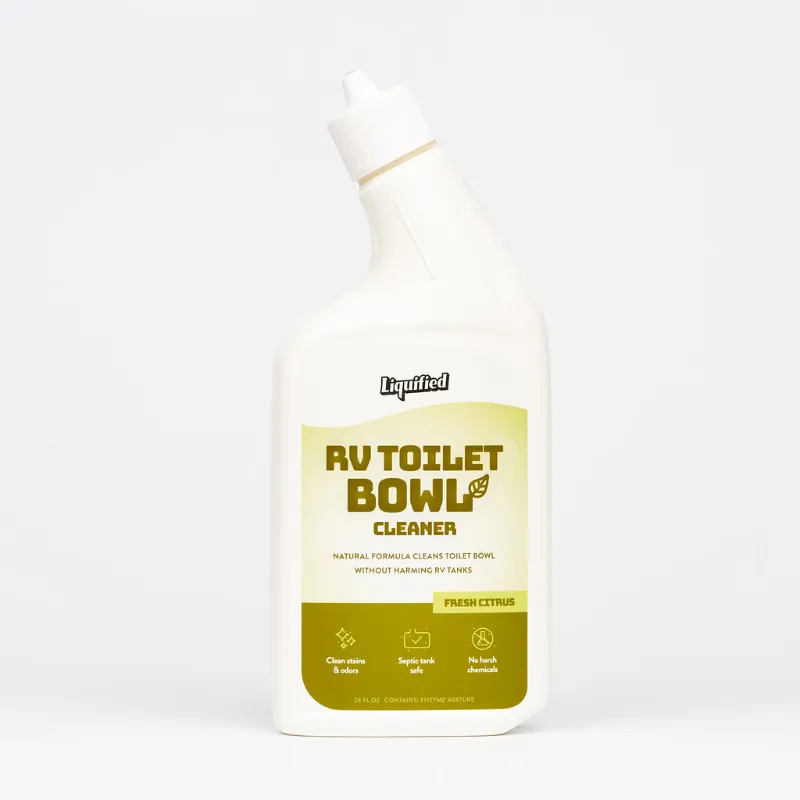
Yes, you can use a septic safe toilet cleaner in an RV, but not all household septic-safe formulas are designed for the unique demands of RV black tanks and holding systems. While standard septic-safe cleaners avoid harsh chemicals that kill beneficial bacteria, RV tanks require products that also handle limited water, temperature swings, and the biofilm buildup common in mobile waste systems.
We tested dozens of cleaners in real RV black tanks to identify which formulas protect seals, support enzymatic breakdown, and actually clean without clogging sensors or leaving residue. Here's what every RVer needs to know before choosing a cleaner.
Why RV Black Tanks Need Different Cleaners Than Home Septic Systems
Home septic systems process waste with thousands of gallons of water, steady temperatures, and gravity-fed flow. RV black tanks hold 20 to 40 gallons, sit in extreme heat or cold, and rely on manual flushing. A household septic safe toilet bowl cleaner might pass the bacteria test but still contain thickeners, dyes, or fragrances that coat sensors, clog valve seals, or prevent proper waste breakdown in low-water conditions.
RV-specific formulas like rv black tank cleaner and rv toilet cleaner are engineered for these constraints. They use enzymes and surfactants that work in concentrated doses, break down tissue and waste rapidly, and rinse clean without leaving film. If you're using a household product, check the label for these red flags:
- Bleach or ammonia – kills bacteria needed for waste digestion
- Thick gels or tablet binders – coat tank walls and sensors
- Heavy fragrances or dyes – mask problems instead of solving them
- Phosphates – can harm the environment when dumped at RV parks
Best Septic Safe Cleaners for RV Toilets and Tanks
We focus on enzyme-based and biodegradable formulas that support bacterial action rather than replace it. Here's how the top options compare:
| Product Type | Best For | Key Benefit |
|---|---|---|
| RV toilet cleaner | Bowl and rim cleaning | Removes stains without damaging seals |
| RV black tank cleaner | Deep tank treatment | Breaks down buildup and paper clogs |
| Liquified Toilet Treatment | Regular maintenance | Enzyme blend for every flush |
For routine bowl cleaning, an rv toilet cleaner keeps the ceramic and plastic surfaces stain-free without the corrosive acids found in household formulas. We apply it directly to the bowl, scrub lightly, and flush. It won't harm rubber seals or the tank's bacterial ecosystem.
For monthly or seasonal deep cleaning, an rv black tank cleaner tackles the biofilm and paper buildup that regular treatments miss. We fill the tank one-quarter full, add the cleaner, drive for 20 minutes to agitate, then let it sit overnight before a full dump and rinse. This process clears sensors, prevents pyramid clogs, and eliminates odors at the source.
Daily or per-use treatments like Liquified Toilet Treatment maintain balance between flushes. These enzyme formulas digest waste and tissue continuously, so you're not fighting buildup between dump cycles. Check current pricing and grab the code for 15% off any treatment bundle.
How to Verify a Cleaner Is Truly Septic and RV Safe
Marketing claims like "eco-friendly" or "biodegradable" don't guarantee RV compatibility. We look for these specific markers:
- Enzyme or bacteria-based formulation on the ingredient list
- No chlorine, formaldehyde, or bronopol (common in older RV chemicals)
- pH-neutral or slightly acidic (pH 6 to 8) to avoid seal damage
- NSF or EPA Safer Choice certification when available
Septic-safe cleaning products lists household alternatives, but remember that "safe for septic" and "optimized for RV black tanks" aren't the same standard. A cleaner may pass the septic test yet still leave residue or fail in low-water RV conditions.
If you're evaluating a household option like Green Gobbler toilet bowl cleaner, confirm it's formaldehyde-free and enzyme-active. Green Gobbler's septic-boost formula works in RVs when used sparingly, but we prefer dedicated rv chemicals for toilet systems that account for tank-specific challenges.
What About Other RV Cleaning Products?
RV sanitation extends beyond the toilet. We also maintain the gray tank, fresh water lines, and exterior surfaces with compatible formulas:
- Water tank cleaner sanitizes fresh water systems without leaving chlorine taste
- Toilet tank cleaner prevents mineral buildup in flush mechanisms
- RV drain cleaner clears gray tank and sink clogs with enzyme action
For the exterior, products like rv roof cleaner, rv wash and wax, and bug & tar remover keep surfaces protected without harsh solvents that damage decals or rubber seals. Pairing the right interior and exterior products ensures your entire RV system stays functional season after season.
Common Mistakes RVers Make With Toilet Cleaners
Using too much product. More cleaner doesn't mean a cleaner tank. Overloading with camper toilet cleaner or treatment formulas creates foam, coats sensors, and wastes money. We follow the label's per-gallon recommendation exactly.
Mixing cleaner types. Combining a bleach-based household cleaner with an enzyme treatment neutralizes both. Stick to one system: either enzyme-based RV formulas or a proven septic-safe household alternative, never both at once.
Skipping the rinse cycle. After dumping, we always backflush or add clean water to rinse residue from the tank walls and sensors. A dirty tank left "empty" breeds odor and clogs faster than a well-rinsed one.
Ignoring the gray tank. Shower soap, dish detergent, and food particles build up in the gray tank just like waste does in the black. We treat both tanks with appropriate cleaners to prevent cross-contamination and sensor failure.
Visit the discount page to see which bundles pair black tank, toilet, and water system treatments for whole-RV maintenance.
Should You Switch to RV-Specific Formulas?
If you're already using a proven septic safe household cleaner and experiencing no sensor issues, clogs, or odors, you may not need to switch. But if you notice any of these signs, it's time to move to an RV-specific formula:
- Persistent odors even after dumping
- Inaccurate or stuck tank sensors
- Slow draining or "pyramid" clogs
- Seal leaks or valve sticking
RV formulas like septic safe toilet cleaner and rv black tank cleaner are formulated to prevent these exact problems. We treat them as preventive maintenance, not just cleaning products. The cost of a quality treatment is a fraction of what you'd spend on a sensor replacement, valve repair, or emergency pump-out.
For comprehensive testing and ratings, Consumer Reports evaluates toilet bowl cleaners across categories, though their tests focus on household use. RV-specific performance requires field testing in real tanks under real travel conditions, which is exactly how we evaluate every product we recommend.
Final Recommendations for RV Toilet Care
Start with a dedicated rv toilet cleaner for weekly bowl maintenance, add Liquified Toilet Treatment after every dump to maintain bacterial balance, and schedule a deep clean with rv black tank cleaner at the start and end of each season. This three-part system handles daily messes, prevents buildup, and keeps your entire waste system running smoothly without harsh chemicals or guesswork.
When you're ready to stock up, check the latest pricing and use our code for 15% off all orders. Your black tank and your nose will thank you.
Frequently asked questions
Can I use regular household toilet cleaner in my RV black tank?
Only if it's specifically labeled septic-safe and free of bleach, ammonia, and formaldehyde. Most household cleaners contain chemicals or thickeners that damage RV seals, coat sensors, or kill the bacteria needed to break down waste in holding tanks.
How often should I use septic safe toilet cleaner in my RV?
Use a bowl cleaner weekly for surface cleaning, add a maintenance treatment like Liquified Toilet Treatment after each dump, and deep-clean the black tank with a dedicated tank cleaner every three to six months or whenever you notice odors or sensor issues.
What's the difference between RV black tank cleaner and RV toilet cleaner?
RV toilet cleaner is designed for scrubbing the bowl and rim surfaces without damaging seals, while RV black tank cleaner is a stronger treatment that breaks down waste buildup, paper clogs, and biofilm inside the holding tank itself.
Will septic safe cleaners fix my stuck RV tank sensors?
Enzyme-based cleaners can dissolve the buildup that causes sensors to read incorrectly, but severe coating may require a deep clean with an RV black tank cleaner and a rinse cycle. Prevention with regular treatments works better than trying to fix stuck sensors after the fact.
Are enzyme toilet treatments better than chemical ones for RVs?
Yes, enzyme and bacteria-based treatments actively digest waste and tissue, work in low-water conditions, and support long-term tank health. Chemical treatments may mask odors temporarily but often kill beneficial bacteria and cause buildup over time.
Can I use the same cleaner for my RV gray tank and black tank?
Some products work for both, but black tanks need stronger waste-digesting enzymes while gray tanks benefit from grease-cutting formulas. Using a dedicated RV drain cleaner or water tank cleaner for the gray tank and a black tank cleaner for the waste tank gives better results.