
RV Roof Cleaner vs. Regular Car Wash: What Actually Works on Rubber Roofs?

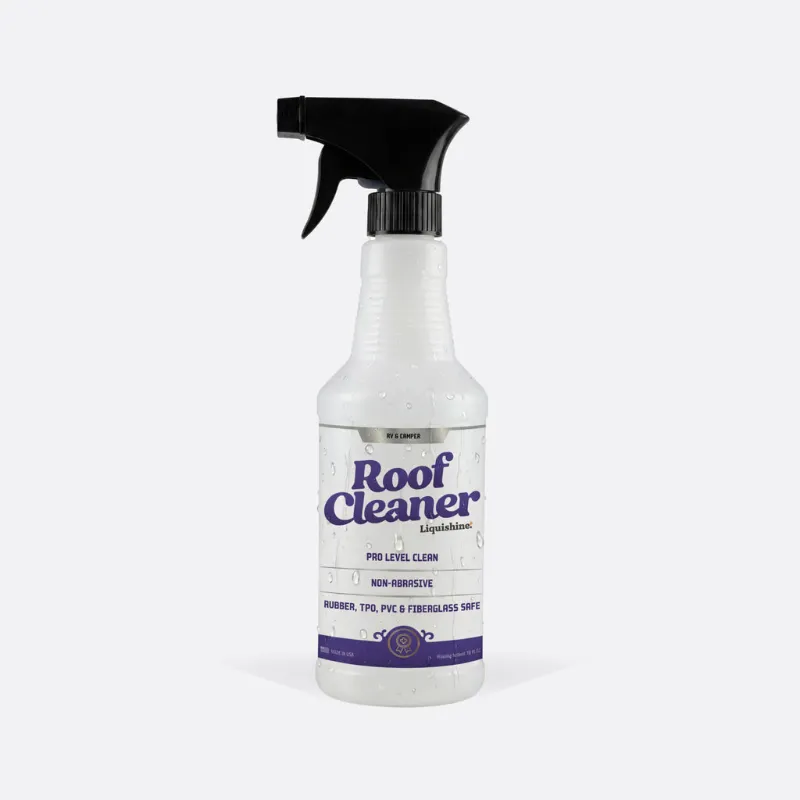
An rv roof cleaner formulated specifically for rubber membranes cleans more effectively and protects longer than regular car wash soap, which can leave residue and lacks the UV protectants rubber roofs need. We tested both approaches on EPDM and TPO roofs to show you what actually works.
Most RVers grab whatever soap is handy, but rubber roofing materials behave differently than automotive paint. The wrong cleaner accelerates oxidation, leaves streaks, or strips protective coatings that prevent leaks.
Why Rubber RV Roofs Need Different Care Than Car Paint
Rubber roofing membranes (EPDM, TPO, and PVC) are porous and flexible, designed to expand and contract with temperature swings. Car wash soaps are engineered for hard, non-porous clear coat finishes. When you use car wash detergent on a rubber roof, you get:
- Residue buildup that attracts dirt faster
- No UV protection to prevent chalking and cracking
- Potential damage to roof sealants around vents and edges
- Shorter lifespan because oxidation goes unchecked
A dedicated rv roof cleaner contains conditioners that restore flexibility and UV blockers that slow degradation. Regular car wash can't do either.
Simple Green and Dawn are popular DIY options, but they're degreasing formulas without the protective finish rubber needs after cleaning.
What Makes the Best RV Roof Cleaner Different
The best rv roof cleaner does three jobs: removes contaminants, conditions the rubber, and leaves a protective layer. Here's what separates specialty products from generic soap:
| Feature | RV Roof Cleaner | Car Wash Soap |
|---|---|---|
| UV protectants | Yes | No |
| Rubber conditioners | Yes | No |
| Safe for sealants | Formulated for it | Can soften or strip |
| Oxidation removal | Designed to lift chalk | Cleaning only |
Products like the Bio Kleen RV Roof Cleaner & Protectant combine citrus-based cleaning with a polymer protectant layer. You clean and seal in one step, which saves time and extends the intervals between deep cleans.
When you check the latest price on a quality roof cleaner, compare the cost per wash. A 32-ounce bottle typically handles 3 to 4 full roof cleans on a 30-foot rig, and the protection lasts months longer than soap and water.
How to Clean Your RV Rubber Roof the Right Way
We recommend this process whether you choose a specialty cleaner or test a DIY option first:
- Sweep or blow off loose debris before wetting the roof to avoid grinding dirt into the membrane
- Apply cleaner to a cool, shaded roof in sections, working from front to back
- Use a soft-bristle brush or microfiber mop (never stiff brushes that abrade rubber)
- Rinse thoroughly so no residue remains to attract dust
- Inspect seams and sealant while the roof is clean and reapply caulk if needed
Simple Green provides a rubber roof cleaning guide that works if you add a separate protectant step afterward. The advantage of an all-in-one product is you're less likely to skip the protection phase when you're tired and hot.
For stubborn tree sap, road tar, and bug residue around the front cap, a bug & tar remover tackles those spots without the elbow grease. Spray it on, let it dwell for a minute, then wipe clean before applying your roof cleaner over the whole surface.
Best RV Roof Cleaner and Conditioner for EPDM vs. TPO
EPDM (the black rubber membrane) and TPO (the white thermoplastic) require slightly different care:
EPDM roofs oxidize and chalk over time, turning gray and rough. The best rv rubber roof cleaner for EPDM contains mild abrasives or citrus oils that lift the oxidized layer without tearing the membrane. Follow with a conditioner to restore oils and flexibility.
TPO roofs resist oxidation better but show dirt and streaks more obviously. A cleaner with brightening agents keeps TPO white without bleach, which can degrade the material. Look for non-abrasive formulas that rinse clean.
Both benefit from UV protectants. If you're using a cleaner that doesn't include a protectant (like diluted Dawn or Simple Green), apply a separate rubber roof protectant or rv wash and wax designed for rubber after cleaning. Skipping this step costs you 6 to 12 months of roof life per year.
When Car Wash Soap Is Acceptable (and When It's Not)
You can use a pH-neutral car wash soap for light maintenance washes between deep cleans if your roof already has a protective coating and you're just rinsing off dust. This works for:
- Monthly rinses during camping season
- Spot-cleaning small areas after a rainstorm
- Touch-ups before applying a separate protectant you already own
Do not use car wash soap for:
- Annual or bi-annual deep cleaning
- Removing oxidation or chalking
- Any roof that hasn't been protected in the last 6 months
- New roofs still under warranty (some manufacturers void coverage if you don't use approved cleaners)
If you're committed to DIY, mix 1 cup of Simple Green or Dawn with 5 gallons of water, scrub gently, rinse completely, and immediately apply a rubber protectant. That two-step process approximates what a quality roof cleaner does in one.
For a complete exterior clean, pair your roof care with regular washing using an rv wash and wax on the painted sidewalls and fiberglass. The wax doesn't go on the rubber roof, only the vertical surfaces.
Our Take: Specialty Cleaner Wins for Annual Deep Cleans
After testing both approaches across multiple roof types, we recommend a dedicated rv roof cleaner for your annual or bi-annual deep clean and car wash soap (if anything) for quick monthly rinses.
The cost difference is minor when you factor in protection. A $20 bottle of specialty cleaner lasts a year and prevents the $3,000 to $8,000 roof replacement that comes 3 to 5 years early when you skip conditioning and UV protection.
Grab the code for 15% off and stock up before your spring de-winterization. While you're at it, check your holding tank maintenance schedule. A rv black tank cleaner and rv toilet cleaner keep the interior systems running as smoothly as a clean roof keeps water out.
Your roof is your RV's first defense against leaks. Treat it with the right product, and you'll add years to its lifespan without the guesswork of DIY mixes.
Frequently asked questions
Can I use regular car wash soap on my RV rubber roof?
You can use pH-neutral car wash soap for light monthly rinses if your roof already has a protective coating, but it won't remove oxidation or provide UV protection. For deep cleaning, a dedicated rv roof cleaner with conditioners and protectants is necessary to prevent premature aging.
How often should I clean my RV roof with a specialty cleaner?
Deep clean your RV roof with a specialty cleaner and protectant twice a year (spring and fall) or annually if you store your RV covered. Rinse off dirt monthly during camping season with plain water or a mild soap solution.
What's the difference between EPDM and TPO roof cleaners?
EPDM (black rubber) cleaners often contain mild abrasives or citrus oils to remove oxidation and chalking, while TPO (white thermoplastic) cleaners use non-abrasive brightening agents. Both types benefit from UV protectants, and many quality cleaners work on both materials.
Do I need a separate protectant after using roof cleaner?
Only if your cleaner doesn't include a protectant. All-in-one rv roof cleaner and conditioner products apply a UV-blocking layer as you clean, saving time. If you use Dawn or Simple Green, you must apply a separate rubber roof protectant immediately after rinsing to prevent damage.
Will the wrong cleaner void my RV roof warranty?
Some manufacturers void warranties if you use unapproved cleaners that damage the membrane or sealants. Check your warranty paperwork for a list of acceptable products, and always avoid petroleum-based solvents, abrasive scrubbers, or bleach on rubber roofs.
Can I use the same cleaner on my RV sidewalls and roof?
No. Use a dedicated rv roof cleaner on rubber membranes and an rv wash and wax on painted fiberglass or aluminum sidewalls. Wax and automotive detergents leave residue on porous rubber, while roof cleaners may not provide enough shine or protection for painted surfaces.