
How Often Should You Use Toilet Treatment in Your RV Holding Tank?

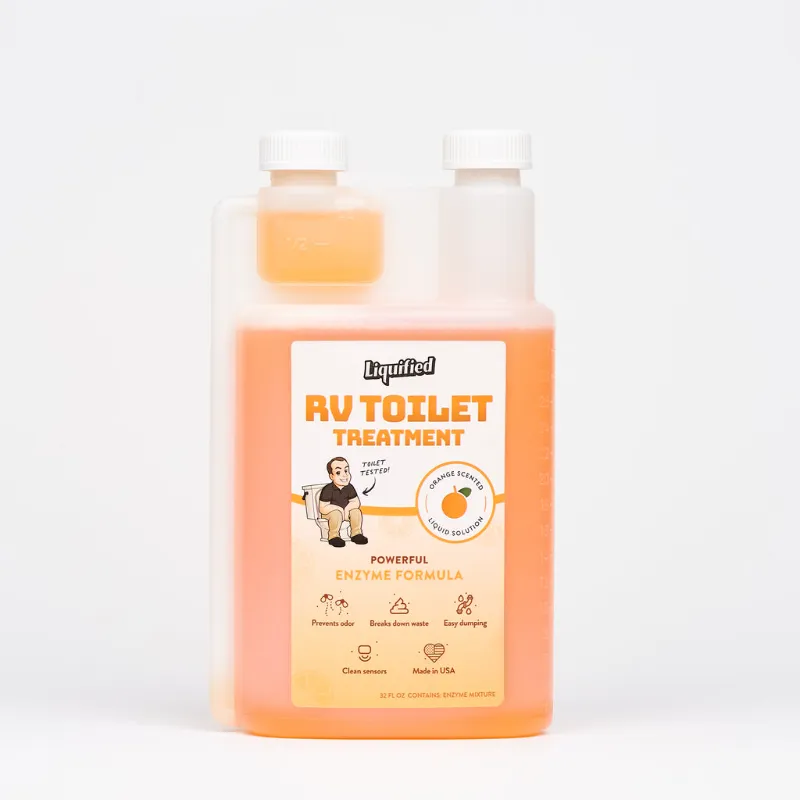
How Often Should You Use Toilet Tank Cleaner in Your RV?
Most RV owners should add liquified Toilet Treatment every time they empty their black tank, which typically means every three to five days for full-timers and after each weekend trip for recreational campers. The right schedule depends on your camping frequency, tank capacity, and the type of waste treatment you choose.
We tested dozens of RV sanitation routines and spoke with experienced full-time RVers to build this guide. Whether you're using toilet tank cleaner tablets or liquid formulas, the timing matters as much as the product itself.
Treatment Frequency by Camping Style
Your treatment schedule should match how you actually use your rig.
Full-time RVers living on the road year-round need the most consistent routine:
- Add treatment after every tank dump, typically every 3-5 days
- Use a measured dose of rv black tank cleaner immediately after flushing the tank
- Top up treatment mid-cycle if you're extending beyond five days between dumps
- Monitor sensor readings to avoid overfilling between treatments
Weekend warriors who camp one to four times per month can follow a simpler pattern:
- Treat the tank at the start of each trip, right after your first flush
- Add a maintenance dose of camper toilet cleaner if your trip extends beyond three nights
- Perform a deep clean with rv toilet cleaner at the beginning of each season
Occasional campers using their RV a few times per year should focus on storage:
- Treat and flush the system before winterizing or long-term storage
- Add treatment when you de-winterize to break down any residue
- Use a septic safe toilet cleaner for the first trip of the season
Liquid vs Tablet Treatment Schedules
The formula you choose changes how often you need to treat.
Liquid treatments like concentrated rv chemicals for toilet work faster and offer flexible dosing. Add one to two ounces per flush cycle, adjusting based on tank size and waste load. Liquids disperse immediately, making them ideal for variable-length trips where you might dump early or extend your stay.
Tablet treatments deliver pre-measured doses that break down over 24-48 hours. Drop one tablet after each dump for a 30-40 gallon black tank, or two tablets for larger tanks. Tablets work well for consistent routines but offer less flexibility if your schedule changes mid-trip.
We recommend liquid formulas for full-timers who need precise control and tablets for weekend campers who prefer set-it-and-forget-it convenience. You can grab the code for 15% off either format.
Signs You Need to Treat More Often
Watch for these red flags that your current schedule isn't cutting it:
- Persistent odors even after adding treatment indicate insufficient dosing or infrequent treatment
- Inaccurate sensor readings caused by buildup on tank probes mean residue is accumulating faster than your treatment can handle
- Slow-draining tanks suggest solids aren't breaking down between dumps
- Clumping or pyramid buildup visible during dumps shows treatment frequency is too low for your usage
When you notice these issues, increase your treatment frequency before adjusting dosage. An extra mid-cycle dose of rv black tank cleaner often solves the problem without switching products.
Seasonal and Climate Adjustments
Temperature dramatically affects treatment performance.
Hot weather accelerates bacterial activity and odor formation:
- Increase treatment frequency by 25-30% when daytime temps exceed 85°F
- Consider adding a booster dose on day three of a five-day cycle
- Keep extra water in the tank to slow evaporation and maintain treatment dilution
Cold weather slows enzyme and bacterial action in many treatments:
- Switch to a cold-weather formula or double your standard dose below 40°F
- Treat more frequently, even if you're not dumping, to combat sluggish breakdown
- Use a water tank cleaner before winter storage to prevent freeze damage
Altitude camping above 7,000 feet sometimes affects holding tank pressure and treatment efficacy, though most modern formulas handle it well. If you notice issues, add treatment 12 hours before your first use to give enzymes time to activate.
Deep Cleaning and Maintenance Cycles
Beyond regular treatments, schedule periodic deep cleans to maintain tank health.
Perform a thorough flush and clean every 10-15 dumps or quarterly, whichever comes first:
- Dump and rinse your black tank completely
- Add a double dose of treatment plus a full tank of clean water
- Drive 20-30 miles to agitate the solution, breaking loose stubborn buildup
- Let it sit overnight for maximum enzyme contact
- Dump and repeat the rinse until water runs clear
Pair deep cleans with related maintenance tasks. While you're focused on sanitation, it's a good time to check the latest price on rv drain cleaner for your gray tank and inspect seals around toilet gaskets.
Some RVers also coordinate exterior cleaning with holding tank maintenance, tackling rv roof cleaner and rv wash and wax projects on the same service weekend. Remove road grime with bug & tar remover before waxing for the best results.
Best Practices for Consistent Treatment
Lock in a routine that works with your natural camping rhythm.
Create a visual reminder system by marking treatment days on your camping calendar or setting phone alerts for three-day intervals. Many full-timers attach a small dry-erase board inside the bathroom cabinet to track last treatment and dump dates.
Pre-measure doses for trips by filling small bottles or counting out tablets into labeled bags. This prevents under-dosing when you're tired after setup or in a rush to hit the road.
Coordinate with dump schedules by treating immediately after dumping, not before. Fresh treatment works best in a clean, rinsed tank where enzymes can coat surfaces before new waste arrives. The experts at Consumer Reports note that timing and consistency beat high-dose infrequent treatments in independent testing.
Keep backup supplies on board at all times. Running out mid-trip forces you to skip treatment cycles, which creates buildup that takes weeks to correct. Stock at least two extra bottles or a dozen tablets beyond what your trip requires.
The right treatment frequency protects your RV's sanitation system, eliminates odors, and prevents costly repairs to sensors and valves. Start with the recommended schedule for your camping style, then adjust based on real-world performance in your specific rig and climate.
Frequently asked questions
How much toilet treatment should I use per flush in my RV?
Use one to two ounces of liquid treatment or one tablet for black tanks up to 40 gallons, adding after each dump rather than before each flush. Larger tanks may need two ounces or two tablets depending on the product concentration and your usage level.
Can I use regular household toilet tank cleaner in my RV?
No, household cleaners contain harsh chemicals and bleach that damage RV seals, valves, and sensors. Always use RV-specific formulas designed for plastic holding tanks and septic-safe disposal.
What happens if I forget to add treatment to my black tank?
Skipping treatment leads to solid waste buildup, sensor fouling, and strong odors within 24-48 hours in warm weather. Add a double dose as soon as you remember and increase rinse water to help enzymes catch up.
Do I need different treatments for black and gray water tanks?
Black tanks require enzyme or bacteria treatments to break down solid waste, while gray tanks typically need less frequent treatment focused on grease and soap scum. Many RVers treat gray tanks monthly or when odors develop.
Is it safe to dump treated RV waste at any dump station?
Yes, septic safe toilet cleaners and enzyme-based treatments are approved for standard RV dump stations, municipal sewer connections, and most septic systems. Always verify local dump station rules before use.
How long does RV toilet treatment stay effective in the holding tank?
Most liquid and tablet treatments remain active for three to five days under normal conditions, though heat accelerates breakdown and cold weather extends it. Treat after every dump regardless of time elapsed for best results.