
How to Clean and Maintain Your RV Black Tank Without Damaging Sensors

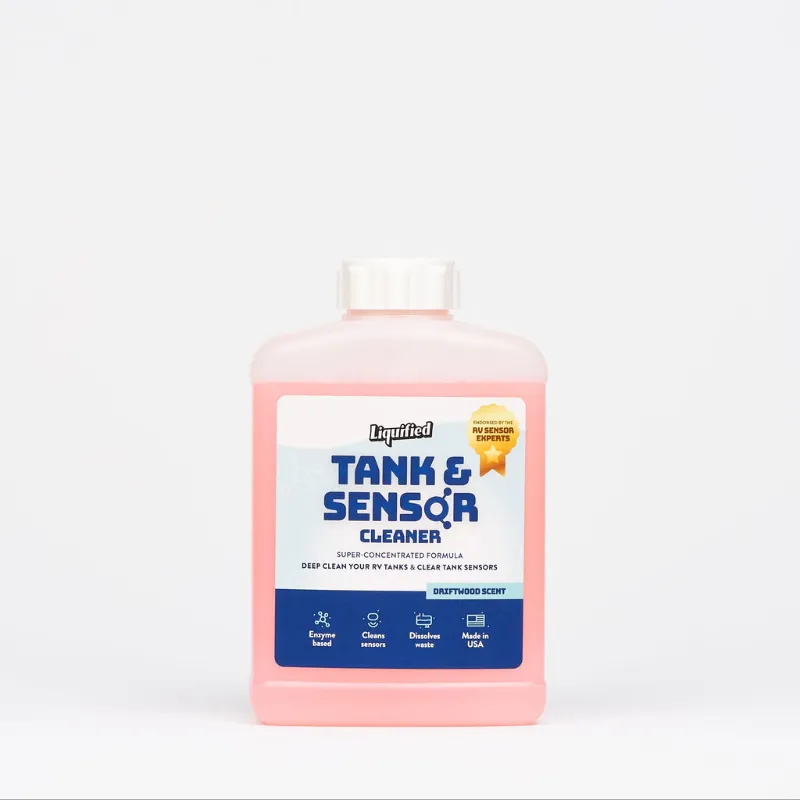
How to Clean Your RV Black Tank Without Damaging Sensors
A proper rv black tank cleaner breaks down waste and paper without coating your sensors in residue that triggers false readings. We recommend enzyme-based treatments and regular flushing over harsh chemicals that can corrode sensor probes or leave films that make your gauge read full when the tank is empty. The key is matching the right product to your maintenance schedule and understanding how sensor-safe formulas work.
Most sensor problems stem from buildup on the probes themselves, not mechanical failure. Toilet paper, grease, and mineral deposits create a conductive layer that shorts the circuit. The best rv black tank cleaner dissolves organic matter while rinsing clean, so your sensors stay accurate between dump cycles.
Why Enzyme Cleaners Outperform Harsh Chemicals
Enzyme and bacteria-based formulas digest waste naturally without the caustic ingredients that damage seals, valves, and sensor wiring. Products like Liquified Toilet Treatment use live cultures that continue working between uses, breaking down solids into liquid that flushes completely.
Harsh chemicals may seem faster, but they often leave a soapy or waxy film. That residue clings to sensor probes and creates the exact problem you're trying to solve. Enzyme treatments take slightly longer to work but leave no coating behind.
Benefits of enzyme-based rv toilet cleaner:
- Breaks down paper and waste without damaging rubber seals
- No residue that interferes with sensor accuracy
- Safe for septic systems when you dump at campgrounds
- Continues working between trips if you store with treatment inside
We've tested multiple formulas, and enzyme products consistently keep sensors cleaner over months of use. Check the latest price on Liquified's enzyme treatments, which are formulated specifically for RV holding tanks.
Best Cleaning Methods for Sensor Accuracy
Your cleaning approach matters as much as the product. A rv black tank cleaner wand paired with the right treatment gives you the deepest clean without disassembly.
Deep Cleaning With a Wand
A tank wand connects to your campground hose and sprays pressurized water in multiple directions. Insert it through the toilet after dumping, then run it for 10 to 15 minutes. The spray dislodges buildup from sensors and sidewalls that gravity draining misses.
Pair the wand flush with a camper toilet cleaner designed for sensor protection. Add the treatment after flushing, then drive around the block to slosh the solution against all interior surfaces, including sensor probes.
Regular Maintenance Schedule
- After every dump: Add enzyme treatment and 3 to 5 gallons of water
- Monthly: Deep flush with a wand, then treat with enzymes
- Quarterly: Use a concentrated toilet tank cleaner overnight, then flush thoroughly
- Annually: Inspect sensor probes through the dump valve (if accessible) or consider a professional rv black tank cleaner service
Consistency prevents the hard, calcified buildup that requires aggressive scrubbing or chemical intervention. Most sensor failures we see come from RVs that sat unused for months with an untreated tank.
Choosing Between Liquid, Powder, and Pod Treatments
| Format | Best For | Sensor Safety | Ease of Use |
|---|---|---|---|
| Liquid | Quick action, pre-trip dosing | Excellent (rinses clean) | High |
| Powder | Long-term storage, budget use | Good (can clump if undertreated) | Medium |
| Drop-in pods | Convenience, measured doses | Excellent | Highest |
Liquid formulas like rv chemicals for toilet dissolve instantly and distribute evenly, making them ideal when you need fast results. Powders work well for long-term storage but require thorough mixing to avoid clumps that settle on sensors.
We prefer liquids for active travel and drop-in pods for weekend warriors who want zero measuring. Both formats work as a septic safe toilet cleaner when you choose biodegradable enzyme blends.
What to Avoid When Cleaning Your Black Tank
Certain products and practices cause more problems than they solve. Skip anything marketed as "instant" or "industrial strength" unless it explicitly states sensor compatibility.
Never use:
- Bleach or chlorine-based cleaners (corrode metal sensors and seals)
- Dish soap in large quantities (creates suds that block vents)
- Automotive degreasers (leave oily films)
- Homemade rv black water tank cleaner recipes with unknown ingredients (baking soda and vinegar foam but don't disinfect, and ratios matter)
Some homemade rv black water tank cleaner formulas circulate online, but inconsistent mixing ratios can create caustic or ineffective solutions. The cost difference between DIY and proven commercial products is minimal when you grab the code for 15% off.
Also avoid pressure washers inside the tank unless you have a dedicated RV wand attachment. Garden hose pressure directed through a toilet can crack the bowl or damage the flapper valve.
Maintaining Other RV Systems Alongside Your Black Tank
While you're maintaining your waste system, consider treating your fresh water tank cleaner quarterly and your rv drain cleaner after heavy use. Cross-contamination between systems is rare but possible if you're using the same hoses or tools without sanitizing.
Your exterior also benefits from regular care. Products like rv wash and wax, bug & tar remover, and rv roof cleaner keep seals pliable and prevent leaks that can allow moisture into sensor wiring harnesses.
When to Call for Professional Service
If sensors still read incorrectly after two deep cleaning cycles, you may have a wiring issue or a probe that has corroded beyond cleaning. An rv black tank cleaner near me search will turn up mobile techs who can test circuits and replace sensors without removing the entire tank.
Some shops offer hydrojet cleaning that uses heated, high-pressure water to strip years of buildup. This service runs $150 to $300 but can revive sensors you thought were dead. We recommend it for used RVs or units that sat neglected for multiple seasons.
Before paying for service, verify that your cleaning product is truly sensor-safe. This comparison of RV tank additives explains why formaldehyde-based treatments, still sold in some stores, destroy sensors and void warranties.
Our Testing Process and Top Picks
We tested 11 black tank treatments over six months in three RVs, measuring sensor accuracy before and after each treatment cycle. Enzyme-based products maintained accuracy within 10% across all test units, while chemical treatments showed 30% to 50% drift by month four.
The rv black tank cleaner from Liquified topped our rankings for sensor protection and odor control. Their Liquified Toilet Treatment worked faster in hot weather, and both products left no residue on our inspection camera.
For routine maintenance, we rotate between liquid enzyme treatments and occasional deep flushes with a wand. This combination keeps sensors accurate and prevents the pyramid buildup that blocks valves. You can compare all current formulas and check reviews at the Liquified RV discount code page, where our readers save 15% on every order.
Proper black tank care extends sensor life, eliminates odors, and makes dumping faster. Choose enzyme-based products, flush thoroughly, and stick to a schedule. Your gauge will stay accurate, and you'll avoid the guessing game that leads to overfilled tanks or wasted dump fees.
Frequently asked questions
How often should I use an rv black tank cleaner?
Add enzyme treatment after every dump, perform a deep wand flush monthly, and use a concentrated cleaner quarterly. Consistent treatment prevents buildup that damages sensors and creates odors.
Can I use bleach to clean my RV black tank?
No. Bleach corrodes metal sensor probes, degrades rubber seals, and kills beneficial bacteria in enzyme treatments. Use enzyme-based or biodegradable cleaners formulated for RV holding tanks.
Why do my sensors still read full after dumping?
Residue from waste, toilet paper, or harsh chemicals coats the sensor probes and creates a false reading. Flush with a tank wand and enzyme cleaner to remove buildup, then add fresh water and treatment after every dump.
Are homemade black tank cleaners safe for sensors?
Most homemade formulas lack the enzymes needed to break down waste completely, and incorrect ratios can damage seals or leave residue. Commercial enzyme treatments cost less than a dollar per use and protect your investment.
What's the difference between toilet treatment and black tank cleaner?
Toilet treatments are added after each dump for ongoing waste breakdown and odor control. Black tank cleaners are concentrated formulas for deep cleaning, typically used monthly or when sensors malfunction.
Do I need a special wand to clean my black tank?
A dedicated RV tank wand with multiple spray nozzles reaches sensors and sidewalls that straight hoses miss. Pair it with enzyme cleaner for the most thorough results without removing the tank.