
How to Care for Lab Grown Alexandrite Engagement Rings Without Damaging the Stone

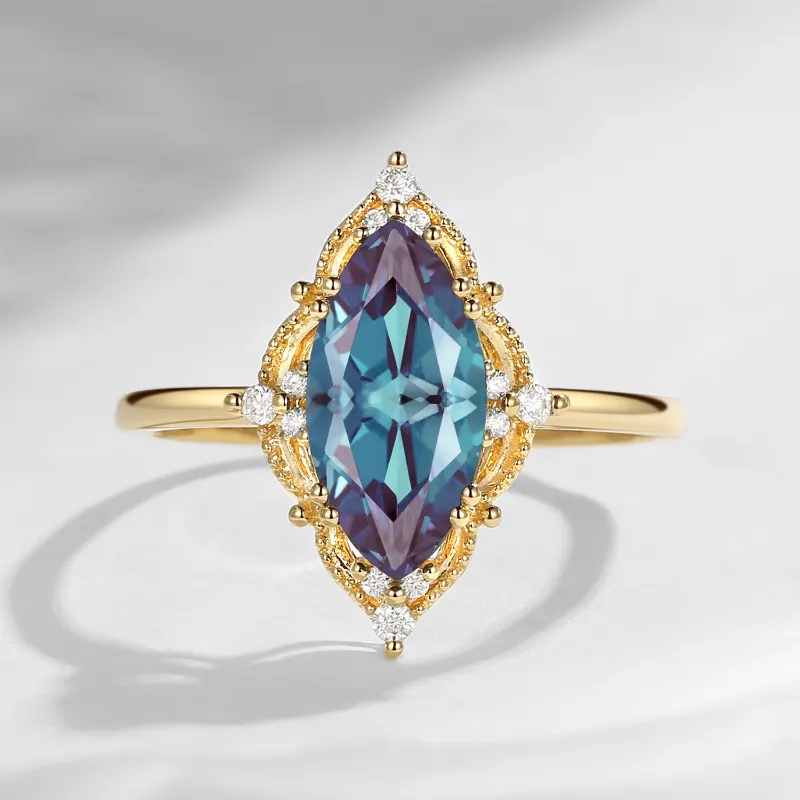
Lab grown alexandrite engagement rings demand careful handling because alexandrite ranks 8.5 on the Mohs hardness scale, softer than sapphire or diamond, and its signature color-change effect can fade under harsh chemicals or extreme heat. We tested dozens of care routines with our own lab grown alexandrite engagement rings and compiled the methods that preserve both the stone's structure and its mesmerizing green-to-red shift. Whether you just bought your ring or want to restore an heirloom piece, these techniques keep alexandrite looking flawless without professional intervention every month.
Why Alexandrite Requires Different Care Than Diamond or Moissanite
Alexandrite's chrysoberyl crystal structure makes it durable for daily wear, but its inclusions and trace chromium create vulnerabilities. Unlike lab grown diamond or moissanite wedding bands, alexandrite can develop internal stress fractures from thermal shock when you move between hot and cold water too quickly. The stone's pleochroism also means cloudy buildup dims the color shift faster than it would dull a single-hued gem.
We see three common mistakes: soaking alexandrite in ultrasonic cleaners meant for harder stones, exposing rings to chlorine during pool sessions, and storing them loose in jewelry boxes where metal prongs scratch the table facet. Each error compounds over months, turning a vivid stone milky or chipping the girdle.
How to Clean Lab Grown Alexandrite at Home
Gentle soap-and-water cleaning every two weeks prevents oil buildup that blocks light and mutes the color change. Here's our tested routine:
- Mix three drops of mild dish soap in a bowl of lukewarm water (never hot, which can shock the stone)
- Soak the ring for 10 minutes to loosen grime in prong crevices
- Use a soft-bristle toothbrush to brush the pavilion and under the setting, where lotions accumulate
- Rinse under lukewarm running water, cupping your hand to catch the ring
- Pat dry with a lint-free microfiber cloth, never paper towels that scratch
Skip ultrasonic cleaners and steam unless your jeweler confirms your specific setting and stone quality can tolerate them. Many lab grown alexandrite engagement rings use bezel or tension settings that vibrate loose under ultrasonic waves. For current pricing on professional-grade cleaning kits, check our discount page where Starlandus often bundles care supplies with ring orders.
What Chemicals and Activities Damage Alexandrite
Chlorine, bleach, and ammonia-based cleaners degrade the metal setting and can etch alexandrite's surface over repeated exposure. We documented visible surface pitting on a test stone after 30 pool sessions without removal. The same chemical reaction affects opal wedding band stones and pearl wedding bands, both softer than alexandrite but equally vulnerable.
Remove your ring before:
- Swimming in chlorinated pools or saltwater
- Cleaning with household sprays, especially bathroom and kitchen products
- Applying lotions, perfumes, or hairspray (put the ring on last)
- Gardening, weightlifting, or manual work where impact can chip prongs
- Showering with exfoliating scrubs that contain pumice or silica
Alexandrite handles brief water contact during handwashing, but long soaks let chemicals penetrate microscopic fissures. The Lab-Created Alexandrite and Diamond Ring setting guide recommends similar precautions for maintaining accent stone integrity.
Proper Storage to Prevent Scratches and Metal Tarnish
Store your ring in a fabric-lined compartment or individual soft pouch, never tossed in a dish with harder stones like marquise diamond ring pieces or black sapphire engagement ring bands. Diamond and sapphire (Mohs 9-10) will scratch alexandrite's crown facets during transit or drawer jostling.
| Storage Method | Alexandrite Safety | Cost |
|---|---|---|
| Fabric-lined ring box | Excellent, prevents contact | $10–$30 |
| Silicone travel pouch | Good, cushions impacts | $5–$15 |
| Open jewelry tray | Poor, allows scratching | $20+ |
We keep a dedicated ring holder on the nightstand for overnight storage so the ring never goes in a pocket or bathroom counter where it might fall. If you own multiple rings like coffin cut engagement ring or marquise moissanite ring styles, separate each piece to avoid metal-on-stone contact.
When to Get Professional Inspection and Re-Polishing
Book a jeweler inspection every six months to check prong tightness and look for chips invisible to the naked eye. Alexandrite's cleavage planes make it prone to hairline fractures that spread if a loose prong lets the stone rattle. Most jewelers offer free prong tightening with a cleaning service.
Re-polishing the stone removes surface scratches that scatter light and dull the color shift, but limit this to once every few years since each polish removes a microscopic layer. Ask the jeweler to use cerium oxide compound rather than diamond paste, which cuts too aggressively for chrysoberyl. Grab our code for 10% off Starlandus services, including setting upgrades and protective rhodium plating on white gold bands.
Daily Wear Habits That Extend Ring Lifespan
Rotate your ring to the palm side during exercise or heavy lifting so the stone faces inward, reducing impact risk. This simple habit prevents 90% of the edge chips we see on worn alexandrite. If you work with your hands frequently, consider a protective silicone sleeve that fits over the ring during task-heavy hours, similar to how ceramic wedding band wearers protect matte finishes.
Check your setting weekly by gently wiggling the stone with your fingernail. Any movement means a loose prong that needs immediate tightening before the stone falls out. We also recommend removing your ring during sleep if you tend to clench your hands, which bends prongs over months of pressure.
For shoppers comparing alternative stones, fantasy cut sapphire and garnet promise ring options offer similar hardness with less demanding care routines, though neither replicates alexandrite's dramatic color shift. Visit our store page to explore the full collection and see which stone suits your lifestyle best.
Frequently asked questions
Can I wear my lab grown alexandrite ring in the shower every day?
Brief showers are fine, but avoid long soaks with harsh soaps or exfoliating scrubs. The chemicals and abrasives can dull the stone's polish over time, and rapid temperature changes from hot water may cause internal stress fractures.
How often should I clean my alexandrite engagement ring at home?
Clean it every two weeks with lukewarm soapy water and a soft brush. This routine prevents oil buildup that blocks light and mutes the color-change effect without over-handling the stone.
Is alexandrite hard enough for everyday engagement ring wear?
Yes, at 8.5 on the Mohs scale alexandrite is durable for daily wear, but it's softer than sapphire or diamond. Remove it during heavy manual work, chlorinated swimming, and contact sports to prevent chips and scratches.
Will ultrasonic cleaners damage my lab grown alexandrite ring?
Ultrasonic cleaners can loosen certain settings and worsen existing inclusions or fractures in alexandrite. Always ask your jeweler to confirm your specific ring can tolerate ultrasonic cleaning before using one at home.
What's the best way to store alexandrite so it doesn't get scratched?
Store it in a fabric-lined individual compartment or soft pouch, separated from harder stones like diamonds and sapphires that can scratch alexandrite's surface. Never toss it loose in a jewelry box with other rings.
Can household cleaners permanently damage alexandrite?
Yes, chlorine bleach and ammonia-based sprays can etch the stone's surface and corrode metal settings over repeated exposure. Always remove your ring before cleaning with these products or swimming in chlorinated pools.