
Opal Wedding Bands: Will They Last for Everyday Wear?

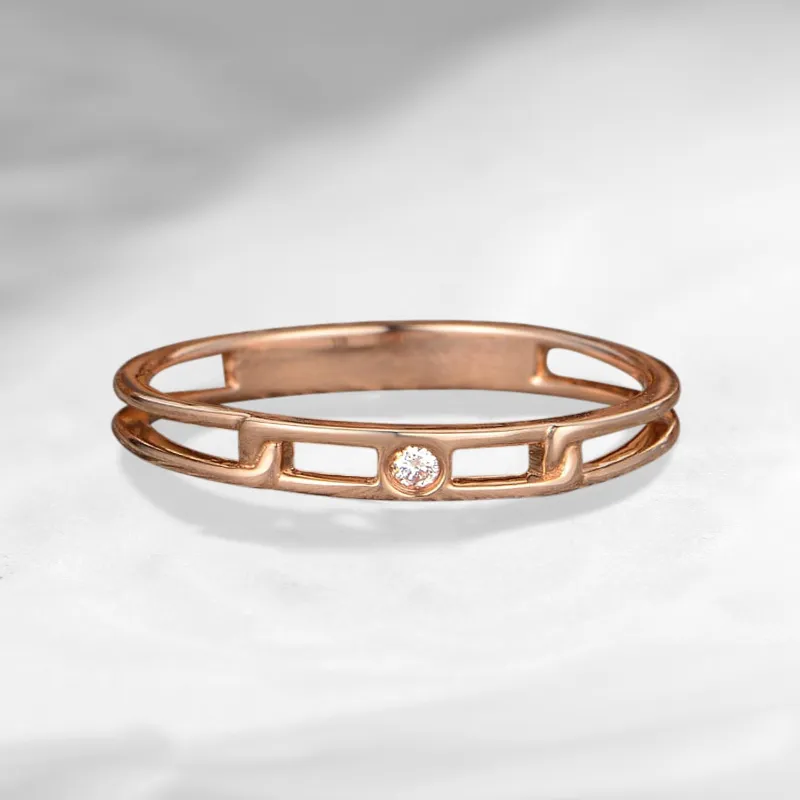
Opal wedding bands are beautiful but require careful consideration because opal ranks only 5.5-6.5 on the Mohs hardness scale, making it vulnerable to scratches and cracks with everyday wear. While the play-of-color in an opal wedding band is undeniably mesmerizing, understanding durability trade-offs helps you decide whether opal suits your lifestyle or whether a harder alternative better fits your needs.
Why Opal Struggles as an Everyday Wedding Band
Opal's relatively soft composition means it scratches easily against surfaces that harder gemstones shrug off. Daily activities like typing, cooking, exercising, or even washing your hands expose your ring to bumps and abrasive particles. Over months and years, these micro-impacts dull the polish and can chip or crack the stone.
Opal also contains water content, typically 3-10%, which makes it prone to drying and crazing (fine internal cracks) if exposed to heat, harsh chemicals, or prolonged dry conditions. A ring worn 24/7 faces sweat, soap, lotions, and temperature swings that accelerate this degradation. For comparison, moissanite wedding bands score 9.25 on the Mohs scale and carry no water content, offering scratch resistance and stability that opal simply cannot match.
Durable Alternatives to Opal Wedding Bands
If you love color and character but need a ring that survives daily wear, several gemstones deliver both beauty and resilience.
- Moissanite wedding bands – Near-diamond hardness, brilliant fire, and available in a range of cuts. Moissanite wedding bands for women offer sparkle without the fragility, and many designs incorporate side stones or halos for extra visual interest.
- Lab grown diamond – A lab grown diamond matches natural diamond's 10 Mohs hardness and works beautifully in minimalist or vintage-inspired settings.
- Black sapphire engagement ring – Sapphire ranks 9 on Mohs, and a black sapphire engagement ring delivers a dramatic, unique look with serious durability.
- Ceramic wedding band – Modern and scratch-resistant, a ceramic wedding band suits active lifestyles and pairs well with colorful inlays or mixed-metal accents.
- Lab grown alexandrite engagement rings – Color-change alexandrite scores 8.5 and offers optical magic without opal's fragility. Lab grown alexandrite engagement rings are ideal for those seeking rare beauty and toughness.
You can check the latest price on these alternatives and compare specs side by side to find the best match for your style and routine.
Protecting Opal If You Choose to Wear It Daily
If you are set on an opal wedding band, protective design choices and mindful habits extend its life significantly.
Design strategies:
- Bezel or flush settings shield the opal's edges and reduce the risk of chipping.
- Halo designs with harder accent stones (like moissanite or sapphire) add a buffer zone around the opal.
- Lower profiles minimize snags and impacts.
Wear and care habits:
- Remove your ring during exercise, household cleaning, gardening, and showering.
- Store it in a soft-lined box away from harder jewelry that could scratch the surface.
- Clean with lukewarm water and a microfiber cloth; avoid ultrasonic cleaners and harsh detergents.
- Schedule annual inspections with a jeweler to check for loose settings or early crazing.
Even with precautions, expect more frequent maintenance and possible replacement compared to harder stones. Many opal enthusiasts reserve their opal wedding band for special occasions and wear a simple metal band or a moissanite wedding band set for everyday activities.
Comparing Opal to Moissanite Wedding Bands
When durability matters, the differences between opal and moissanite are stark.
| Feature | Opal | Moissanite |
|---|---|---|
| Mohs Hardness | 5.5-6.5 | 9.25 |
| Scratch Resistance | Low | High |
| Chemical Stability | Sensitive to heat, soap | Inert, stable |
| Maintenance | Frequent care required | Minimal upkeep |
Moissanite wedding bands white gold or moissanite wedding bands yellow gold deliver the brilliance many associate with engagement jewelry while standing up to years of constant wear. Unique moissanite wedding bands often feature intricate band work, vintage milgrain, or mixed-metal accents that rival opal's visual appeal without the fragility. For budget-conscious couples, moissanite also costs a fraction of diamond while outperforming opal in longevity.
If you value fire and sparkle, a marquise moissanite ring or other fancy cuts offer eye-catching geometry and serious durability. Grab the code for an extra discount on moissanite options at Starlandus.
Who Should Choose Opal Versus a Harder Stone
Opal wedding bands suit individuals who prioritize aesthetics over practicality, work in low-impact environments, or plan to wear the ring only for special events. Artists, designers, and those drawn to organic, one-of-a-kind beauty often accept opal's trade-offs in exchange for its unmistakable color play.
However, if your hands are constantly active, you work with tools or chemicals, or you simply prefer a set-it-and-forget-it accessory, moissanite wedding bands men and women styles, ceramic wedding band designs, or sapphire options are smarter long-term investments. Harder stones mean fewer repairs, less anxiety about damage, and rings that look pristine decades later.
For those who want color without compromise, consider pairing a durable primary wedding band with an opal anniversary ring or right-hand statement piece. Pearl wedding bands occupy a similar niche – stunning but delicate – and benefit from the same occasional-wear approach.
Final Thoughts on Opal Wedding Band Longevity
Opal wedding bands deliver unmatched visual poetry, but their softness and sensitivity make them a challenging choice for 24/7 wear. If you love the idea of color and uniqueness, explore protective settings, commit to vigilant care, or save opal for milestone jewelry rather than your daily wedding band. Alternatively, moissanite wedding bands and other hard gemstones offer brilliant alternatives that combine beauty with the resilience everyday life demands. Weigh your lifestyle honestly, and choose a ring that you will love wearing for years without constant worry.
Frequently asked questions
Can opal wedding bands survive everyday wear?
Opal wedding bands can be worn daily with careful handling, but their 5.5-6.5 Mohs hardness makes them prone to scratches, chips, and crazing over time. Protective settings and removing the ring during high-impact activities extend longevity, but expect more maintenance than harder stones.
What is a more durable alternative to an opal wedding band?
Moissanite wedding bands are an excellent durable alternative, scoring 9.25 on the Mohs scale with brilliant fire and minimal upkeep. Lab grown diamonds, sapphires, and ceramic bands also offer long-lasting beauty without opal's fragility.
How do I protect an opal ring from damage?
Choose bezel or halo settings that shield the opal's edges, remove the ring during cleaning or exercise, and clean it only with lukewarm water and a soft cloth. Avoid ultrasonic cleaners, harsh chemicals, and extreme temperature changes.
Why does opal crack or craze over time?
Opal contains 3-10% water, which can evaporate when exposed to heat, dry air, or chemicals, causing internal cracks called crazing. Its softness also makes it vulnerable to physical impacts that harder gemstones resist.
Are moissanite wedding bands better for active lifestyles?
Yes, moissanite wedding bands are far better for active lifestyles because of their near-diamond hardness and chemical stability. They resist scratches, require minimal care, and maintain their brilliance through years of daily wear.
Should I buy an opal wedding band or save it for special occasions?
If you work with your hands or prefer low-maintenance jewelry, reserve opal for special occasions and choose a harder stone like moissanite or sapphire for your everyday wedding band. Many people wear a durable band daily and switch to opal for events.