
What Is a Fantasy Cut Sapphire and Should You Choose One for Your Ring?

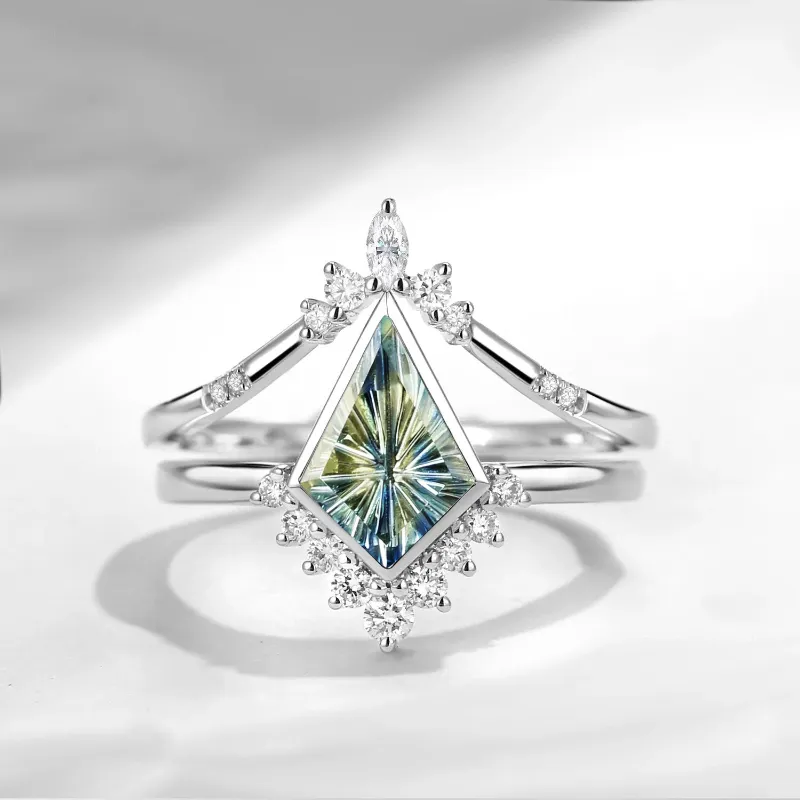
A fantasy cut sapphire is a gemstone shaped with unconventional, artistic faceting that goes beyond traditional round, oval, or emerald cuts. These custom-carved stones feature unique angles, asymmetric patterns, or sculptural designs that transform the sapphire into wearable art. If you want a ring that stands apart from classic styles, a fantasy cut sapphire delivers one-of-a-kind character while keeping sapphire's legendary durability.
What Makes Fantasy Cut Sapphires Different from Traditional Cuts
Traditional sapphire cuts follow standardized faceting patterns optimized for brilliance and symmetry. Round brilliants, cushions, and emerald cuts dominate the market because cutters can predict light performance and minimize waste. Fantasy cuts ignore those conventions in favor of artistic expression.
A fantasy cut gemstone might include:
- Concave facets that curve inward instead of lying flat
- Mixed geometries combining shield, kite, and trillion shapes in one stone
- Sculptural carving with flowing lines and asymmetric profiles
- Portrait or rose window designs inspired by architecture or nature
Because each fantasy cut is essentially a custom design, no two stones look identical even when cut by the same artisan. That exclusivity appeals to buyers who want their ring to reflect personal style rather than mass-market trends. You will find fantasy cut engagement rings and statement pieces that pair these sapphires with minimalist settings, letting the gem take center stage.
Why Choose a Fantasy Cut Sapphire Over Standard Shapes
Fantasy cuts suit buyers who prioritize individuality and are comfortable with trade-offs in availability and setting options. Here is when they shine:
- You want a conversation piece. A fantasy cut sapphire ring draws attention and invites questions in a way a round solitaire never will.
- You value artisan craftsmanship. These stones require hand-cutting by skilled lapidaries, so you are investing in human skill rather than machine precision.
- Your style leans artistic or eclectic. If you pair vintage finds with modern minimalism or collect handmade jewelry, a fantasy cut fits that aesthetic.
Standard cuts still win for maximum brilliance and sparkle. A well-cut round or oval sapphire will reflect more light through the table because facet angles follow optical formulas. Fantasy cuts sacrifice some of that fire for drama and shape. If you want the most light return, stick with traditional cuts or explore a marquise diamond ring or marquise moissanite ring that blends elegance with proven optics.
How Fantasy Cut Sapphires Compare to Other Gemstone Cuts
Fantasy cutting is not exclusive to sapphires. Cutters apply the technique to diamonds, rubies, and softer gems, but durability matters. Sapphire ranks 9 on the Mohs scale, second only to diamond, so intricate facets and thin edges hold up to daily wear. A fantasy cut diamond offers similar toughness, while a fantasy cut ruby (corundum like sapphire) shares that 9-rated hardness.
| Gemstone | Mohs Hardness | Fantasy Cut Suitability |
|---|---|---|
| Sapphire | 9 | Excellent for daily wear |
| Diamond | 10 | Excellent, but pricier to cut |
| Ruby | 9 | Excellent for daily wear |
| Opal | 5.5–6.5 | Risky; soft and prone to chips |
Softer gems like opal or pearl look stunning in fantasy cuts but belong in low-impact pieces like pendants or earrings. For ring stones that endure knocks and scrapes, sapphire and diamond dominate. If you are drawn to color but want durability, consider a black sapphire engagement ring or lab grown alexandrite engagement rings that pair hardness with vivid hues.
Designing a Ring Around a Fantasy Cut Sapphire
Because fantasy cuts break symmetry, setting design requires extra planning. A prong or bezel setting must secure the stone without obscuring its unique silhouette. Here is what works:
- Open-back bezels that let light enter from all angles while protecting edges
- Custom prong placement that follows the stone's contours instead of standard 4- or 6-prong grids
- East-west or floating settings that emphasize the stone's sculptural profile
- Minimalist bands in yellow gold, white gold, or platinum that do not compete visually
Avoid pave halos or busy side stones that distract from the main gem. The fantasy cut itself is the statement. If you need design inspiration or want to grab the code for 10% off your order, we have verified Starlandus discounts that apply to loose stones and custom settings.
Caring for and Maintaining Fantasy Cut Gemstone Rings
Fantasy cuts can feature thin points, sharp corners, or delicate concave facets that demand careful handling. Sapphire is tough, but a hard blow to a fragile edge can still chip the stone.
Daily care tips:
- Remove your ring during heavy lifting, gardening, or gym sessions.
- Store it separately in a soft pouch to prevent scratches from other jewelry.
- Clean with warm water, mild dish soap, and a soft brush; avoid ultrasonic cleaners if the stone has inclusions or the setting includes glued components.
- Inspect prongs or bezels every six months. Custom settings sometimes need tightening sooner than mass-produced mounts.
If your fantasy cut sapphire ring pairs with a moissanite wedding band or ceramic wedding band, check that the bands do not rub against the sapphire's edges during daily wear. A jeweler can add slight spacing or adjust the profile to prevent abrasion.
Where to Buy and How to Verify Quality
Fantasy cut sapphires come from independent lapidaries and specialty gem dealers rather than chain retailers. When shopping online, look for:
- Video or 360-degree views that show the cut from multiple angles
- Certification or origin details confirming natural or lab-grown status
- Return policies that let you inspect the stone in person before committing
Starlandus offers curated loose sapphires and custom design services. You can check the latest price on their site and apply our exclusive discount at checkout. Pair your fantasy cut with complementary pieces like a coffin cut engagement ring if you want a second statement ring, or keep the band simple to let the sapphire dominate.
Fantasy cuts do not follow grading reports the way traditional diamonds do, so trust your eye and ask questions about the cutter's process. A reputable seller will share the artisan's name and explain how the design enhances the sapphire's natural color and clarity.
Frequently asked questions
What is a fantasy cut sapphire?
A fantasy cut sapphire is a gemstone shaped with unconventional, artistic faceting that breaks from traditional round, oval, or emerald cuts. These custom designs feature unique angles, concave facets, or sculptural patterns that make each stone one of a kind.
Are fantasy cut sapphires more fragile than traditional cuts?
Fantasy cuts can have thinner edges or sharp points that are more vulnerable to chips, but sapphire's 9 Mohs hardness makes it durable enough for daily wear. Proper setting design and careful handling keep the stone safe.
Do fantasy cut gemstones sparkle less than round cuts?
Yes, fantasy cuts often sacrifice some brilliance for visual drama and unique shape. Traditional round and oval cuts are optimized for light return, while fantasy cuts prioritize artistic design over maximum sparkle.
Can I find fantasy cut sapphires at regular jewelry stores?
Most chain retailers do not carry fantasy cuts because they are custom-carved by independent lapidaries. You will need to shop with specialty gem dealers or online stores that source from artisan cutters.
How do I choose a setting for a fantasy cut sapphire ring?
Work with a jeweler who can design custom prong or bezel placements that follow the stone's unique contours. Open-back settings and minimalist bands let the fantasy cut take center stage without visual competition.
Are fantasy cut engagement rings more expensive?
They can be, because hand-cutting a fantasy design takes more time and skill than machine-cutting standard shapes. However, the final cost depends on the sapphire's size, color, and clarity as much as the cutting labor.