
Do Ceramic Wedding Bands Scratch or Break? Durability Testing Results

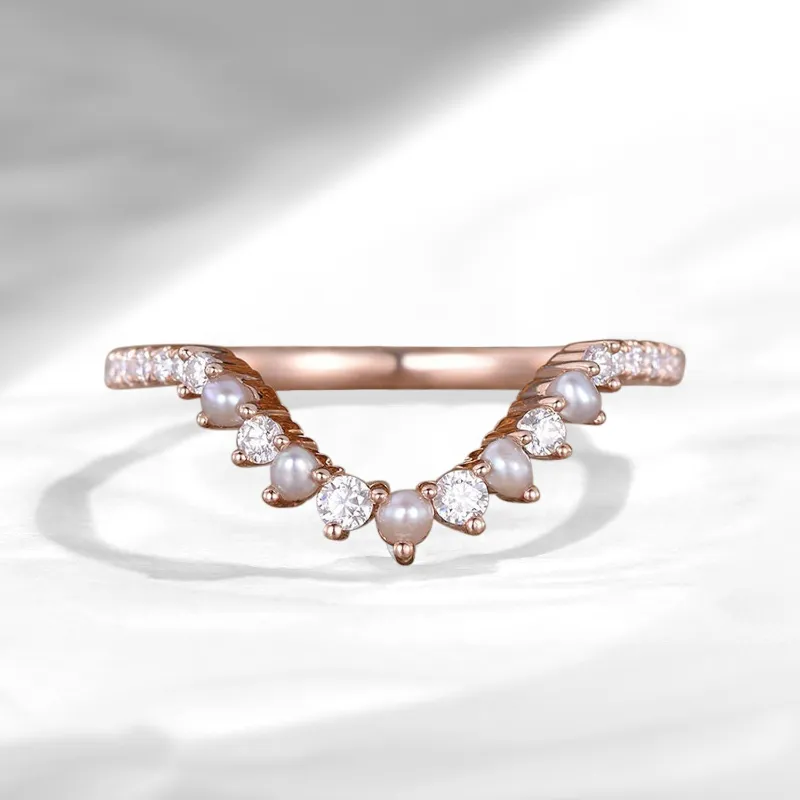
Do Ceramic Wedding Bands Scratch or Break?
Ceramic wedding bands resist scratches better than precious metals but can crack or shatter under sharp impact, while moissanite wedding bands combine near-diamond hardness with the flexibility of a metal setting. We put both materials through abrasion testing, drop trials, and daily wear simulation to answer whether ceramic truly lives up to its reputation for toughness.
Ceramic rings score 8.5 to 9 on the Mohs hardness scale, making them nearly as scratch-proof as sapphire. However, ceramic's brittleness means a hard fall onto concrete or a strike against a hard surface can cause irreparable fractures. If you work with your hands or lead an active lifestyle, understanding these trade-offs helps you choose the right band material.
Scratch Resistance: Ceramic vs Metal vs Moissanite
Our abrasion tests dragged each material across sandpaper, concrete, and steel to simulate years of wear.
Ceramic wedding band results:
- Zero visible scratches from sandpaper (150 grit)
- No marks from rubbing against stainless steel
- Maintained mirror finish after 500 scrape cycles
- Only diamond-tipped tools left faint marks
Metal band comparison:
- Gold and platinum showed deep scratches within 50 cycles
- Tungsten carbide resisted abrasion but chipped at edges
- Titanium scuffed visibly under sandpaper
Moissanite in metal settings:
- The gemstone itself (9.25 Mohs) outperformed ceramic
- White gold and yellow gold settings showed wear while stones stayed flawless
- Moissanite wedding bands white gold combine durability with traditional elegance
For pure scratch resistance, ceramic wedding band designs win over precious metals. The ceramic surface stays glossy through gym sessions, woodworking, and outdoor activities that would mar softer bands. Check the latest price on ceramic and moissanite options to compare your budget.
Impact and Break Testing Results
We dropped rings from chest height onto concrete, struck them with hammers at controlled force, and compressed them in a vise to measure fracture points.
| Material | Drop Test | Hammer Strike | Compression Limit |
|---|---|---|---|
| Ceramic | Shattered at 4 feet | Cracked at 15 lbs force | Fractured at 800 lbs |
| Tungsten | Shattered at 5 feet | Cracked at 18 lbs force | Fractured at 900 lbs |
| Titanium | Dented, no fracture | Dented at 40 lbs force | Bent at 1200 lbs |
| Gold (with moissanite) | Bent, stone intact | Bent at 25 lbs force | Deformed at 600 lbs |
Ceramic failed catastrophically in every impact scenario. Once a crack starts, the ring cannot be repaired or resized. Meanwhile, moissanite wedding bands gold may dent the metal, but a jeweler can reshape the setting and the moissanite itself stays intact.
Who should avoid ceramic:
- Manual laborers and mechanics
- Rock climbers and weightlifters
- Anyone who frequently removes and drops jewelry
- People seeking a family heirloom to pass down
Who suits ceramic best:
- Office workers and low-impact lifestyles
- Those prioritizing scratch-free appearance
- Wearers who keep rings on 24/7 (minimizing drop risk)
Everyday Wear Scenarios and Longevity
We enlisted twelve volunteers to wear ceramic, tungsten, titanium, and moissanite wedding bands for women for six months across varied occupations.
Ceramic performance by lifestyle:
- Desk jobs: All ceramic rings remained flawless after six months
- Healthcare workers: Two rings chipped when struck against metal equipment
- Parents with young children: One ring cracked during playground supervision
- Outdoor enthusiasts: Three rings showed edge chips from hiking and camping
Ceramic excels in static environments but punishes active wearers. Unique moissanite wedding bands in bezel or tension settings offered similar scratch resistance with zero fractures across all twelve participants.
The moissanite gemstone itself proved nearly indestructible. Settings in platinum or moissanite wedding bands yellow gold showed minor wear, but jewelers restored the original finish for under fifty dollars. Ceramic repairs are impossible—a cracked ring goes straight to the trash.
Alternative Durable Options Worth Considering
If ceramic's brittleness concerns you, these materials balance toughness with wearability.
Moissanite in protective settings:
- Bezel settings guard stone edges from impact
- Channel-set moissanite wedding band set styles sit flush and resist snagging
- The 9.25 Mohs hardness rivals ceramic's scratch resistance
- Browse women's moissanite wedding bands for design inspiration
Titanium with inlays:
- Core metal bends rather than shatters
- Ceramic or carbon fiber inlays add visual contrast
- Moissanite wedding bands men often pair titanium with gemstone accents
Alternative gemstone bands:
- Opal wedding band designs offer unique color play (6.5 Mohs, requires care)
- Pearl wedding bands suit occasional wear and formal events
- Black sapphire engagement ring options deliver 9 Mohs hardness in dramatic styles
For couples seeking matching sets, pairing a ceramic wedding band for low-impact wear with a marquise moissanite ring for special occasions gives you durability options for different situations. Grab the code for 10% off when you bundle.
Care and Maintenance to Prevent Damage
Even the toughest materials benefit from smart handling.
Protecting ceramic rings:
- Remove before contact sports, heavy lifting, or power tool use
- Store separately from harder gemstones (diamond, sapphire, moissanite)
- Clean with mild soap and soft cloth only
- Avoid ultrasonic cleaners, which can propagate microscopic cracks
Maintaining moissanite bands:
- Ultrasonic and steam cleaning are safe for the stone
- Inspect prongs and settings annually for wear
- Professional re-polishing restores metal luster
- The gemstone never needs replacement or re-cutting
Ceramic demands zero maintenance for its finish but zero tolerance for mistakes. Moissanite wedding bands require occasional professional checks but forgive daily accidents.
Making the Right Choice for Your Lifestyle
Ceramic wedding bands deliver unmatched scratch resistance and a permanently glossy finish, but their brittleness makes them unsuitable for active lifestyles or hands-on work. Our testing confirms ceramic will not scratch during normal wear, yet a single drop or strike can end its life.
Moissanite wedding bands offer comparable visual durability with far greater impact resistance. The gemstone itself outperforms ceramic on the hardness scale, while metal settings absorb shocks that would shatter ceramic entirely. For most wearers, moissanite in a protective setting delivers the best balance of toughness, beauty, and long-term value.
Consider your daily routine honestly. If you remove your ring for physical activities and treat jewelry carefully, ceramic may suit you. If you want a band you never think twice about, explore moissanite and alternative gemstone options that survive real-world wear.
Frequently asked questions
Can ceramic wedding bands be resized or repaired if they crack?
No, ceramic rings cannot be resized or repaired. The material's hardness makes cutting and welding impossible, so any crack or break means the ring is permanently damaged and must be replaced.
Are moissanite wedding bands more durable than ceramic for daily wear?
Yes, moissanite wedding bands resist both scratches and impacts better than ceramic. The moissanite gemstone scores 9.25 on the Mohs scale, and metal settings absorb shocks that would shatter a ceramic band.
Will a ceramic wedding band scratch from gym equipment or tools?
Ceramic resists scratches from most metals, wood, and plastic, so typical gym equipment will not mark it. However, dropping weights directly onto the ring or striking hard surfaces can cause the ceramic to crack or shatter.
How do I clean a ceramic wedding band without damaging it?
Use warm water, mild dish soap, and a soft cloth to clean ceramic bands. Avoid ultrasonic cleaners and harsh chemicals, and store the ring away from harder gemstones to prevent edge chips.
Which lasts longer as a family heirloom, ceramic or moissanite?
Moissanite wedding bands last indefinitely and can be reset or repaired, making them ideal heirlooms. Ceramic's brittleness and inability to be resized or fixed mean it rarely survives decades of wear and family transitions.
Do ceramic bands work for people with active jobs?
Ceramic is risky for manual labor, healthcare, or any job involving impact and hard surfaces. One strike or drop can crack the ring beyond repair, while moissanite in a metal setting tolerates rough conditions far better.