
How to Choose Between Leather vs Nylon Weightlifting Belts for Your Training Style

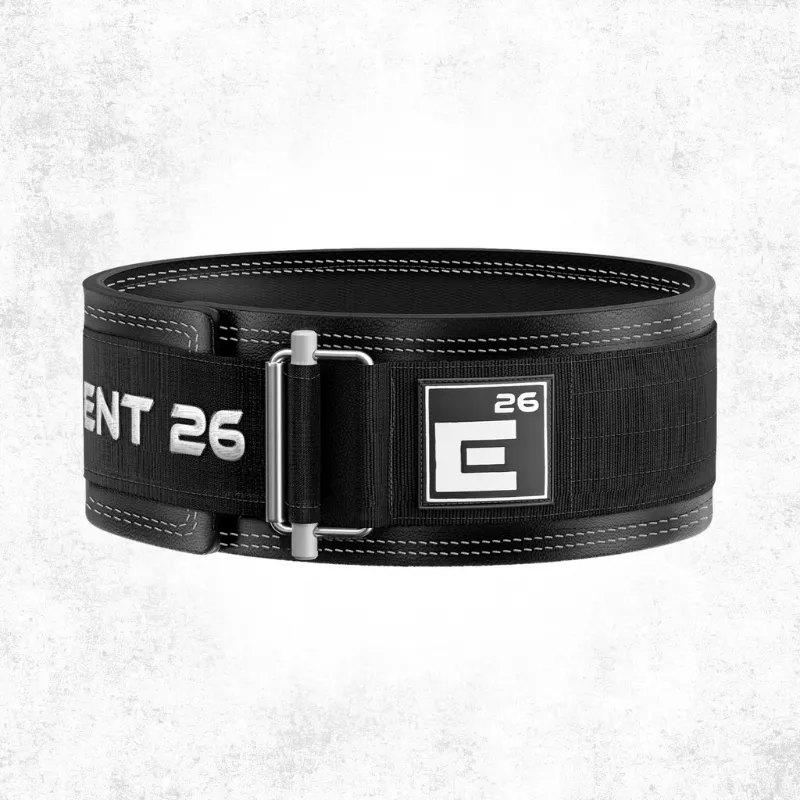
Understanding the Nylon Weightlifting Belt vs Leather Debate
A nylon weightlifting belt provides faster adjustability and greater breathability than leather, making it ideal for high-rep Olympic lifts and CrossFit-style workouts. Leather belts offer superior rigidity and long-term durability for powerlifting and max-effort compound movements. The best weight lifting belt for your training depends on your primary lifting style, comfort preferences, and how often you change exercises mid-session.
We tested both materials across squat cycles, clean-and-jerk sessions, and accessory work to identify which belt type suits each scenario. Whether you need the quick-release convenience of velcro belts or the locked-in support of a lever weightlifting belt, this guide walks you through the core differences so you can match your gear to your goals.
Material Breakdown: Nylon vs Leather Construction
Nylon belts use woven synthetic fibers that flex with your torso while still providing intra-abdominal pressure during the brace. They typically feature a Velcro or hook-and-loop closure that lets you dial in tension in seconds, then release just as fast between sets or exercises. This makes a nylon weightlifting belt especially practical for circuit training, metcons, or any session where you alternate between lifts and bodyweight movements.
Leather belts are built from thick, vegetable-tanned or full-grain hides that break in over weeks of use. Once seasoned, leather molds to your torso shape and delivers maximum stiffness against heavy loads. Most leather options use a single- or double-prong buckle or a lever mechanism. Lever systems lock into a preset hole for consistent tightness, while prong buckles allow micro-adjustments hole by hole.
Key trade-offs at a glance:
| Feature | Nylon | Leather |
|---|---|---|
| Adjustability | Infinite micro-adjustment via Velcro | Fixed holes (prong) or single setting (lever) |
| Break-in period | Ready to use immediately | 2–4 weeks to soften and conform |
| Breathability | High; wicks moisture | Low; traps heat against skin |
| Rigidity | Moderate flex | Maximum stiffness for bracing |
Experts at BarBend note that nylon belts shine in dynamic, high-rep environments, while leather remains the gold standard for one-rep-max attempts and progressive overload programs.
Closure Systems: Velcro, Prong, and Lever Compared
Velcro (hook-and-loop) closures dominate the nylon category. You wrap the belt snugly, press the flap down, and you're set. Between exercises you peel it open in under a second, which is invaluable during supersets or timed workouts. The downside is that Velcro can lose grip over time if exposed to chalk dust or lint, so regular cleaning extends lifespan.
Prong buckles, common on both leather and some reinforced nylon designs, thread through one or two metal prongs and lock into a row of holes. Single-prong systems are faster; double-prong systems distribute pressure more evenly but take longer to fasten. If your waist measurement fluctuates or you share a belt, prongs offer more flexibility than a fixed lever.
Lever belts use a cam-lock lever that snaps into a pre-drilled hole. Once you set your size, every lift uses the same tightness, ensuring consistency across sessions. Changing the hole requires a screwdriver, so levers work best if your waist stays stable and you rarely lend your belt to training partners.
We recommend starting with a nylon Velcro option like our velcro belts if you're new to bracing or training in a fast-paced gym environment. Once you settle into a dedicated strength block, consider adding a lever weightlifting belt for your heaviest squat and deadlift days. Grab the code to save 10% on either style at Element 26.
Choosing by Training Style and Lifting Goals
Olympic Weightlifting and CrossFit: Snatches, cleans, thrusters, and box jumps demand a belt that moves with you and comes off quickly. A tapered weightlifting belt in nylon stays narrow at the front to avoid digging into your hips during the catch position. The instant on-off of Velcro means you can strip the belt for pull-ups or burpees without wasting transition time.
Powerlifting and Strength Cycles: Back squats, deadlifts, and bench-press work benefit from maximum core stiffness. A 10 mm or 13 mm leather belt with uniform width all the way around creates a rigid wall for your abs and obliques to push against, increasing intra-abdominal pressure and spinal stability. Pair a quality leather belt with lifting tape on your thumbs for hook-grip support during warm-up sets.
General Fitness and Bodybuilding: If your program mixes compound lifts with isolation moves, cables, and machines, a nylon weightlifting belt offers the best of both worlds. You get enough structure for working sets of squats and Romanian deadlifts, plus the comfort to keep it on through accessory circuits. Many gym-goers also appreciate the lower price point of nylon compared to premium leather.
For athletes who train multiple modalities, owning both types lets you match the tool to the task. Keep your leather belt in the gym bag for dedicated leg or back days, and throw the nylon option in your duffel for classes or travel workouts. You can check the latest price on both styles and stack savings with our exclusive Element 26 discount code.
Fit, Sizing, and Comfort Considerations
Most belts run in 2-inch increments (Small through 3XL), with some brands offering a 3xl weight lifting belt for larger torsos. Measure your waist at navel height while standing relaxed, then consult the manufacturer's size chart. Nylon belts with Velcro closures typically offer 6 to 10 inches of overlap, so they accommodate slight fluctuations in body composition without needing a new belt.
Leather belts require a more precise fit because you're locked into fixed holes. If you order a prong belt, aim for the middle hole at your current measurement so you have room to tighten or loosen as needed. Lever belts demand even tighter sizing, since adjusting the hole is a manual process.
Width and taper also affect comfort. A uniform 4-inch width provides maximum surface area for bracing but can dig into your ribs or hips if you have a shorter torso. Tapered designs drop to 2.5 or 3 inches at the front, reducing interference during overhead movements and deep squats. Athletes under 5'6" or with shorter torso-to-leg ratios often prefer a tapered nylon weightlifting belt for unrestricted hip flexion.
Break-in tips for leather:
- Wear the belt around the house for 15 to 20 minutes daily during the first week.
- Roll it tightly (inside-out) and secure with a resistance band overnight to soften the fibers.
- Apply a leather conditioner if the hide feels dry or cracks appear at stress points.
Nylon requires zero break-in. Unbox it, adjust the Velcro, and start lifting. Pair your new belt with crossfit hand grips or gymnastic hand grips if you're tackling pull-ups and toes-to-bar in the same session.
Care, Maintenance, and Longevity
Nylon belts tolerate sweat and moisture better than leather, but the Velcro needs regular attention. After every few sessions, brush off chalk dust and lint with a stiff nylon brush or an old toothbrush. Hand-wash the belt in cold water with mild detergent every month, then air-dry flat. Avoid machine dryers, which can shrink the nylon webbing and weaken the adhesive backing on the Velcro.
Leather belts should never be soaked. Wipe them down with a damp cloth after heavy training, then let them dry at room temperature away from direct sunlight or heat sources. Once every few months, apply a thin coat of leather conditioner or mink oil to prevent cracking. Store leather belts flat or loosely rolled, never folded, to preserve the hide's integrity.
Expected lifespan:
- Nylon with Velcro: 1 to 3 years of daily use before the closure loses grip or the webbing frays.
- Leather with prong: 5 to 10 years with proper care; the leather will outlast the buckle hardware in most cases.
- Leather with lever: 5 to 10 years for the belt; the lever mechanism may need replacement or tightening after 3 to 5 years of heavy use.
If you train six days a week and cycle between strength, Olympic lifting, and conditioning, owning a meane gene belt in leather for max days and a nylon option for volume work extends the life of both. Rotating belts also gives each one time to air out, reducing odor buildup. Keep wrist sweat bands or a sweatband wrist handy during high-rep sessions to minimize moisture transfer onto your belt.
Making Your Final Decision
Start by listing your three most frequent lift types. If two or more are dynamic, high-rep, or require frequent torso rotation, a nylon weightlifting belt will serve you better day-to-day. If your program centers on progressive overload in the squat, deadlift, and bench press, invest in a quality leather belt with a prong or lever closure.
Budget and storage also matter. Nylon belts typically cost 30 to 50 percent less than leather and pack flat into a gym bag without adding bulk. Leather belts are heavier and stiffer, so they demand dedicated space. For home-gym athletes, that's rarely an issue; for those who commute to a commercial facility or box, packability can tip the scales toward nylon.
Finally, consider your timeline. A leather belt is a multi-year investment that rewards patience during the break-in phase. A nylon belt delivers immediate comfort and performance, though you'll likely replace it sooner. Many serious lifters visit our discount page to pick up one of each, using the 10% sitewide Element 26 code to offset the cost of a two-belt rotation.
Garage Gym Reviews and Men's Fitness both highlight that the best nylon weightlifting belt and the best leather belt can coexist in a well-rounded training arsenal. Match your primary belt to your primary goal, then add a second option as your training evolves.
Frequently asked questions
What is the main advantage of a nylon weightlifting belt over leather?
Nylon belts offer instant adjustability via Velcro closures and superior breathability, making them ideal for high-rep workouts, Olympic lifts, and circuit training where you need to remove the belt quickly between exercises.
How long does it take to break in a leather lifting belt?
Most leather belts require two to four weeks of regular use to soften and conform to your torso. You can speed up the process by wearing the belt around the house, rolling it tightly overnight, and applying leather conditioner to dry areas.
Can I wash a nylon weightlifting belt in the washing machine?
Hand-washing in cold water with mild detergent is safer than machine washing, which can shrink the webbing and damage the Velcro adhesive. Always air-dry flat and never use a machine dryer.
Which closure type is fastest during a timed CrossFit workout?
Velcro closures are the fastest, allowing you to tighten or release the belt in under a second. Prong and lever systems require more time to fasten and adjust between movements.
Do I need different belt widths for squats versus Olympic lifts?
A uniform 4-inch belt maximizes bracing surface for heavy squats and deadlifts. A tapered design that narrows at the front reduces interference during cleans, snatches, and deep overhead squats, especially if you have a shorter torso.
How often should I replace a nylon lifting belt?
With daily use, expect one to three years before the Velcro loses grip or the nylon webbing frays. Regular cleaning and proper storage can extend lifespan, but nylon belts wear out faster than leather.