
Wrist Sweatbands for Lifting: Do They Actually Improve Grip and Performance?

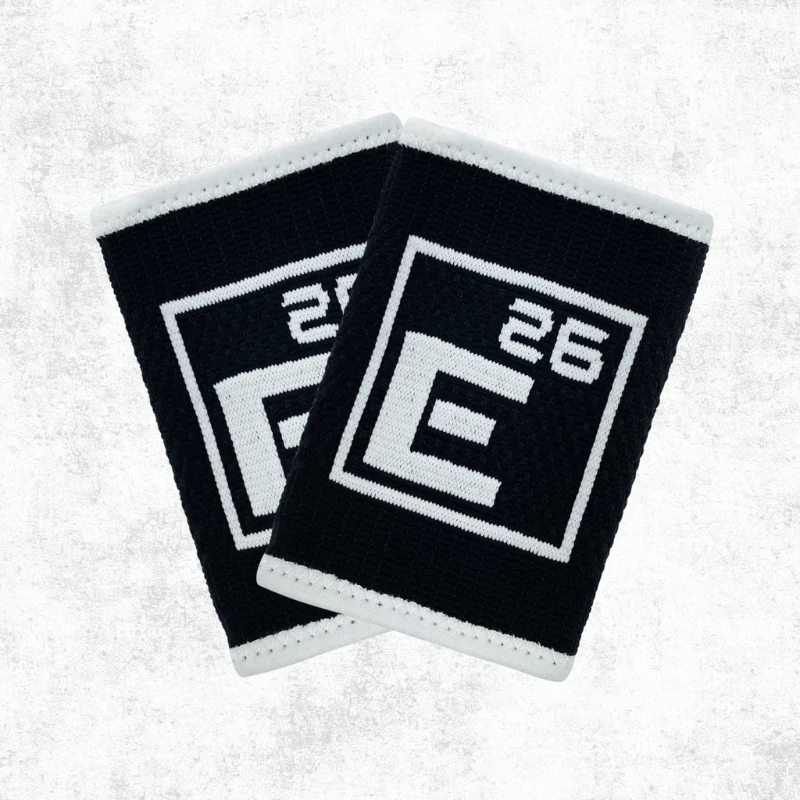
Do Wrist Sweatbands Actually Improve Lifting Performance?
Yes, a sweatband wrist improves grip and performance by absorbing sweat before it reaches your palms and the barbell. When you lift heavy, sweat runs down your forearms straight onto your hands, creating a slippery surface that compromises your hold. Wrist sweatbands intercept that moisture at the source, keeping your grip dry and secure through high-rep sets and max-effort lifts.
We tested sweat wristbands during CrossFit WODs, Olympic lifting sessions, and endurance training to see whether the performance claims hold up. The results were clear: they reduce bar slippage, protect knurling from corrosion, and eliminate the need to stop mid-set to wipe your hands.
How Sweatband Wrist Accessories Work During Heavy Lifts
Wrist sweatbands sit at the exact point where sweat flows from your forearm toward your hand. They absorb moisture in real time, creating a barrier that keeps your palms dry without chalk or constant towel breaks.
Key performance benefits:
- Grip security – Dry palms maintain full contact with the bar during deadlifts, cleans, and snatches
- Equipment protection – Absorbs corrosive salt and acids before they reach the knurling or coating
- Focus retention – No interruptions to shake out sweat or re-chalk between reps
- Minimal bulk – Thin enough to fit under lifting tape or wrist wraps without interference
The best wrist sweatbands use cotton-polyester blends that wick moisture away from the skin rather than just trapping it against your wrist. Terry cloth loops are absorbent but dry slowly; moisture-wicking fabrics pull sweat into the outer layer where air circulation evaporates it faster.
Sweatband Wrist vs Hand Grips: Which Solves Your Problem?
Wrist sweatbands and hand grips address different lifting challenges. Sweatbands manage moisture, while grips protect your palms from friction and tearing.
| Issue | Solution | Best For |
|---|---|---|
| Sweat dripping to palms | Wrist sweat bands | High-rep Olympic lifts, running |
| Blisters and callus tears | Hand grips | Pull-ups, gymnastic movements |
| Both sweat and friction | Both accessories together | CrossFit, endurance WODs |
Many lifters pair crossfit hand grips with a sweatband wrist for complete protection. The sweatband keeps moisture away from the bar, while the grips shield your palms during high-volume pull-ups, toes-to-bar, and muscle-ups. This combination is especially effective during metcons where you transition between barbell work and gymnastic movements without time to dry your hands.
If your main complaint is slippery bars during clean-and-jerks or snatches, start with wrist sweatbands. If you are tearing calluses on the rig, prioritize gymnastic hand grips first. For athletes who train in humid gyms or sweat heavily, both become essential.
Material and Design Features That Actually Matter
Not all wrist sweatbands perform the same under load. We found three features that separate functional training accessories from generic athletic sweatbands.
1. Absorbency and wicking speed Cotton-polyester blends (70/30 or 80/20) absorb sweat fast and dry between sets. Pure cotton holds more total moisture but stays damp longer. Synthetic fabrics dry fastest but can feel slippery when saturated. Brands like Compressport and Wilson engineer their bands specifically for moisture transfer, not just absorption.
2. Width and coverage Narrow bands (2 inches) work for light training but saturate quickly during heavy volume. Wide bands (3 to 4 inches) cover more forearm surface and absorb significantly more sweat before needing a break to dry. Wider options are better for wrist sweatbands crossfit athletes and runners who train in heat.
3. Compression and stay-put fit Elastic that maintains tension without cutting circulation keeps the band positioned at your wrist crease where sweat flow is heaviest. Loose bands slide up your forearm and miss the moisture; overly tight bands restrict blood flow and cause discomfort during long sessions.
Element 26 designs their sweatbands with lifters in mind, balancing absorbency with low-profile fit so they layer under wrist wraps or velcro belts without bunching. Check the latest price to see current options and bundles.
When to Wear Sweatbands and When to Skip Them
Wrist sweatbands shine in specific training contexts but are not necessary for every lift.
Wear them during:
- High-rep Olympic lifts (cleans, snatches, jerks)
- EMOM and AMRAP workouts with minimal rest
- Outdoor training or humid gym environments
- Barbell cycling where grip endurance matters
- Running intervals mixed with lifting (wrist sweatbands for running keep forearm sweat off your face when you wipe)
Skip them for:
- Max-effort singles where you have time to dry hands between attempts
- Low-sweat sessions in climate-controlled spaces
- Lifts where you prefer full wrist mobility without any fabric layer
Some lifters wear sweatbands only on their dominant arm or the arm that sweats more. Asymmetric use is common and works fine as long as both hands stay dry on the bar.
Pairing Sweatbands with Other Lifting Accessories
Wrist sweatbands stack well with most lifting gear when worn in the right order.
Layering guide:
- Sweatband closest to skin
- Lifting tape over the sweatband if you need thumb or wrist reinforcement
- Wrist wraps over everything for heavy pressing or front squats
This order keeps the absorbent layer against your skin where it intercepts sweat first, while tape and wraps provide structural support on top. Never put the sweatband over your wraps; it will not reach the sweat source and adds bulk without benefit.
If you wear a meane gene belt or other lifting belt, the sweatband stays on your wrist and does not interfere with belt positioning. Some lifters also wear moisture-wicking shirts like the hunt lift eat tee or element shirt to reduce total sweat production, creating a layered moisture-management system.
Care and Maintenance to Extend Lifespan
Wrist sweatbands absorb salt, oils, and bacteria with every session. Proper care keeps them effective and prevents odor buildup.
Washing routine:
- Rinse in cold water immediately after training to flush out salt
- Machine wash on gentle cycle with mild detergent every 2 to 3 uses
- Air dry flat; high heat breaks down elastic fibers
- Replace every 3 to 6 months depending on training frequency
Sweatbands lose absorbency as the fabric saturates with residue. If water beads on the surface instead of soaking in, the band is spent and needs replacement. Keeping a rotation of two or three pairs lets you wash one set while the other dries, so you always have a fresh pair ready.
Grab the code for 10% off sitewide at Element 26, including all wrist and hand accessories, so you can stock up without paying full retail.
Who Benefits Most from Wrist Sweatbands
Wrist sweatbands are not universal, but certain athletes see measurable performance gains.
Best suited for:
- CrossFit athletes who cycle barbells at high speed
- Olympic weightlifters training in non-air-conditioned gyms
- Runners who lift (sweat bands for wrist near me searches spike among hybrid athletes)
- Heavy sweaters who chalk excessively and still lose grip
- Lifters who want to protect expensive barbells from corrosion
If you rarely sweat during training or lift in a cold environment, sweatbands will feel unnecessary. But if you have ever lost your grip mid-pull because your hands were soaked, or if you have watched rust form on your barbell knurling after a humid session, wrist sweatbands solve both problems at once.
We recommend starting with a single pair from Element 26 to test whether they fit your training style. Many lifters discover they wish they had added wrist sweatbands years earlier once they experience the grip-security difference firsthand.
Frequently asked questions
Do sweatband wrist accessories actually keep your hands dry during heavy lifts?
Yes, wrist sweatbands absorb sweat at the forearm before it runs down to your palms, keeping your grip dry and secure on the bar. They work best during high-rep sets and humid training environments where sweat flow is heaviest.
Can I wear wrist sweatbands under wrist wraps or lifting tape?
Absolutely. Wear the sweatband closest to your skin, then layer lifting tape or wrist wraps over it. This order keeps the absorbent fabric against your forearm where it intercepts moisture first, while the wraps provide structural support on top.
How often should I replace my wrist sweatbands?
Replace wrist sweatbands every 3 to 6 months depending on training frequency. When water stops soaking in and beads on the surface instead, the fabric has lost absorbency and needs replacement.
Are wrist sweatbands better than chalk for grip during Olympic lifts?
They serve different purposes. Chalk increases friction between your palm and the bar, while sweatbands prevent moisture from reaching your hands in the first place. Many lifters use both together for maximum grip security during high-volume barbell cycling.
What is the difference between crossfit hand grips and wrist sweatbands?
Hand grips protect your palms from blisters and callus tears during pull-ups and gymnastic movements, while wrist sweatbands absorb forearm sweat to keep your grip dry. Pair both for complete protection during metcons that mix barbell and bodyweight work.
Do I need wide or narrow wrist sweatbands for heavy lifting?
Wide bands (3 to 4 inches) absorb more sweat and last longer during high-volume training, making them better for CrossFit and endurance WODs. Narrow bands (2 inches) work for lighter sessions but saturate faster in humid conditions.