
Element 26 Hand Grips vs CrossFit Hand Grips: Which Grip Style Protects Better?

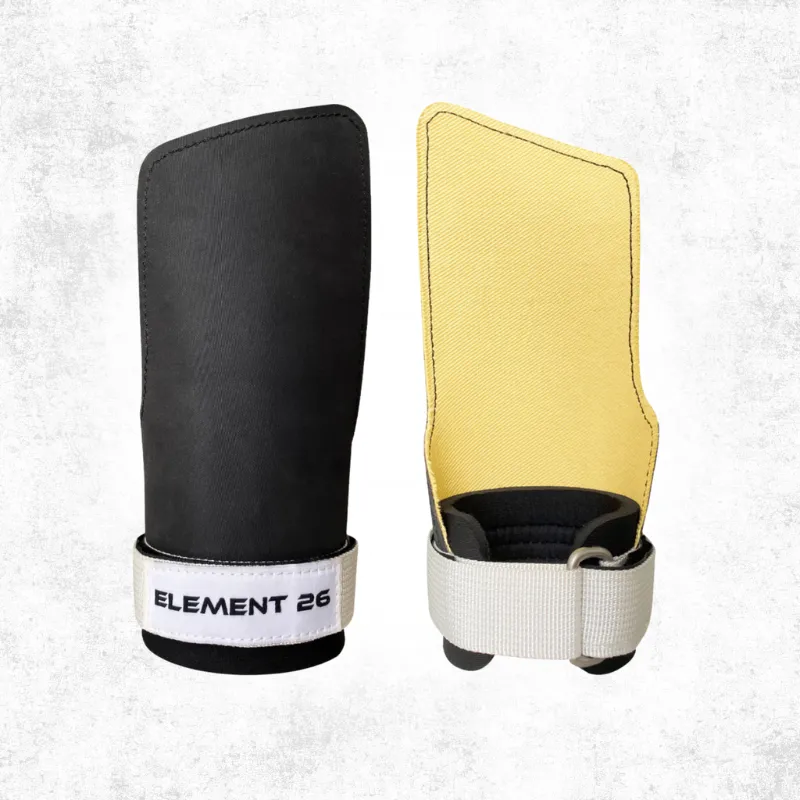
Which CrossFit Hand Grips Protect Better During High-Rep Workouts
CrossFit hand grips protect your palms during pull-ups, toes-to-bar, and kettlebell swings, but not all grips cover the same area or stay secure under sweat. Element 26 hand grips use a full-palm leather design with wrist support, while many traditional crossfit hand grips rely on a two-hole or three-hole finger attachment with minimal palm coverage. We tested both styles across hundreds of reps to see which prevents blisters and tears more effectively.
The right grip depends on how much protection you need, how sweaty your hands get, and whether you prioritize speed or security. Below we break down material differences, sizing, and when each style works best.
Material and Coverage: Leather vs Synthetic Hand Grips
Most gymnastic hand grips fall into two camps: full-grain leather or synthetic fabrics like carbon fiber or microfiber.
Leather grips (including Element 26's design) offer:
- Thicker padding across the entire palm, reducing hot spots during high-volume days
- Natural grip on the bar without excessive tackiness
- Longer break-in period but greater durability once molded to your hand
Synthetic grips (Victory Grips, Bear Komplex, Picsil) offer:
- Thinner profile for better bar feel and faster transitions
- Quicker break-in, often usable right out of the package
- Less bulk, which some athletes prefer for complex movements like bar muscle-ups
We found leather grips excel during heavy met-cons with 50-plus pull-ups, while synthetic options suit gymnastic skill work where bar feel matters more than maximum protection. If you're prone to tearing, leather's full coverage wins. For experienced athletes with callused hands, synthetics offer speed without sacrificing much protection.
Check current pricing and grab our code to save 10% on Element 26's leather grips.
Attachment Style: Wrist Wraps vs Finger Loops
How a grip attaches to your hand determines stability under fatigue.
Wrist-wrap grips (Element 26 style):
- Velcro strap wraps around the wrist, distributing tension across the forearm
- Stays secure even when hands are drenched in sweat
- Adds wrist support, reducing strain during overhead movements
- Slower to put on and remove between exercises
Finger-loop grips (two-hole or three-hole):
- Loops slide over fingers, leaving the wrist free
- Faster transitions during AMRAPs or timed workouts
- Relies on finger fit; if sizing is off, the grip can rotate or bunch
- No wrist support, so you may need separate sweat wristbands or wrist sweat bands to manage moisture
We prefer wrist-wrap grips for beginner and intermediate athletes who need predictable hand protection without worrying about grip rotation. Competitive athletes who prioritize transition speed often choose finger loops, though they accept the trade-off in stability. Pairing finger-loop grips with a sweatband wrist can help manage slippage.
Sizing and Fit: How to Avoid Bunching and Hot Spots
Poorly sized grips bunch under the fingers or leave gaps that cause blisters.
Measuring for wrist-wrap grips:
- Measure from the base of your palm (wrist crease) to the base of your middle finger
- Most brands offer small (3–3.5 inches), medium (3.5–4 inches), and large (4+ inches)
- If between sizes, size up for more coverage
Measuring for finger-loop grips:
- Measure the width of your middle and ring fingers at the knuckle
- Try the grips on before heavy use; loops should fit snugly without cutting off circulation
- Some athletes prefer three-hole grips for added stability, though two-hole designs allow more natural hand movement
Element 26 grips run true to size in our testing, with medium fitting most men and small fitting most women. Gymnastic hand grips from brands like Victory Grips and Bear Komplex often size slightly smaller, so check their charts carefully. For a detailed comparison of top brands, Garage Gym Reviews and Men's Fitness both maintain updated buyer's guides.
Break-In Period and Long-Term Durability
New leather grips feel stiff and can create friction until the material conforms to your hand.
Breaking in leather grips:
- Soak in warm water for 10 minutes, then wear them during a light workout to mold the leather
- Apply a thin layer of coconut oil or leather conditioner to soften high-stress points
- Expect 2–4 sessions before they feel natural; after break-in, leather grips often last 12+ months
Synthetic grips need little to no break-in but may show wear after 6–9 months of heavy use, especially along the finger holes. If you train five or more days per week, budget for replacement grips mid-season.
We also recommend keeping lifting tape in your gym bag as a backup for torn grips or unexpected hot spots. Tape won't replace a quality grip, but it can save a workout when your hands are already compromised.
Who Should Choose Element 26 Grips vs Traditional CrossFit Hand Grips for Pull-Ups
Choose Element 26 wrist-wrap style if you:
- Experience frequent hand tears or blisters during high-rep pull-up WODs
- Want combined wrist support and palm protection in one piece of gear
- Prioritize durability and full-palm coverage over transition speed
- Have sweaty hands and need a grip that won't rotate mid-set
Choose traditional finger-loop grips if you:
- Compete in timed events where every second of transition matters
- Already have well-conditioned hands with established calluses
- Prefer minimal gear and maximum bar feel for gymnastic movements
- Don't mind replacing grips more frequently
Both styles work, but we see fewer hand tears among athletes using full-coverage leather grips during their first year of CrossFit. Experienced competitors often graduate to lighter finger-loop designs once their hands toughen up. If you're still deciding, visit our discount page to see current offers on both Element 26 grips and related gear like velcro belts and accessories.
Pairing Grips with Wrist Support and Other CrossFit Accessories
Hand grips work best as part of a complete setup. Many athletes pair their grips with:
- Wrist sweatbands to wick moisture before it reaches the grip (wrist sweat bands sit just below the strap)
- Lifting belts for heavy deadlift and squat days, since grips alone don't stabilize your core (meane gene belt or velcro belts)
- Chalk or liquid chalk to reduce slip on the bar, though too much chalk can cake inside the grip
We've found that a thin sweatband under a wrist-wrap grip keeps the strap drier and prevents chafing during long sessions. If you're building a complete gear kit, check out Element 26's apparel like the t element, element shirt, or hunt lift eat tees, which wick sweat and hold up through hundreds of wash cycles.
For more on top-rated options across brands, Victory Grips offers detailed guidance on matching grip style to your training volume.
Final Verdict: Which Grip Style Wins for Your Training
Element 26 hand grips deliver superior palm coverage and wrist stability, making them the safer choice for athletes prone to tearing or those new to high-volume pull-up work. Traditional finger-loop grips from brands like Victory Grips, Bear Komplex, and Picsil offer faster transitions and better bar feel, which advanced competitors value during timed events.
We recommend starting with a wrist-wrap leather grip if you're less than two years into CrossFit or if you regularly program 30-plus pull-ups per workout. Once your hands adapt and your calluses harden, experiment with thinner finger-loop designs to see if the speed advantage outweighs the coverage trade-off. Either way, proper sizing and a short break-in period make the difference between grips that protect and grips that create new problems.
Frequently asked questions
What makes Element 26 hand grips different from Victory Grips or Bear Komplex?
Element 26 grips use a wrist-wrap attachment with full-palm leather coverage, while Victory Grips and Bear Komplex typically use finger loops with synthetic materials. The wrist-wrap style offers more stability and wrist support, but finger-loop grips allow faster transitions during timed workouts.
Can I use crossfit hand grips for pull-ups if I have small hands?
Yes, most brands including Element 26 offer small sizes designed for narrower palms and shorter fingers. Measure from your wrist crease to the base of your middle finger and compare it to the brand's size chart to ensure the grip won't bunch or leave gaps.
How long does it take to break in leather hand grips?
Leather grips typically need 2 to 4 training sessions to conform to your hand. Soaking them in warm water for 10 minutes and wearing them during a light workout speeds up the process, and applying a thin layer of leather conditioner can reduce stiffness.
Do I still need wrist sweatbands if my grips have wrist straps?
Many athletes wear a thin sweatband under their wrist-wrap grips to wick moisture and prevent chafing during long sessions. It's optional, but it keeps the grip strap drier and more comfortable, especially if your hands sweat heavily.
Which hand grips are best for preventing blisters during high-rep WODs?
Full-coverage leather grips like Element 26's design prevent blisters better than thinner finger-loop styles because they distribute friction across the entire palm. If you tear frequently or train high-volume pull-up workouts, wrist-wrap leather grips offer the most protection.
Can I use gymnastic hand grips for kettlebell swings and barbell work?
Yes, crossfit hand grips work for kettlebell swings, barbell work, and any movement that creates friction on your palms. However, some athletes prefer bare hands or lifting tape for heavy barbell lifts to maintain better bar feel and control.