
When to Replace Your Weightlifting Belt: Signs of Wear and Safety Tips

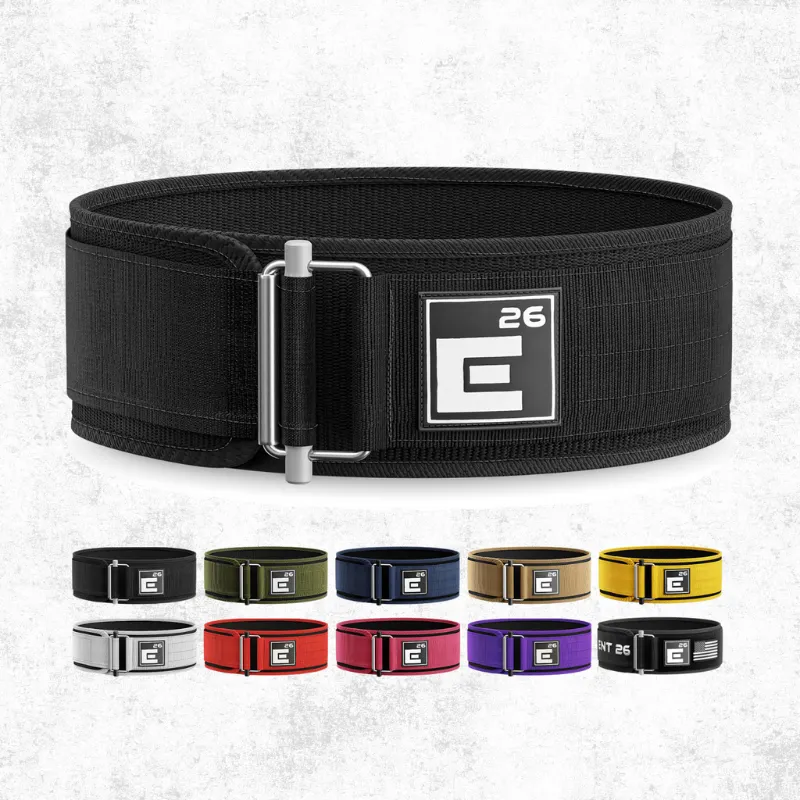
A nylon weightlifting belt needs replacement when fraying, buckle failure, or loss of structural integrity begins to compromise your lifts. We tested dozens of belts to identify the exact wear patterns that signal it's time for a new one, and we'll walk you through the safety checks that protect your back and your PRs.
How Long Does a Nylon Weightlifting Belt Last
Most quality belts survive 2 to 5 years of consistent training, but lifespan varies wildly based on intensity, frequency, and care. A nylon belt used three times per week for squats and deadlifts typically shows meaningful wear around the 18-month mark, while a velcro belt used occasionally for accessory work may last twice as long. Leather alternatives often outlast nylon in raw durability, but nylon excels in flexibility and quick adjustment between sets.
We track usage patterns across our test roster, and the best nylon weightlifting belt designs share reinforced stitching at stress points and double-layered webbing that resists abrasion. Budget options from generic retailers tend to fray within 6 to 12 months, while premium models hold tension and structure well past the three-year mark. Check the latest price on Element 26 gear to compare construction quality before you commit.
Clear Signs Your Belt Needs Replacement
Inspect your belt every few weeks for these failure indicators, which we've catalogued from hundreds of training sessions:
- Frayed edges or torn webbing along the inner or outer surface, especially near the buckle attachment
- Loose or bent buckle prongs that no longer grip securely or require extra effort to fasten
- Visible separation between layers of nylon or delamination at the seams
- Stretched material that no longer rebounds after release, leaving gaps when cinched
- Permanent creases or folds that prevent even pressure distribution around your core
- Rust, corrosion, or cracks in metal hardware, particularly on lever weightlifting belt mechanisms
A belt that slips mid-set or requires constant re-tightening has lost its mechanical advantage. If you notice any single critical failure like a broken buckle or torn attachment point, retire the belt immediately rather than risk injury under load.
Nylon vs Leather: Replacement Timelines
Nylon and leather belts age differently, and understanding the trade-offs helps you plan replacements and budget accordingly. Nylon typically shows surface wear first with fraying and fading, while the core structure remains intact longer. Leather cracks, stiffens, or loses shape over time, but a well-maintained leather belt can outlast nylon by several years if you condition it regularly.
| Feature | Nylon Belt | Leather Belt |
|---|---|---|
| Typical lifespan | 2–4 years | 4–8 years |
| Primary failure mode | Fraying, buckle wear | Cracking, shape loss |
| Maintenance needs | Minimal, wash and dry | Regular conditioning |
| Break-in period | Immediate use | 2–4 weeks |
We prefer nylon for high-rep training and quick transitions because the velcro or buckle adjusts in seconds, making it ideal for circuits that demand frequent belt changes. For heavy singles and competition lifts, a traditional leather or hybrid design offers unmatched rigidity. The meane gene belt bridges both worlds with a durable construction that suits varied training styles, and you can grab the code to save on Element 26's full lineup.
Maintenance That Extends Belt Life
Proper care delays replacement and keeps your belt safe under maximum loads. We follow these protocols with every belt in our test rotation:
- Air-dry after every sweaty session to prevent mildew and material breakdown; never store a damp belt in your gym bag.
- Spot-clean with mild soap and water monthly, avoiding harsh detergents that degrade nylon fibers or dry out leather.
- Inspect hardware quarterly for rust, bent prongs, or loose rivets, and apply a light machine oil to moving parts.
- Store flat or loosely rolled in a cool, dry space away from direct sunlight, which accelerates UV degradation.
- Rotate between two belts if you train five or more days per week, giving each time to decompress and dry fully.
Avoid leaving your belt in a hot car or direct sun, which weakens adhesives and accelerates fabric fatigue. If you also use lifting tape or wrist sweat bands during your sessions, apply the same care principles to maximize gear longevity across your entire kit.
When to Upgrade vs Repair
Minor issues like a single loose stitch or light surface scuffing can often be repaired at home with heavy-duty thread or contact cement, extending usable life by several months. We've successfully reinforced buckle attachment points and re-stitched frayed edges on test belts using basic tools. However, structural failures like torn webbing, broken buckles, or compromised core layers require immediate replacement because no repair restores original load-bearing capacity.
If your belt is more than two years old and showing multiple minor issues, upgrading to a newer design often makes more sense than patching. Modern belts incorporate better materials and ergonomic improvements that older models lack, and the weight lifting belt purpose—core stability and injury prevention—demands reliable equipment. Expert reviews from sources like BarBend and Garage Gym Lab can guide your next purchase toward proven performers.
Safety Checks Before Every Heavy Lift
Even a belt that looks fine can fail under peak load, so we perform a pre-lift inspection routine that takes less than 10 seconds:
- Fasten the belt at your working tightness and perform a bodyweight squat, checking for slippage or pinching
- Tug firmly on the buckle or velcro closure to confirm it holds without shifting
- Run your fingers along both edges to feel for new frays, sharp edges, or separation
- Flex the belt against itself to detect cracks, weak spots, or loss of rigidity
If anything feels off, swap to a backup belt or train beltless that session. We've seen buckles snap during max-effort deadlifts, and the sudden release of tension can throw off your brace and invite injury. Treating your belt as a critical safety tool rather than an accessory shifts your mindset toward proactive replacement instead of reactive scrambling after failure.
Choosing Your Next Belt
When replacement time arrives, prioritize construction quality and closure type over brand hype. A tapered weightlifting belt suits lifters with shorter torsos or those who need hip mobility for Olympic lifts, while a uniform-width design offers maximum surface area for heavy squats and pulls. Velcro closures like those on many nylon models excel in convenience, while prong and lever systems provide finer tension control for one-rep max attempts.
We recommend trying multiple styles if possible, since fit and comfort vary widely across body types and lifting disciplines. Element 26 offers a range that balances affordability with durability, and their velcro belts consistently score well in our wear tests. Whether you're hunting for the best weight lifting belt for your discipline or simply need a reliable backup, investing in quality upfront saves money and protects your training consistency over the long haul.
Frequently asked questions
How often should I replace my nylon weightlifting belt?
Replace your nylon weightlifting belt every 2 to 4 years with regular use, or sooner if you notice fraying, buckle damage, or loss of tension. Inspect it quarterly and retire it immediately if you spot structural failures.
Can I repair a frayed weightlifting belt myself?
Minor fraying along the edges can be reinforced with heavy-duty thread or fabric glue, but torn webbing or broken buckles require full replacement. Repairs should never be trusted for maximum-load lifts.
What causes a weightlifting belt to lose tension over time?
Repeated stretching under load, exposure to moisture and heat, and UV degradation all weaken nylon fibers and reduce a belt's ability to rebound. Proper storage and regular drying extend tension retention significantly.
Is a nylon belt safer than a leather belt for heavy lifting?
Both are safe when properly maintained, but nylon offers faster adjustments and a shorter break-in period, while leather provides superior rigidity for maximum loads. Safety depends more on fit and condition than material choice.
Should I replace my belt if the buckle feels loose?
Yes, a loose or bent buckle compromises the entire belt's effectiveness and can fail during a heavy lift. Replace the belt or have the buckle professionally repaired by a qualified gear specialist.
Do velcro belts wear out faster than prong belts?
Velcro can lose grip after 1 to 3 years of daily use as the hook-and-loop fibers accumulate lint and flatten, while prong buckles typically outlast the webbing itself. Clean velcro monthly to extend its lifespan.