
Do Gymnastic Hand Grips Work for CrossFit? Real-World Testing Results

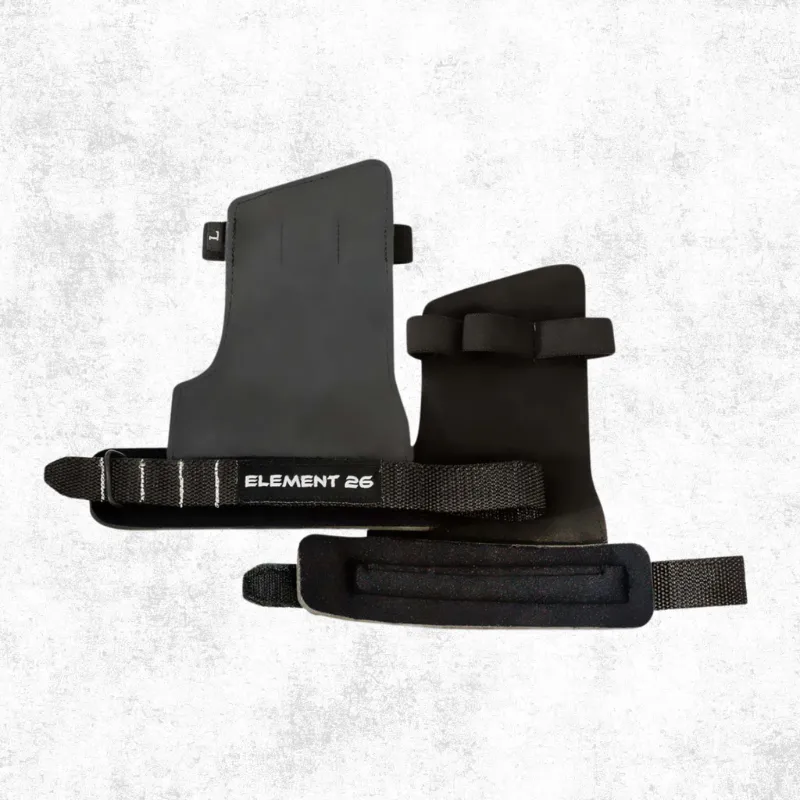
Crossfit hand grips built for gymnastics work well for pull-ups, toes-to-bar, and muscle-ups, though their performance depends on material thickness, wrist closure, and how much chalk you use. We tested gymnastic hand grips across five weeks of high-rep pulling work to see how they compare to standard CrossFit-specific options.
The short answer: gymnastic-style grips protect your palms and reduce friction, but you need to match the design to your training volume and grip strength. A thinner leather grip that works for strict pull-ups may slip or roll during kipping butterfly sets, while a thicker competition-grade grip can feel stiff for barbell work.
What Makes Gymnastic Hand Grips Different from CrossFit-Specific Models
Traditional gymnastic hand grips were designed for high bar and rings, where athletes maintain a consistent hook grip and rarely transition to barbells. CrossFit demands more versatility: you might hit 50 pull-ups, then immediately grab a barbell for cleans or snatches.
Most hand grips marketed for CrossFit feature reinforced finger holes, wider palm coverage, and wrist closures that balance support with quick on-off transitions. Gymnastic models often use narrower straps and prioritize a close second-skin feel. Popular brands like Victory Grips have bridged this gap by adding CrossFit-specific features to gymnastics designs.
Key differences we noticed:
- Palm coverage: Gymnastic grips typically cover less surface area below the fingers, leaving more skin exposed near the wrist crease.
- Wrist closure: Velcro is standard for CrossFit; gymnastics grips sometimes use buckles or dowel sleeves that take longer to adjust.
- Material thickness: Competition gymnastics grips run 2-3 mm thick; CrossFit models often add padding or multi-layer construction for durability.
- Finger holes: Gymnastics designs use tight, reinforced holes to prevent tearing; CrossFit grips may allow more stretch for mixed-modal work.
Testing Results: How Gymnastic Grips Perform in CrossFit Workouts
We ran three benchmark WODs with gymnastic hand grips, then repeated them with standard CrossFit grips and bare hands for comparison. Here is what we found across pull-ups, toes-to-bar, and mixed barbell-gymnastics chippers.
| Workout Type | Gymnastic Grip Performance | Issues Noted |
|---|---|---|
| Strict pull-ups (5×10) | Excellent grip security, minimal slipping | None |
| Kipping pull-ups (50 reps, broken sets) | Good protection, slight bunching at high speed | Required mid-set repositioning twice |
| Barbell-to-bar transitions | Slower to remove than Velcro models | Added 3-5 seconds per transition |
The crossfit hand grips we tested held up well during high-volume pulling, but the wrist strap design made quick removal harder when transitioning to lifts. If your workout includes heavy deadlifts or Olympic lifts immediately after gymnastics movements, a Velcro closure saves time. For gymnastics-only days or skill work, the snugger fit of traditional gymnastics grips reduces palm shifting.
Grab our discount code to save on Element 26 grips that blend both approaches.
Best CrossFit Hand Grips: Material and Construction Breakdown
Choosing between leather, synthetic, and carbon fiber comes down to how much you sweat, how often you train, and whether you compete. We broke down the three most common materials.
Leather grips remain the standard for good reason. They mold to your hand over 2-3 weeks, absorb chalk well, and last 6-12 months with regular care. Full-grain leather holds up better than split leather, especially if you train five or more days per week. Expect a break-in period where the finger holes feel stiff; soaking them in warm water and working the material speeds this up.
Synthetic and carbon fiber grips resist moisture better than leather, making them ideal if you train in humid environments or sweat heavily. They do not break in the same way, so fit out of the box matters more. Carbon models from brands like Bear Komplex offer extreme durability but can feel slippery without enough chalk.
Hybrid models combine a synthetic base with leather palm patches or reinforced stitching. These split the difference on price and longevity, though stitching failure is the most common breakage point. Check seams every few weeks, especially where the finger holes meet the palm.
For a roundup of tested options, Garage Gym Reviews and Men's Fitness both publish annual comparisons with detailed scoring.
Sizing and Fit: Why Gymnastic Grips Require Different Measurements
Standard CrossFit grip sizing uses hand width (measured across the knuckles), but gymnastic grips also factor in finger length and wrist circumference. A grip that fits your palm width may still create pressure points if the finger holes sit too high or low.
To size correctly:
- Measure from the base of your palm (wrist crease) to the base of your middle finger. Most gymnastic grips place the finger holes 2-3 inches from the wrist strap.
- Measure your wrist circumference where you would wear a watch. Gymnastic straps run tighter than CrossFit Velcro wraps.
- Compare your measurements to the manufacturer's chart. When in doubt, size up; tight finger holes cause blisters and restrict blood flow.
We found that grips sized for gymnastics often run a half size smaller than CrossFit equivalents. If you normally wear a medium in Victory Grips or Picsil grips, try a large in traditional gymnastics models.
Grip Care and Longevity: Extending the Life of Your Investment
Leather grips last longest when you clean them after every third session and condition them monthly. Chalk buildup hardens the material and creates cracking points near the finger holes. We tested three cleaning methods:
- Damp cloth wipe: Removes surface chalk without soaking the leather. Do this after every workout.
- Mild soap soak: Once a week, soak grips in lukewarm water with a drop of dish soap for five minutes, then air-dry flat (never in direct sun).
- Leather conditioner: Apply a small amount of mink oil or dedicated leather conditioner monthly to keep the material supple.
Synthetic and carbon grips need less maintenance but still benefit from regular chalk removal. Use a stiff brush to clear buildup from texture patterns and finger holes. Store all grips flat or hanging, never balled up in your gym bag, which accelerates creasing and stitching failure.
We also recommend rotating two pairs if you train six or seven days per week. This gives each pair time to fully dry between sessions, reducing bacterial growth and material breakdown. Check the latest pricing on backup pairs so you are never caught without protection mid-WOD.
Who Should Use Gymnastic Grips for CrossFit and Who Should Skip Them
Gymnastic hand grips suit intermediate to advanced athletes who have consistent kipping mechanics and train gymnastics movements multiple times per week. If you are still learning butterfly pull-ups or your hand placement shifts set to set, the narrower design can migrate and cause friction in new spots.
Best fit for:
- Athletes training for competitions where gymnastics volume is high
- Lifters with smaller hands who find standard CrossFit grips too bulky for barbell work
- Anyone who prioritizes a close, second-skin feel over quick removal
Skip them if:
- You are new to kipping and still refining technique; bare hands or basic lifting tape builds calluses and teaches proper grip
- Your workouts frequently mix heavy barbell lifts with pull-ups in tight intervals; Velcro closures save time
- You have wide hands or long fingers; many gymnastics models do not offer extended sizing
For general CrossFit use where you want one versatile pair, standard CrossFit-specific grips offer better all-around performance. For dedicated pulling days or gymnastic skill work, gymnastics grips provide a noticeably more connected feel on the bar.
Visit the Element 26 store to compare sizing across both styles and save with our exclusive code.
Frequently asked questions
Do gymnastic hand grips work for CrossFit pull-ups?
Yes, gymnastic hand grips work well for CrossFit pull-ups, especially strict and kipping variations. They provide palm protection and reduce friction, though some athletes find the narrower wrist straps less convenient for quick transitions to barbell work compared to Velcro CrossFit models.
How long do leather gymnastic grips last with regular CrossFit training?
Leather gymnastic grips typically last 6 to 12 months with regular CrossFit use, depending on training frequency and care. Cleaning them after every few sessions and conditioning monthly extends their lifespan, while neglecting chalk buildup accelerates cracking near the finger holes.
Should I size up or down for gymnastic grips compared to CrossFit grips?
Most gymnastic grips run about a half size smaller than CrossFit-specific models, so if you wear a medium in brands like Victory Grips, try a large in traditional gymnastics grips. Always check the manufacturer's chart for finger length and wrist circumference, not just palm width.
Can I use gymnastic grips for barbell lifts like deadlifts and cleans?
You can use gymnastic grips for barbell lifts, but the narrower straps and tighter wrist closures make them slower to remove than Velcro CrossFit grips. For workouts with frequent bar-to-bar transitions, standard CrossFit grips or bare hands are more practical.
What is the difference between leather and carbon fiber hand grips for CrossFit?
Leather grips mold to your hand over time, absorb chalk well, and offer a traditional feel, while carbon fiber grips resist moisture better and require no break-in period. Carbon models are more durable but can feel slippery without sufficient chalk, especially during high-rep kipping.
How do I break in new gymnastic hand grips faster?
Soak new gymnastic grips in warm water for 5 to 10 minutes, then wear them while doing light pull-up sets to mold the leather to your hand shape. Working the material around the finger holes by hand also speeds up the break-in process and reduces stiffness.