

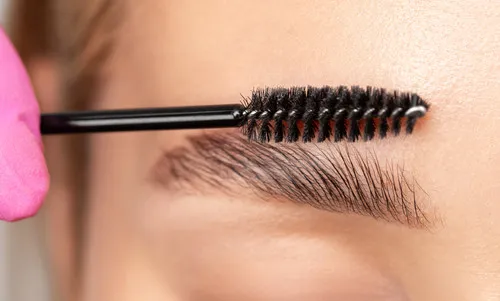
A lash lift course is the cheapest, lowest-risk way to test whether a beauty career is really for you, because it is a single-treatment skill you can learn in a day and start earning from almost immediately. Once you know how that feels, the rest of the decision gets easier: you compare beauty training courses by accreditation, kit inclusions, delivery style and where you actually want to work. Here is how we would work through it if we were starting from scratch.
Start With the Treatment You Want to Do Every Day
Most people choose a course by price. We think you should choose by repetition, because whatever you train in first is what you will be doing for hours at a time in your first year.
- Fine detail and close work: a lash lift course and a brow lamination course are both about precision, consultation and patch testing. If you like slow, careful work with a visible result, this is your lane.
- Hands-on and fast paced: acrylic nail classes suit people who want regular repeat bookings and a strong social media portfolio.
- Client-facing and consultative: facial courses cover skin analysis, massage movements and treatment planning. A dragon facial adds a more advanced, results-led option once you are confident.
- Body-focused: sports massage courses and massage therapy courses lead toward sports, rehab and clinical settings rather than high street salons.
If you genuinely cannot decide, pick the shortest course in the category you are most curious about. A single-day lash lift course tells you more about your tolerance for close-up detail work than three months of research.
Compare Online and Classroom Beauty Training Courses Honestly
Online vs classroom courses is the question we get asked most. The answer depends on how much supervised practice the qualification requires.
| Course type | Best for | Watch out for |
|---|---|---|
| Online theory plus in-person practical | Most beginners, especially lash and brow work | Confirm the practical day is included, not sold separately |
| Fully online | Theory refreshers and CPD | Usually not enough for insurance on hands-on treatments |
| Fully classroom | Nail technician training, waxing, massage | Travel time and fixed dates |
A good rule: if the treatment involves a chemical, a needle-free device on skin, or a technique where pressure matters, you want a tutor watching your hands at least once. For anything that is mostly theory or business, online is fine and often cheaper.
What accreditation actually covers
Course accreditation is not one thing. Ask three questions before you book:
- Which awarding body or insurer recognises this certificate?
- Will my insurance provider accept it for client cover, and at what level?
- Does the certificate state the treatment name and hours clearly?
If a provider is vague about the insurer, walk away. A cheap course you cannot get insured from is not cheap.
Check What Is Included: Kits, Course Materials and Payment Options
Two courses at the same price are rarely the same value. Course materials included is a phrase worth reading literally.
- Kit inclusions: does the fee cover the products you practise with, or do you buy separately? For waxing, a professional waxing kit is a real cost on top of training, so either factor it in or choose a course that bundles it.
- Equipment access: facial device training usually needs the device on the day. If you plan to offer high frequency treatments, ask whether you train on a high frequency wand supplied by the academy or bring your own.
- Retail and aftercare: masks and consumables are a running cost. A jelly face mask is inexpensive, but multiply it by every client and it belongs in your pricing.
- Payment terms: flexible payment options and instalment plans vary widely. Ask about deposit size, refunds and what happens if you need to move a date. Student finance is rarely available for short private beauty courses, so treat any claim of it with caution and get it in writing.
For current pricing and the 15% off sitewide offer, check the latest price on the store page rather than relying on a figure quoted in a blog post.
Match the Course to the Career You Want
The right course is the one that gets you to your actual goal, not the one with the nicest brochure.
| Your goal | Strong first course | Useful add-on |
|---|---|---|
| Mobile therapist, fast income | Fake tan course or waxing courses | Brow lamination course |
| Salon lash and brow specialist | Lash lift course | Brow lamination course or facial courses |
| Nail-focused career | Acrylic nail classes | Business and marketing short courses |
| Skin and aesthetics | Facial courses | Aesthetic treatments training |
| Sports or clinical setting | Sports massage courses | Massage therapy courses |
Notice that fake tan course and fake tanning course options appear near the top for anyone who wants to earn quickly. Tanning is low-cost per client, highly repeatable and easy to upsell, which makes it a sensible first certificate alongside or instead of a lash qualification.
Equally, waxing courses are underrated. Waxing clients rebook every four to six weeks without being chased, and the skill transfers straight into a mobile or home salon setup.
Look at the Whole Pathway, Not Just One Certificate
Most successful therapists stack skills that share the same client. A lash lift client is a natural brow lamination client. A brow client is a natural facial client. A facial client may want tanning before an event.
- Choose courses that share consultation and patch testing processes so your paperwork stays simple.
- Add a device-based treatment only once you can fill your diary with manual treatments, because equipment has a higher upfront cost.
- Check whether makeup courses or nail technician training are prerequisites for anything you want to do later.
- Ask if the academy offers discounts on your second or third course.
This is where buying from a single provider helps. One set of policies, one insurer relationship, one place to query a certificate, and a lower total spend than assembling certificates from five different schools. You can grab the code before booking a block of courses, since a sitewide discount applied across two or three qualifications is worth far more than a discount on one.
Questions to Ask Before You Pay a Deposit
Run this checklist down the phone or over email with any provider. If the answers are evasive, that is your answer.
- What exactly is on the certificate, and which insurers accept it?
- Is the practical assessment included in the fee?
- What kit do I need to bring, and what is supplied?
- What is the cancellation and date-change policy?
- Are there instalments, and is there a fee for them?
- Can I talk to a past student?
Six clear answers tell you more about quality than any glossy landing page. Once you have those, book the course that matches the work you actually want, and see the current offer before you check out.
 Shopping at Yorkshire Beauty Academy? See today's verified Yorkshire Beauty Academy discount code
Frequently asked questions
Do I need any previous qualification before a lash lift course?
No, most lash lift courses are designed for complete beginners and start with consultation, patch testing and lash anatomy. Some providers ask for a basic eyelash or brow qualification before advanced lash work, so confirm the entry requirements when you enquire.
Will my insurance cover me after a one-day beauty course?
It can, but it depends on the certificate and the insurer. Ask the provider which insurers recognise their accreditation, then check directly with that insurer before you book so you are not paying for training you cannot use with clients.
Are online beauty training courses as good as classroom ones?
For theory, business content and refreshers, online is genuinely fine. For treatments where technique on a real person matters, such as waxing, acrylic nail classes or lash lifts, you want at least one supervised in-person practical day.
What is usually included in the course fee?
Course materials included should mean the manual, assessment and certificate, but not always the kit. Ask specifically whether you need to bring your own professional waxing kit, lash products or model, and whether the equipment you train on is supplied.
Which course should I start with if I want to earn quickly?
Fake tanning and waxing tend to have the lowest setup cost and the fastest repeat bookings, which makes them sensible first certificates. A lash lift course is a good alternative if you prefer detailed work and a strong before-and-after portfolio.
Are flexible payment options available on beauty training courses?
Many private academies offer instalment plans rather than student finance, which is rarely available for short courses. Always ask about deposit size, instalment fees, and the refund or date-change policy before committing.