

Lash Lift vs Brow Lamination: The Short Answer
Learn a lash lift course first if you want the faster, lower-fuss route into eye treatments, and add a brow lamination course second once you are confident with timings and patch testing. A lash lift is a simpler process to master under pressure, needs less room to work in, and gives you a treatment you can retail to almost every client with natural lashes. Brow lamination has a slightly steeper learning curve because you are working with hair direction as well as chemistry, and clients arrive with more expectations about shape.
Both are short, practical certificates, which is exactly why so many students at Yorkshire Beauty Academy take them back to back.
What Each Treatment Actually Involves
Lash lift
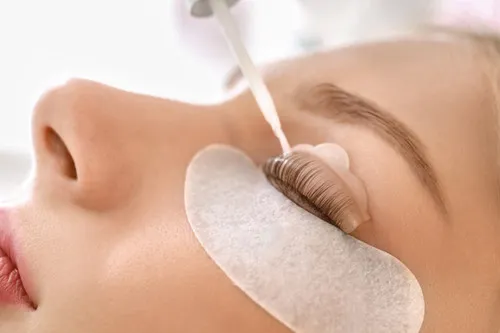
A lash lift uses a silicone shield and two chemical steps, a lifting cream and a setting cream, to curl the natural lashes from root to tip. You tint afterwards if the client wants more definition. The skills you practise are precision, isolation, and judging how long to leave product on finer or coarser lashes.
Brow lamination
Brow lamination uses a similar two-step chemistry on brow hair, but the goal is direction rather than curl. You comb hairs upward and outward to fill gaps and create a fuller shape, then usually finish with tinting and waxing or tweezing. That means brow work sits closer to the waxing courses skillset, because clean shaping and hair removal matter much more.
If you already hold a waxing qualification and a professional waxing kit, brow lamination will feel like a natural extension of what you do. If you are starting from scratch, the lash route is usually the gentler introduction.
Lash Lift Course vs Brow Lamination Course: Side by Side
| Lash lift course | Brow lamination course | |
|---|---|---|
| Learning curve | Moderate, mostly timing and isolation | Moderate to steep, includes shaping and direction |
| Standard treatment time | Around 45 to 60 minutes once practised | Around 45 to 60 minutes including shaping and tint |
| Repeat visits | Every 6 to 8 weeks | Every 6 to 8 weeks |
| Best for | Natural-lash clients wanting low-maintenance curl | Sparse, coarse or downward-growing brows |
Neither table entry is a reason to skip training. Both treatments are chemical services on the face, so course accreditation and insurance cover matter far more than which one you pick first. Check that whoever you train with provides a certificate your insurer accepts before you pay a deposit.
Which One Suits Your Business Better?
Ask yourself three questions before you book anything.
- Who is already in your chair? Lash lifts suit lash extension clients, brides, and anyone who wants a lift that survives swimming and gym sessions. Brow lamination suits clients who tint or wax already and want a fuller shape.
- How much room do you have? A lash lift needs a treatment bed, good lighting, and enough space for you to work from the head of the bed. Brow lamination needs the same but with less fiddly isolation, so it is often easier in a small home studio.
- What do you want to upsell? Both treatments pair with tinting. Brow lamination sits beautifully alongside waxing and a dragon facial for clients who want a full definition service, while lash lifts pair well with a jelly face mask or a high frequency wand add-on during the processing time.
There is no wrong answer here, only a wrong order for your particular set of skills.
What to Look For in a Lash Lift Course
A good course does four things, and you should hear all four in the sales conversation.
- Practical time on real models. Watch-and-copy is not the same as doing it. Look for small groups and a model provided for you.
- Course materials included. Written steps, consent forms, and aftercare sheets should come as standard, not as an extra purchase.
- Accreditation basics. Ask who accredits the certificate and whether your insurer recognises it for lash and brow treatments, not just makeup or facial courses.
- A starter kit or a clear kit list. You need shields, adhesives, lift and set creams, and a tint kit if you are tinting. Be sure you know what is included.
Thorough beauty training courses should also cover contra-indications properly. Pregnancy, recent eye surgery, dry eye conditions, and reactions to previous tinting all come up in real salon life, and knowing when to refuse is a professional skill, not a setback.
Timing, Cost, and Flexible Payment Options
Most students take the lash lift qualification first because it is short enough to fit around a job and cheap enough to self-fund. That said, cost varies by provider and by what is bundled, so check the latest price rather than relying on last year's figures.
A few practical points worth knowing:
- Many providers offer flexible payment options, and some split payments across instalments. Ask before you book.
- Student finance is generally not available for short beauty certificates, so plan to self-fund or use a payment plan.
- Bundling two short courses is often cheaper than buying separately, and you only take one day off work for travel.
- Online vs classroom courses matters here. You can learn theory online, but nobody should certify you in lash lifting or brow lamination without hands-on practice on a model. Insist on the practical element.
If you want to browse the full range before deciding, grab the code and compare the lash and brow options side by side.
How to Choose Your First Booking
Read the module list, not just the headline. A lash lift course should name isolation technique, shield sizing, processing times, tinting, and aftercare in its contents. A brow lamination course should name hair direction, patch testing, shaping, and tint mixing.
Then check the practical details.
- Is a model supplied, or do you bring one?
- What is the maximum group size?
- Do you leave with a certificate the same day?
- Is there post-course support if a client reacts badly in your first month?
That last question separates training providers from course sellers.
Can You Take Both?
Yes, and most working therapists do eventually. The sensible order for a complete beginner is a lash lift course first for confidence with fine work, then a brow lamination course a few weeks later once your lash timings are second nature. From there, adding facial courses or aesthetic treatments training opens up longer appointments and higher-value packages.
If you already hold a waxing or brow qualification, flip the order and start with lamination. Your shaping skills are the harder half of the treatment, and the chemistry is the easier half to learn.
Whichever you choose, book the practical, check the accreditation, and see the current offer before you pay in full. Two short certificates, done properly, will do more for your diary than one long course you rushed through.
 Shopping at Yorkshire Beauty Academy? See today's verified Yorkshire Beauty Academy discount code
Frequently asked questions
Do I need a qualification before taking a lash lift course?
Most lash lift courses are beginner-friendly and accept complete beginners, though some providers ask for a basic tinting or eye treatment certificate. Check the entry requirements in the course outline before booking.
Which is easier to master first, lash lifting or brow lamination?
Lash lifting is usually easier to pick up first because the process is linear: isolate, shield, lift, set, tint. Brow lamination adds hair direction and shaping decisions on top of the chemistry, so students tend to find it slightly harder in the first few treatments.
How long does each treatment take once I am qualified?
Plan for roughly 45 to 60 minutes per treatment when you are starting out, including consultation and patch testing. With practice, most therapists bring a lash lift down to around 45 minutes and a brow lamination plus tint to around 45 to 60 minutes.
Is the lash lift course accredited for insurance?
Accreditation varies by provider, so confirm who accredits the certificate and check that your insurer lists lash and brow treatments as covered. Ask for this in writing before you pay a deposit.
Can I learn both treatments in one day?
Some providers run combined lash and brow days, but it is a lot of hands-on technique to absorb at once. Taking them separately, a few weeks apart, gives you time to practise on models in between.
Do I need to buy a kit separately for a brow lamination course?
It depends on the provider. Many include a starter kit or list the products you need in advance, and course materials such as consent forms and aftercare sheets are often included. Ask exactly what is in the price so you can budget for the rest.