

What to Expect from Your First Chemical Peel Training Course
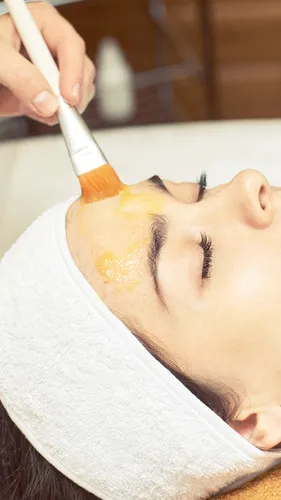
Chemical peel training is a short, practical course that teaches you to assess skin, choose the right acid and strength, and apply and neutralise a peel safely on a live client. Most first courses run over one or two days, split between theory and supervised practice, and end with a certificate you can show your insurer. Here is what actually happens on the day, what to check before you pay, and how peels fit into the rest of your beauty training courses.
What chemical peel training actually covers
A good course is heavier on safety than on products. Expect the theory block to cover:
- Skin anatomy, wound healing and how acids work at different depths
- Fitzpatrick skin typing and why darker skin needs a more cautious approach
- Contraindications and medications that make a peel unsafe, including recent isotretinoin use, pregnancy and active cold sores
- AHA, BHA and TCA families: what each one does, typical strengths and what to layer
- Consultation, consent, patch testing and record keeping
- Managing a reaction: frosting, burning, prolonged redness, and when to stop
- Aftercare and what to tell clients about sun exposure and home products
If the course skips patch testing, contraindications or adverse event management, walk away. Those three things are what your insurance provider will ask about first.
What happens on the practical side of the day
You will usually work in pairs or on models provided by the academy. The routine is deliberate and repetitive, which is the point:
- Cleanse and degrease the skin so the acid sits evenly
- Time each layer and note how the skin responds
- Neutralise or remove the product according to the manufacturer's instructions
- Apply a calming mask and finish with an aftercare plan
Most students find the timing the hardest part, not the application. Counting layers and watching for a reaction while keeping the client relaxed takes practice. If you already hold facial courses qualifications, you will recognise the consultation and cleansing routine and can focus on the acid work.
Online vs classroom: which format suits you
Most providers now offer a mix, so ask exactly what is delivered where before you book.
| Format | Best for | Watch out for |
|---|---|---|
| Classroom | Complete beginners who want hands-on feedback | Travel and time off work |
| Online theory plus in-person practical | People refreshing existing skills | Check the practical hours are supervised |
| Fully online | Theory top-ups only | Usually not accepted for insurance on its own |
If a course is entirely online and claims it qualifies you to perform peels on paying clients, verify it with your insurer before you pay. Hands-on supervision is what makes this treatment safe to deliver.
What to check before you book
Use this as a checklist when you compare providers:
- Course accreditation with a recognised awarding or insurance body, and confirmation your insurer accepts the certificate
- Entry requirements, often a Level 2 or Level 3 beauty qualification or an existing facial qualification
- Course materials included, so you know whether the manual, kit and products are in the fee
- Flexible payment options or instalment plans, plus whether student finance or employer funding applies
- Class size and model requirements, since smaller groups mean more hands-on time
- Post-course support, including refresher access or a contact for questions after you qualify
Ask about all of it in writing. A quick email to the academy, and a quick call to your insurer, saves an expensive mistake.
Where peels fit alongside your other treatments
Peels rarely sit alone on a menu. The students who fill their books fastest are the ones who build packages. A course in facial courses gives you the consultation and massage basics, and a high frequency wand is a popular add-on for clients who want a gentler, no-downtime option between peels. For post-peel calming, a jelly face mask is an easy retail and treatment upsell.
Results-led facial menus such as the dragon facial pair well with peels because clients are already comfortable with a course of treatments rather than one-offs. The same logic applies across the rest of your training: students often stack a lash lift course or brow lamination course onto their facial work, and those who prefer body treatments look at waxing courses or sports massage courses instead. Build a menu that makes sense together rather than collecting certificates at random.
Costs, insurance and your first paying clients
Two costs catch people out. The first is insurance: your policy needs to list chemical peels specifically, and some insurers require a minimum number of supervised case studies. The second is product: most courses include a starter kit, but confirm that before you book, because professional peel solutions are not cheap to restock.
Before you pay for any course, check the latest price and grab the code, since the current sitewide offer knocks a useful amount off the total. Once qualified, price your first peels to cover product, insurance and your time, and keep a short patch-test window in your booking policy. Your course should give you a template consultation and aftercare sheet; use it until you have your own.
Running a treatment room also means handling the boring side well: consent forms, a clean record of the peel and strength used, and a written aftercare note for every client.
Who chemical peel training suits, and who should wait
This course suits qualified therapists who already hold a facial or skin qualification and want to add a higher-value treatment. It also suits salon owners adding a signature treatment and mobile therapists who want something quicker to deliver than a full facial.
Consider waiting if you have never carried out a consultation or worked with skin before. A foundation facial qualification first will make the acid theory much easier to absorb, and most insurers prefer it. If you are unsure, ask the academy which route they recommend for your current qualifications.
Whichever route you take, book with a provider that lets you practise under supervision and gives you a certificate your insurer recognises. That combination, more than the marketing copy, is what makes your chemical peel training worth the money.
Browse the full range and see the current offer before you choose your next course.
 Shopping at Yorkshire Beauty Academy? See today's verified Yorkshire Beauty Academy discount code
Frequently asked questions
Do I need a qualification before I start chemical peel training?
Most providers ask for a Level 2 or Level 3 beauty qualification, or an existing facial qualification, because you need to be confident with consultation and skin assessment. Check the entry requirements in writing before you book, and confirm your insurer's minimum too.
Will my insurance cover me after the course?
Only if the course is accredited and your policy lists chemical peels. Call your insurer before you pay and tell them which course you are considering, since some ask for a set number of supervised case studies.
Are course materials included in the fee?
It varies by provider, so ask whether the manual, starter kit and products are included. Professional peel solutions are costly to restock, so factor that into your budget alongside the course fee.
Can I learn chemical peel training online?
Online theory is useful for revising anatomy and product knowledge, but you need supervised hands-on practice to treat paying clients safely. Look for a course that combines online learning with an in-person practical day.
Which courses work well alongside facial courses?
A high frequency wand add-on, a jelly face mask for post-peel calming, and results-led facials such as the dragon facial all fit a peel menu. Many therapists also add a lash lift course or brow lamination course to round out their treatment list.
Is there a discount on beauty training courses?
Yorkshire Beauty Academy currently runs a sitewide offer, and you can check the current price and code on the store page before you book. Look at flexible payment options too if you are booking more than one course.