

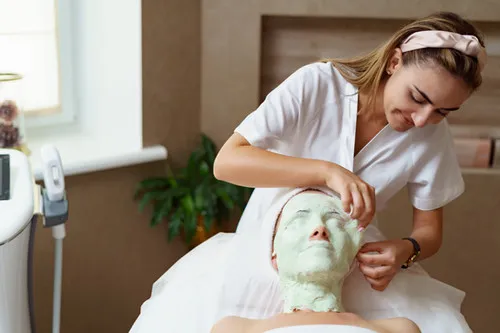
A jelly face mask gives you faster, safer results for hydration and glow, while a chemical peel goes deeper on texture, pigmentation and scarring. If your skin feels tight, dull or dehydrated, the mask wins. If you are chasing sun damage, acne marks or rough texture, only a peel will shift it. Below we compare both honestly, including how professionals are trained to use each one. ## Jelly Face Mask vs. Chemical Peel: The Short Answer These are not competing treatments so much as different depths of the same idea. A jelly face mask floods the surface layers with water and soothing ingredients. A chemical peel removes controlled layers of skin with acid to force renewal. One is a 15 minute at-home step, the other is a clinical decision. | Factor | Jelly face mask | Chemical peel | |---|---|---| | Depth of action | Surface hydration and soothing | Controlled exfoliation, depth varies by acid | | Downtime | None | Redness and flaking for several days | | Best for | Dehydration, dullness, event prep | Texture, pigmentation, acne marks | | Who applies it | Anyone, at home | Trained professional for medium and deep peels | | Frequency | Several times a week | Weeks to months apart | If you have never had a peel and your main complaint is that your skin looks tired, start with the mask. It carries almost no risk and you will see a difference the same evening. ## What a Jelly Face Mask Actually Does A jelly face mask is a water-based gel formula, usually built on humectants, that sits on the skin and holds moisture against it. The texture matters: the cooling, slightly firm feel slows you down and keeps the product in contact with your skin rather than sliding off. What it realistically delivers: - Immediate plumpness as the outer layers take on water - Temporary calming of redness and heat, which makes it popular after waxing or extractions - Better absorption of whatever serum you apply afterwards - No barrier damage when used as directed What it does not do is resurface. It will not fade pigmentation, soften acne scarring or unclog pores the way an acid does. Anyone promising peel-level results from a mask is overselling. We rate the jelly face mask as a routine product, not a treatment. ## What a Chemical Peel Does Differently A peel uses an acid, such as glycolic, salicylic, lactic or mandelic, to dissolve the glue holding dead cells together and, at higher strengths, to trigger a controlled wound response. That is why the results are more dramatic and why the risks are real. Peels can genuinely improve: - Post-acne marks and uneven tone - Sun damage and surface pigmentation - Rough texture and enlarged-looking pores - Fine lines over a course of treatments The trade-off is downtime, sun sensitivity and the possibility of burns or post-inflammatory pigmentation if the wrong acid meets the wrong skin type. Medium and deep peels belong in trained hands. That is why facial courses spend so much time on skin analysis and acid selection before a student ever touches a client. ## Who Each One Suits Match the treatment to the skin in front of you, not to what is trending. - Choose the jelly face mask if your skin is reactive, you are pregnant or breastfeeding and avoiding acids, you have an event tomorrow, you have just had waxing or laser, or you simply want a low-effort weekly habit. - Choose a peel if your barrier is healthy, you can commit to sun protection and a few days of flaking, and you have a specific concern like melasma or acne scarring. - Use both, spaced apart, if you want maintenance between professional treatments. A mask a few days after a peel, once the flaking has settled, is a sensible way to support the barrier. For clients who want glow without peeling, a dragon facial style treatment or a course of gentle facials often sits in the middle ground and is easier to sell as a monthly add-on. ## How to Use a Jelly Face Mask Properly Most disappointing mask results come from application, not formula. 1. Cleanse and pat dry. Gel masks cling better to skin that is not slick with oil. 2. Apply a visible layer. Too thin and it dries before it hydrates. 3. Leave it on for the stated time. Ten to fifteen minutes is typical. Do not let it dry to a crack. 4. Remove gently with warm water and a soft cloth, no scrubbing. 5. Seal it in with moisturiser within a minute so the water you just added stays put. If you want to lift the results, a high frequency wand used over a clean, dry face before masking can help calm breakout-prone skin. Keep the routine simple and repeatable, because consistency is what makes the difference here. ## Where Training Fits In Knowing when to recommend a mask and when to refer for a peel is a core skill, and it is the part clients pay for. Beauty training courses that cover skin analysis, contraindications and consultation give you the judgement to say no. Things worth checking before you book any course: - Course accreditation and whether the qualification is insurable - Course materials included or charged separately - Online vs classroom courses, since hands-on treatments need practical hours - Flexible payment options and whether student finance applies - What products and kits you need to supply The facial courses route is the natural first step if skin treatments are your focus, and there is a clear ladder from there into advanced aesthetic treatments training. If you want to broaden your service menu in the same year, lash lift course and brow lamination course pair well with facial work because they share the same consultation habits and the same client base. ## Cost, Access and Aftercare A jelly face mask is cheap per use and needs no recovery time, which makes it easy to retail and easy for clients to repeat. A peel costs more per session, usually needs a course, and demands strict sun protection afterwards or the pigmentation you were treating comes back darker. For either, aftercare decides the result: - Sunscreen daily, non-negotiable after any exfoliating treatment - No actives for a few days after a peel - Patch test anything new, especially on reactive skin - Space treatments sensibly rather than stacking them in one week If you are buying products, a kit or training, grab the code first. The current offer is 15% off sitewide, and it applies to the mask, tools and course bookings. We check the latest price and offer details before every purchase because these change without much warning. Our verdict: keep the jelly face mask as your weekly baseline and treat peels as a targeted, professional-led intervention. The mask is what makes skin look good tomorrow. The peel is what changes it over months.
 Shopping at Yorkshire Beauty Academy? See today's verified Yorkshire Beauty Academy discount code
Frequently asked questions
Can I use a jelly face mask after a chemical peel?
Yes, once the flaking and redness have settled, usually a few days to a week after a superficial peel. Choose a plain hydrating formula with no acids or fragrance, and stop if it stings.
Does a jelly face mask replace a chemical peel?
No. A jelly face mask hydrates and calms the surface, while a peel removes layers of skin to treat texture and pigmentation. They solve different problems and work best as maintenance versus intervention.
How often should I use a jelly face mask?
Two to three times a week suits most skin types, and more often is fine for hydrating formulas if your skin tolerates it. If you are using actives in your routine, alternate the days.
Which facial courses cover peels and masks properly?
Look for courses that include skin analysis, contraindications and hands-on practical hours, plus clear course accreditation. Check whether course materials are included and whether the qualification is insurable before you book.
Is a chemical peel safe for beginners to perform?
Superficial peels can be taught on accredited courses, but medium and deep peels carry real risk of burns and pigmentation and need advanced training. Never treat a client with an acid you have not been trained on.
Do I need a high frequency wand with a jelly face mask?
No, it is optional. Some therapists use a high frequency wand before masking on breakout-prone skin to help calm inflammation, but a mask works perfectly well on its own.