

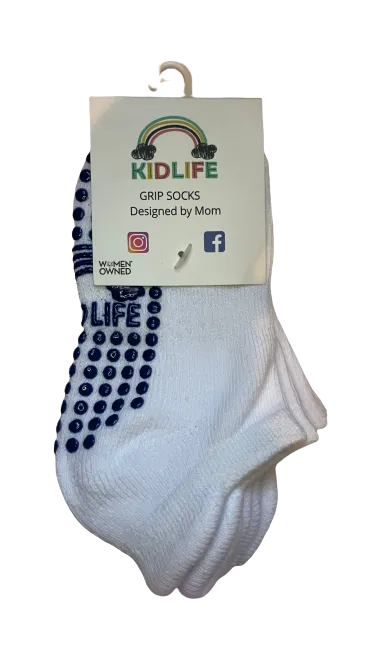
The best kids non slip socks combine a secure grip pattern with soft, breathable fabric and a fit that stays put during play. We've tested dozens of pairs on real toddlers to help you identify the features that matter most, from sole texture to washing durability.
Toddlers are constantly on the move, and slippery floors pose a real fall risk. The right pair of grip socks gives them traction on hardwood, tile, and laminate while keeping their feet comfortable through hours of running, climbing, and exploring.
Why Kids Non Slip Socks Matter for Toddler Safety
Standard socks turn smooth floors into skating rinks. Toddlers are still developing balance and coordination, so even a minor slip can lead to bumps, bruises, or worse. Non-slip socks for children add a textured grip layer to the sole that creates friction against hard surfaces.
We've found that quality kids grip socks reduce slips noticeably during everyday activities like:
- Running between rooms
- Climbing on and off furniture
- Playing in kitchens and bathrooms
- Walking on stairs
The grip also gives toddlers confidence to move freely, which supports their motor skill development. When they trust their footing, they explore more boldly.
Grip Pattern and Coverage: What Works Best
Not all grip patterns perform equally. We evaluate three key factors when testing kids grippy socks:
Dot size and spacing: Small, densely packed dots provide more surface contact than large, widely spaced ones. Look for patterns that cover at least 60% of the sole, especially across the ball of the foot and heel where toddlers put the most weight.
Grip material: Silicone and rubberized coatings offer the best traction. Silicone tends to stay flexible through more wash cycles, while rubber can stiffen over time. Both outperform painted or printed grips, which wear off quickly.
Full-sole vs. partial coverage: Full-sole grips work for all floor types and foot positions. Partial grips (heel and toe only) reduce material cost but leave gaps where toddlers might slip if they pivot or land off-balance.
For active toddlers, we recommend full-sole silicone patterns with dot diameters between 3 and 5 millimeters. You can check the latest price on our top-tested pairs from KJ3 Essentials.
Material and Comfort Considerations
Toddlers won't keep uncomfortable socks on, no matter how good the grip. The best non slip kids socks balance safety with all-day wearability.
Cotton blends: Look for at least 70% cotton for breathability and softness. A small percentage of spandex or elastane (5-10%) helps the sock stretch and recover without sagging.
Seamless toes: Raised seams across the toe box irritate sensitive feet and cause toddlers to pull socks off repeatedly. Flat or seamless toe construction eliminates this frustration.
Cushioning: Light padding on the sole adds comfort without bulk. Too much cushioning reduces ground feel and can make shoes fit tighter.
Cuff style: Gentle elastic cuffs keep socks up without leaving red marks. Avoid tight bands that dig in or loose cuffs that slide down into shoes.
We prefer natural fiber blends that wick moisture away from skin, especially for toddlers who sweat during active play. Synthetic-heavy socks may feel slippery inside shoes and can trap odor.
Sizing and Fit: How to Get It Right
Poorly fitted socks bunch, slide, or cut off circulation. Follow these guidelines to find the right size:
| Age Range | Typical Shoe Size | Sock Size |
|---|---|---|
| 12-18 months | 4-6 | Small / 12-24M |
| 18-36 months | 6-8 | Medium / 2T-3T |
| 3-4 years | 8-10 | Large / 4T-5T |
Measure your toddler's foot from heel to longest toe and compare to the brand's size chart, since age ranges vary. A proper fit reaches the base of the toes without excess fabric bunching at the tip.
When you try on non-slip socks for children, check that:
- The heel cup sits at the natural heel (not halfway up the ankle or under the arch)
- The cuff reaches mid-calf without pinching
- Your toddler can wiggle toes freely
- The sock doesn't rotate or slip when your child walks
KJ3 Essentials provides detailed sizing charts for each style. Grab the code to save 20% when you order multiple sizes to test at home.
Washing and Care Tips to Extend Grip Life
Grip coatings degrade faster than fabric, so proper care matters. We've tracked wash durability across hundreds of cycles to identify best practices.
Washing: Turn socks inside out to protect the grip surface. Use cold or warm water (not hot) and a gentle cycle. Skip fabric softener and dryer sheets, which coat silicone and reduce traction.
Drying: Air drying preserves grip longest, but low-heat tumble drying works if you're short on time. High heat can melt or crack rubberized coatings.
Storage: Store socks flat or loosely rolled. Tight balling stretches elastic and can fold grip dots against each other, causing them to peel.
Inspection: Check grip dots every few weeks. When you see significant wear (smooth spots, missing dots, or cracking), it's time to replace the pair. Even with excellent care, most grip socks last 30 to 50 washes before traction noticeably declines.
When to Choose Non Slip Socks Over Barefoot or Shoes
Non slip socks shine in specific situations where barefoot isn't practical and shoes are overkill:
- Indoor play spaces: Daycares, gyms, and play centers often require socks but ban shoes.
- Cold floors: Heated homes still have chilly tile or hardwood in winter.
- Post-bath routines: Wet feet slip easily; grip socks add safety during pajama time.
- Learning to walk: New walkers benefit from ground feel that shoes reduce, but they need grip that bare feet lack on smooth floors.
We don't recommend wearing kids non slip socks inside shoes for extended periods, as the grip can create uncomfortable friction against insoles. Save them for sockfoot activities or pair them with roomy slippers.
What We Look for in Our Top Picks
After testing socks from a dozen brands, we prioritize these features:
- Full-sole silicone grip that covers heel, arch, and ball of foot
- 75-85% cotton blends with spandex for structure
- Seamless or flat toe seams that don't irritate
- Mid-calf cuffs that stay up without binding
- Clear size ranges that match actual foot measurements
- Wash durability through at least 35 cycles with visible grip intact
KJ3 Essentials consistently delivers on these criteria across their range of grip sock styles. Their kids collection includes options for different activity levels, foot widths, and seasonal needs. You'll find detailed specs and current offers on the KJ3 Essentials discount code page.
Choosing the right pair means matching grip strength to your toddler's activity level, selecting breathable materials for all-day comfort, and confirming proper fit before committing to a full drawer of socks. With these guidelines, you can shop confidently and keep your little one safe on slippery surfaces.
 Shopping at KJ3 Essentials? See today's verified KJ3 Essentials discount code
Frequently asked questions
At what age should toddlers start wearing kids non slip socks?
Most toddlers benefit from non slip socks once they start cruising or walking independently, typically between 10 and 15 months. The grip helps them build confidence on hard floors while their balance and coordination are still developing.
How do I know when the grip on non slip socks is worn out?
Inspect the sole regularly for smooth patches, missing dots, or cracking in the grip material. When you notice your toddler slipping more often or when more than 20% of the dots are gone, it's time to replace the pair.
Can kids wear non slip socks inside shoes?
We don't recommend it for extended wear. The grip pattern can create friction against the shoe insole and make the fit uncomfortably tight. Non slip socks work best for barefoot activities on hard floors.
Are silicone grips safe if my toddler chews on socks?
Food-grade silicone grips are non-toxic, but socks aren't designed to be chewed. If your toddler mouths socks frequently, supervise wear and redirect the behavior, since loose grip pieces could pose a choking risk.
How many pairs of grip socks does a toddler need?
We recommend at least five to seven pairs so you always have clean socks available between laundry days. Active toddlers who wear them daily may need eight to ten pairs to rotate comfortably.
Do non-slip socks for children work on all floor types?
Quality grip socks provide traction on hardwood, tile, laminate, and sealed concrete. They're less effective on carpet, where the grip isn't needed, and may slip on very dusty or oily floors that need cleaning.