

# Do Kids Really Need Grip Socks? What Parents Should Know Before Buying
If you've ever watched a toddler sprint across a hardwood floor in regular socks, you've probably held your breath waiting for the inevitable slip. Slick soles plus smooth floors equal a recipe for tumbles — and that's exactly where kids grip socks come in. But are they actually necessary, or just another baby product marketers convinced you to buy? Let's break down what parents really need to know before adding a pair (or five) to the cart.
What Are Grip Socks, Exactly?
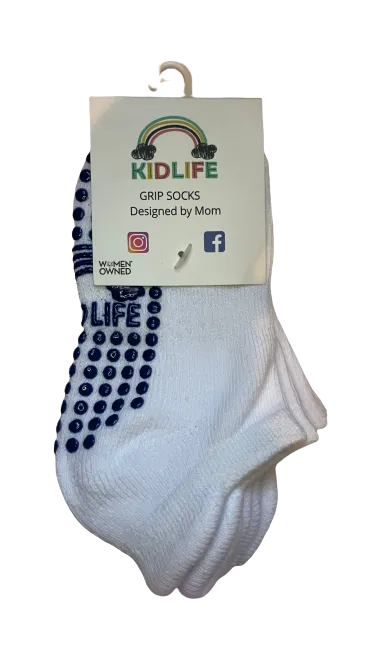
Grip socks — sometimes called kids grippy socks or kids non slip socks — look like ordinary socks but have small rubberized or silicone dots on the sole. Those dots create friction between your child's foot and the floor, dramatically reducing the chance of slipping on hardwood, tile, laminate, or other slick surfaces.
They're not just for toddlers, either. Grip socks are useful for kids learning to walk, preschoolers who refuse to wear shoes indoors, and even older children at indoor playgrounds, trampoline parks, or gymnastics classes where shoes come off.
So... Do Kids *Really* Need Them?
The honest answer: no child strictly *needs* grip socks the way they need food and sleep. But if your home has hard flooring, they're one of the cheapest and most effective safety upgrades you can make. Here's why parents keep buying them:
- Fall prevention. Slipping in socks is one of the most common causes of minor household falls for new walkers. A quality pair of non-slip socks for children adds instant traction on slick floors.
- Barefoot-like benefits, with protection. Pediatric foot specialists generally agree that walking barefoot or in thin-soled, flexible footwear is best for developing feet. Grip socks let kids get that natural footfeel while keeping toes warm and protected from splinters, cold floors, and scrapes.
- Required in many public play spaces. Trampoline parks, indoor playgrounds, and soft play centers frequently *mandate* grip socks. Owning a pair of non slip kids socks saves you from renting or buying overpriced pairs at the door.
- Hygiene. In shared play areas, socks act as a barrier between little feet and floors that see a lot of traffic.
- Comfort in every season. Cold tile floors in winter are miserable. Grippy socks solve the warmth problem *and* the slipping problem at once.
What to Look For When Buying
Not all grip socks are created equal. Before you buy, check for:
1. Secure, well-placed grips
The dots or treads should cover the heel, ball of the foot, and toes — the areas that actually contact the ground during walking and running. Cheap pairs often skimp on coverage.
2. A snug fit that stays up
Socks that slide down defeat the purpose (and drive kids crazy). Look for a comfortable cuff with enough elasticity to stay in place without leaving deep marks on little legs.
3. Breathable, soft material
Cotton blends with a bit of stretch (like elastane or spandex) offer the best combination of softness, breathability, and durability. Avoid anything scratchy or overly thick, which can make shoes fit poorly.
4. Machine washability
Let's be real — kid socks live in the laundry cycle. The grips should survive dozens of washes without peeling or cracking. Well-made kids grip socks hold their traction far longer than bargain-bin versions.
5. Room to grow (a little)
Kids' feet grow fast, so buying the next size up is tempting. Don't overdo it — a sock that's too loose can bunch up and cause its own slipping problems inside shoes.
How Many Pairs Do You Actually Need?
Because grip socks get taken on and off constantly (daycare, play dates, the trampoline park), they vanish at an impressive rate. Most families find that 5–8 pairs is the sweet spot — enough to rotate through the laundry without panic-searching the couch cushions on a playdate morning.
Stocking up on a multi-pair set of kids grippy socks usually works out cheaper per pair than buying individually, too.
Grip Socks vs. Barefoot vs. Shoes Indoors
A quick comparison for parents weighing the options:
- Barefoot: Great for foot development and balance, but impractical on cold floors, outdoors, or in public spaces.
- Regular socks: Cozy, but a genuine slipping hazard on hard flooring.
- Grip socks: The best of both worlds — traction, warmth, and hygiene, while staying flexible enough for natural movement.
- Shoes indoors: Bulky, unnecessary in most homes, and kids (and most parents) hate them anyway.
For everyday indoor wear, grip socks win on practicality. That's why so many parents settle on kids non slip socks as their go-to house footwear solution.
Pro Tip: Save Money on Your Order
Before you check out, stop by the KJ3 Essentials discount page — there's currently 20% OFF All Orders. Since grip socks are something you'll re-buy as feet grow, locking in a discount makes stocking up on multiple sizes genuinely worth it.
The Bottom Line
Do kids *need* grip socks? If your home has hard floors, your child is learning to walk, or your local play center requires them — yes, they're absolutely worth it. They're inexpensive, they prevent very real slips and falls, and they keep little feet comfortable year-round. Choose well-made pairs with solid grip coverage, keep a healthy rotation going, and grab that 20% off code before you buy.
---
*Disclosure: This post contains affiliate links. If you make a purchase through these links, we may earn a small commission at no extra cost to you.*
 Shopping at KJ3 Essentials? See today's verified KJ3 Essentials discount code
Frequently asked questions
At what age should kids start wearing grip socks?
Most pediatric experts recommend grip socks once babies start cruising and walking (around 9–15 months), since that's when slipping on hard floors becomes a real risk. They remain useful for toddlers and young kids, especially on hardwood or tile floors.
Do grip socks actually prevent falls?
Yes. Their rubberized soles provide traction on hardwood, tile, laminate, and similar surfaces, which significantly reduces slipping compared to regular socks. They don't prevent every fall, but they meaningfully lower the risk.
How long do grip socks last?
Quality grip socks should hold their traction for months of regular wear and washing. Replace them when the grips start to wear smooth, the fabric thins out, or the socks become too small.
Can grip socks go in the washing machine?
Yes — most grip socks are machine washable. Wash them inside out on a gentle cycle and air dry when possible to help the rubber grips last longer. Avoid high-heat drying, which can degrade the grips.
Are grip socks required at indoor playgrounds?
Yes. Many trampoline parks, indoor playgrounds, and soft play centers require grip socks for safety and hygiene, so it's smart to keep a pair (or a few) in your bag.
How many pairs of grip socks does my child need?
Families typically do best with 5–8 pairs per child. They're constantly coming off and going into the wash, and they tend to disappear, so a healthy rotation prevents the panic of having none clean.