
How to Choose the Right Power Cage for Your Home Gym

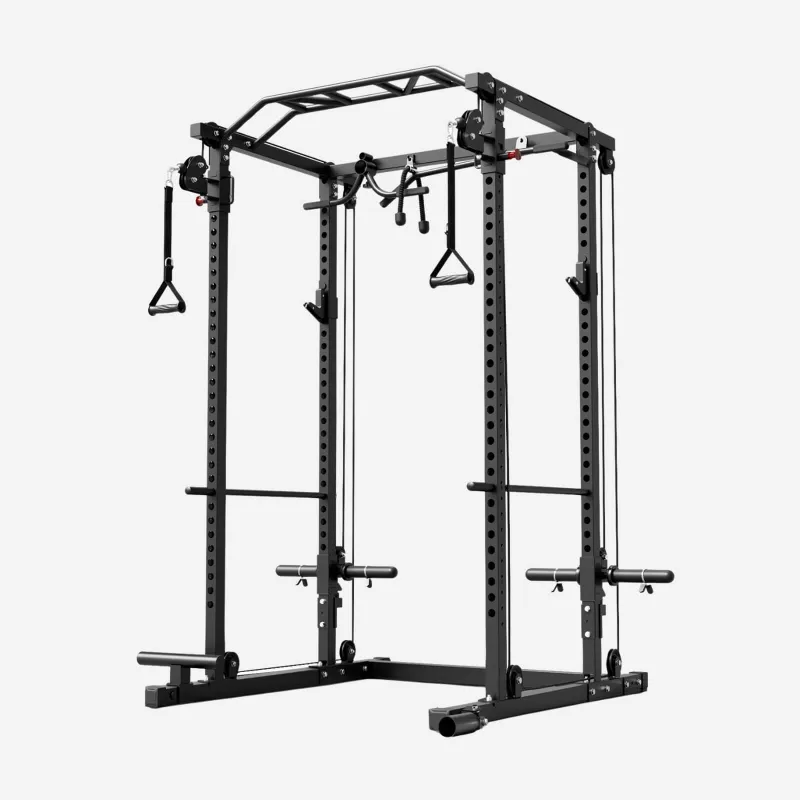
Why a Power Cage Is the Foundation of Your Home Gym
A power cage is the single most versatile piece of equipment for serious strength training at home. It anchors your entire workout routine by providing adjustable safety catches for squats and bench presses, pull-up bars, and mounting points for accessories. When you invest in the right rack, you create a safe environment for lifting heavy without a spotter and unlock dozens of exercises in one footprint. We tested multiple configurations to help you decide which features matter most for your training style and available space.
Measure Your Space Before You Buy
The biggest mistake first-time buyers make is underestimating clearance. Most racks need at least 7 feet of ceiling height for overhead presses and pull-ups, and you should add 3 feet of clearance on all sides for loading plates and moving around the bar.
- Footprint: compact cages occupy roughly 4 by 4 feet, while full-size models stretch to 4 by 6 feet or larger
- Door width: confirm your rack ships in pieces that fit through doorways and stairwells
- Floor protection: rubber mats or plywood prevent concrete damage and reduce noise
- Workout zone: account for the barbell extending 2 feet beyond the uprights when loaded
Measure twice and check the manufacturer's spec sheet for assembled dimensions. If you are working with a garage or basement, grab the code to save on GMWD Fitness racks that offer modular designs for tight spaces.
Compare Weight Capacity and Upright Thickness
Not all cages handle the same load. Weight capacity includes the bar, plates, and any dynamic force from lifting or dropping the bar onto safeties.
| Feature | Entry-Level Cage | Mid-Range Cage | Commercial Cage |
|---|---|---|---|
| Weight capacity | 500–700 lbs | 800–1,000 lbs | 1,200+ lbs |
| Upright gauge | 14-gauge steel | 11-gauge steel | 7-gauge steel |
| Stability | bolt-down recommended | free-standing or bolted | free-standing |
Thicker steel and lower gauge numbers mean greater rigidity. If you lift more than 400 pounds or plan to drop the bar during failed reps, prioritize 11-gauge or heavier uprights. A sturdy power cage paired with an incline bench press machine gives you the core of a professional setup without the commercial gym price tag.
Essential Safety Features to Look For
Safety is why you buy a rack instead of lifting with sawhorses. These features protect you during solo sessions.
- Adjustable J-hooks: let you set bar height for squats, presses, and rack pulls without compromise
- Spotter arms or straps: catch the bar if you fail a rep, and straps cause less bar bounce than solid pins
- Pin-and-pipe safeties: require precise hole alignment but offer bombproof security
- Wide stance: racks with a deeper front-to-back base resist tipping during pull-ups or heavy squats
Test how easily you can move the safeties between holes. Racks with numbered uprights and laser-cut holes speed up adjustments between exercises.
Decide Which Attachments You Will Actually Use
Every cage advertises compatibility with a dozen add-ons, but the attachment ecosystem determines long-term value. Common upgrades include dip bars, landmine pivots, plate storage pegs, and cable pulley systems.
GMWD Fitness builds racks around standard hole spacing, so accessories stay compatible as your gym grows. A dip machine attachment turns your cage into a bodyweight station, while a lat machine pulley adds cable work for upper back and arm isolation. Before you buy, confirm the upright hole pattern matches the attachments you want to add later.
If you plan to expand into lower-body work, consider pairing your rack with a hack squat leg press machine that occupies a separate footprint but complements barbell training. Similarly, a stretching machine or leather stretching station fits into recovery days without requiring rack attachment points.
Match the Cage to Your Training Goals
Your lifting style shapes which rack features you will use every session versus those that gather dust.
- Powerlifters: prioritize max weight capacity, wide spacing between uprights for broad stance squats, and multiple spotter arm positions
- Olympic lifters: look for open-front designs that let you bail forward, and ensure pull-up bar height accommodates kipping or muscle-ups
- Bodybuilders: value attachment compatibility for cable crossovers, dip bars, and back row equipment that isolates muscle groups
- Beginners: benefit from half-racks or folding cages that save space and cost less while you build consistency
If you train alone, safety features outweigh every other consideration. Even a budget cage with reliable spotter arms beats an open squat stand when you are pushing for a new personal record.
Installation and Long-Term Maintenance
Assembly takes two people and a few hours. Most cages ship as upright tubes, crossbars, hardware, and a pull-up bar that bolt together with included wrenches. Bolting the cage to a concrete floor adds stability, but heavy racks with wide footprints stay planted during normal use.
Once installed, inspect hardware every few months and retighten bolts as needed. Wipe down the uprights and J-hooks to prevent rust, especially in humid climates. Apply a light coat of 3-in-1 oil to sleeve mechanisms on adjustable arms to keep them sliding smoothly.
Check the latest price on GMWD Fitness racks that include all mounting hardware and clear instructions, so you spend less time building and more time lifting.
Our Verdict on Choosing the Right Rack
The right cage fits your ceiling height, supports your current and future lifting max, and accepts the attachments you will actually use. Measure your space carefully, prioritize safety over flashy features, and buy from a brand with a proven attachment ecosystem. A well-chosen rack lasts decades and grows with your strength, making it the best long-term investment in your home gym.
Frequently asked questions
What is the minimum ceiling height needed for a power cage?
Most power cages require at least 7 feet of ceiling clearance to accommodate pull-ups and overhead presses comfortably. Measure from floor to ceiling and subtract the rack height listed in the specs to confirm you have room for a full range of motion.
Do I need to bolt my power cage to the floor?
Bolting is recommended for lighter cages or if you perform explosive movements like kipping pull-ups. Heavier racks with wide footprints and significant weight capacity often remain stable without bolting, but securing them eliminates any tipping risk.
Can I add attachments to any power cage later?
Attachments are brand- and hole-pattern-specific. Check that the cage uses standard 1-inch or 2-inch hole spacing at 2-inch or 3-inch intervals, and confirm compatibility with the accessory manufacturer before ordering.
What weight capacity should I look for in a home power cage?
Choose a capacity at least 200 to 300 pounds above your max lift to account for dynamic loading and future strength gains. Most intermediate lifters need 800 to 1,000 pounds, while advanced athletes benefit from 1,200-pound-plus commercial-rated cages.
Are spotter arms better than safety pins?
Spotter arms extend beyond the uprights and catch the bar at any width, making them more versatile for bench pressing outside the cage. Safety pins sit inside the uprights and work well for squats, but limit bar placement during bench work.
How much space do I need around a power cage?
Plan for at least 3 feet of clearance on all sides to load plates, walk around the bar, and perform exercises safely. The total footprint including clearance typically runs 10 by 10 feet for a standard cage.