
Hack Squat vs Leg Press: Which Machine Should You Buy?

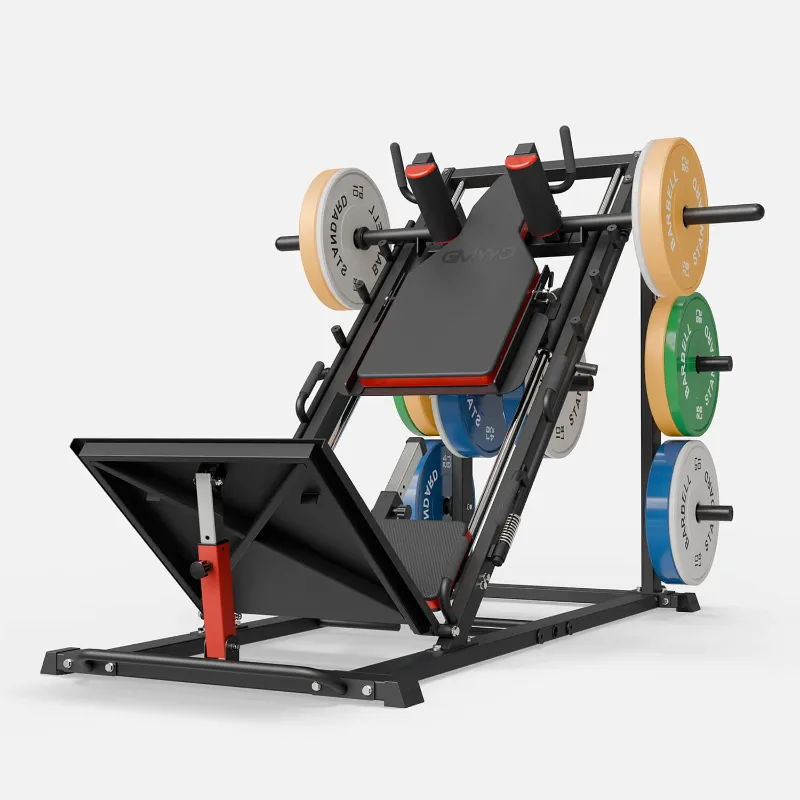
Hack Squat vs Leg Press: Which Machine Should You Buy?
A hack squat leg press machine gives you dual functionality in one frame, but the standalone versions of each movement target your quads, glutes, and hamstrings differently. We tested both configurations in home gym setups to help you decide which machine delivers the results you need without wasting floor space or budget. If you're shopping GMWD Fitness, grab the code before you commit to a purchase.
What a Hack Squat Machine Does Best
The hack squat locks your back against a padded support while you drive weight upward on a fixed track. This angle shifts more load onto your quads than a barbell back squat, and the guided path removes balance variables so you can push heavier without a spotter.
Why lifters choose hack squats:
- Quad dominance – the angled platform keeps your torso upright and knees forward, isolating the front of your thighs
- Lower back relief – the pad distributes force along your spine rather than compressing it vertically
- Easier setup – no need to unrack a barbell or stabilize free weight
- Controlled depth – the sled moves on rails, so you hit consistent range of motion every rep
The downside is footprint. A dedicated hack squat occupies roughly the same floor space as a power cage, and many models lack the versatility you get from a multi-function station.
What a Leg Press Machine Offers Instead
The leg press seats you in a reclined position while you push a weighted platform away on a linear or angled track. Your hips stay flexed throughout, which recruits glutes and hamstrings alongside quads. Most leg press machines also support single-leg variations and calf raises.
Why lifters choose leg press:
- Higher load capacity – many leg presses handle 400 to 800 pounds of plates, more than most hack squat sleds
- Hip and glute engagement – the seated posture mimics a deeper squat pattern, firing posterior chain muscles
- Adjustable foot position – placing your feet high on the platform shifts emphasis to glutes; low placement targets quads
- Easier entry and exit – you sit down and push, no need to duck under a shoulder pad
The trade-off is that a leg press typically demands more horizontal space than a hack squat. If your home gym is narrow, the sled track can eat into walkways or force you to reorganize other equipment like a lat machine or incline bench press machine.
Combo Machines: Two Movements, One Frame
A hack squat leg press machine merges both exercises into a single unit. You flip the backrest or rotate the platform to switch between hack squat stance and leg press position. GMWD Fitness and similar manufacturers build these combo units to save floor space and cost compared to buying two separate machines.
What to check before you buy:
- Plate-loaded vs. selectorized – plate-loaded models let you load Olympic plates incrementally; selectorized stacks cap your max weight but adjust faster between sets
- Pivot mechanism – cheaper combos use a manual pin system to reposition the carriage; premium units offer tool-free lever adjustments
- Weight rating – confirm the frame supports your working load plus growth; we recommend a 600-pound minimum capacity
- Footplate size – a 20-inch-wide platform accommodates wide-stance pressing and hack squat variations; anything narrower limits foot placement
Check the latest price and weight specs before you order, since shipping damage on plate-loaded frames is common and you'll want to verify return policy.
Space and Budget: What Fits Your Home Gym
If you already own a power cage and dip machine, ask whether a leg-specific machine justifies the footprint. A combo hack squat leg press machine typically requires a 6-by-4-foot clearance, similar to a compact SUV parking spot. Factor in plate storage and loading room on each side.
| Machine Type | Floor Space | Typical Cost | Best For |
|---|---|---|---|
| Standalone hack squat | 5 × 4 feet | Mid to high | Quad-focused lifters, lower back issues |
| Standalone leg press | 7 × 4 feet | Mid to high | Higher load capacity, glute emphasis |
| Combo unit | 6 × 4 feet | Mid-range | Home gyms with limited space |
Budget around the same range you'd spend on quality back row equipment or a commercial-grade bench. Combo machines often cost less than buying two separate units, but verify the build quality. Thin tubing and undersized bearings wear out fast under heavy use.
Who Should Pick Hack Squat, Leg Press, or Both
Choose a hack squat if:
- You want maximum quad development and can tolerate a fixed movement path
- Lower back discomfort limits your barbell squat volume
- Your home gym is narrow but tall, since hack squats grow vertically more than horizontally
Choose a leg press if:
- You need higher load capacity or plan to train with a partner who moves heavier weight
- Glute and hamstring size matter as much as quad growth
- You prefer seated exercises or have mobility limits that make standing movements uncomfortable
Choose a combo machine if:
- Floor space is tight and you want both movement patterns without doubling equipment
- Your budget caps out before you can afford two standalone machines
- You train alone and value quick transitions between exercises during supersets
Pair whichever machine you pick with a stretching machine or leather stretching station to maintain hip and ankle mobility. Stiff ankles limit squat depth on both hack squat and leg press, so regular flexibility work keeps your range of motion clean.
Maintenance and Long-Term Value
Inspect the carriage bearings and guide rods every few months. Dust, sweat, and chalk residue bind up the sled over time, forcing you to push harder just to overcome friction. Wipe down rails with a dry cloth after each session, and apply a thin layer of silicone spray quarterly if the manufacturer allows it.
Check hardware torque every six months. Vibration loosens bolts on plate-loaded machines, especially where the backrest pivots. A loose pivot pin shifts under load and can crack the weld seam. Keep a torque wrench in your gym toolkit and follow the manual's spec sheet.
Warranty coverage varies. GMWD Fitness typically offers two to five years on frame welds and six to twelve months on wear parts like bushings and upholstery. Register your machine within 30 days of delivery to activate coverage, and photograph any shipping damage before you assemble the unit. If you spot a bent rail or cracked weld, contact the seller immediately rather than loading plates onto a compromised frame.
Final Recommendation
A hack squat leg press machine solves the space puzzle for most home gyms, giving you two proven leg builders in one footprint. If quad isolation matters more than max load, lean toward a hack squat. If you want glute engagement and higher weight capacity, prioritize a leg press. Either way, verify the frame rating, measure your floor space twice, and check the latest price to lock in the current discount before you order.
Frequently asked questions
Can a hack squat leg press machine replace barbell squats?
It can replace barbell squats for muscle growth, but it won't train balance or stabilizer muscles the same way. If you compete in powerlifting or need full-body coordination, keep barbell squats in your program alongside machine work.
How much weight should a combo leg machine support?
Look for a minimum 600-pound capacity if you're an intermediate lifter. Advanced athletes should target 800 pounds or higher to accommodate progressive overload over several years.
Do I need a spotter for hack squats or leg press?
No spotter is required since both machines have safety stops or catches. Set the stops just below your working range so the sled locks if you can't complete a rep.
Which machine is easier on the knees?
Both are knee-friendly when you use proper form and control the eccentric. Leg press lets you adjust foot position to reduce knee stress, while hack squat keeps your knees in a fixed forward path that some lifters find more comfortable.
Can I do calf raises on a hack squat or leg press?
Yes, most leg press machines work well for calf raises by pushing through your toes with knees locked. Hack squat calf raises are possible but less stable, so leg press is the safer choice for high-rep calf training.
How often should I lubricate the guide rails?
Apply silicone spray or manufacturer-recommended lubricant every three months or sooner if you notice the sled sticking. Wipe rails clean before lubricating to avoid trapping grit under the coating.