
How to Choose the Right Size Goalkeeper Gloves for Kids

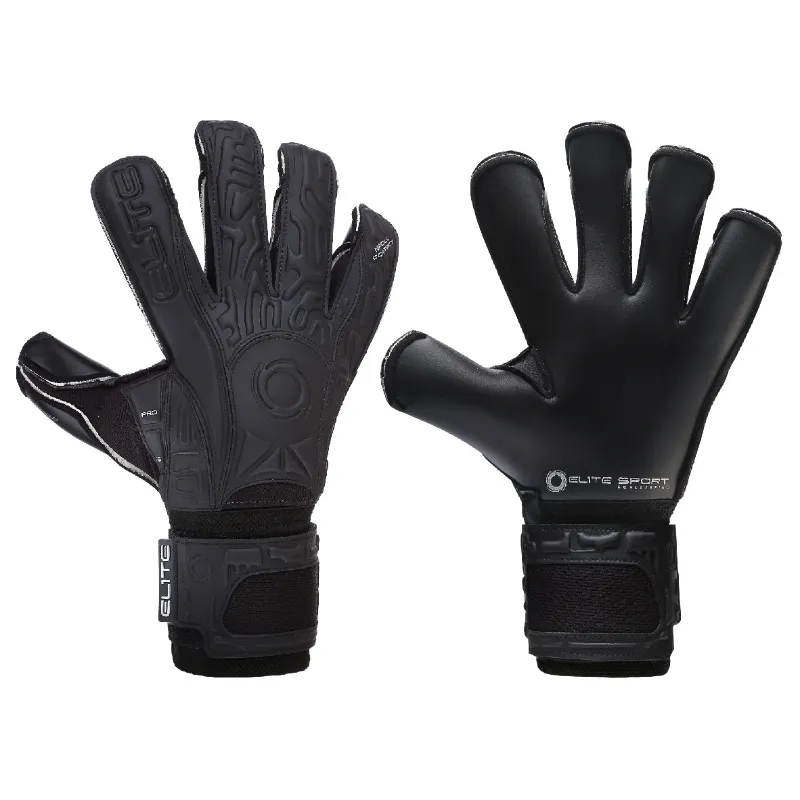
How to Choose the Right Size Goalkeeper Gloves for Kids
Choosing the correct gloves goalkeeper gloves size for your child comes down to measuring their hand properly and understanding how youth sizing differs from adult gloves. A well-fitted pair protects fingers, improves grip, and builds confidence, while gloves that are too large slide around and gloves that are too tight restrict movement and circulation.
We've tested dozens of youth goalie gloves and kids goalkeeper gloves to help parents and coaches navigate sizing charts, fit preferences, and the features that matter most for young keepers.
Measuring Your Child's Hand for Goalkeeper Gloves
Start by measuring the circumference of your child's dominant hand. Wrap a soft tape measure around the widest part of the palm, just below the knuckles, excluding the thumb. Keep the hand flat and relaxed. Record the measurement in inches or centimeters.
Most manufacturers use this palm circumference to assign glove sizes. Here's how youth sizing typically breaks down:
| Size | Palm Circumference | Typical Age Range |
|---|---|---|
| 4 | 5.5–6 inches | 4–6 years |
| 5 | 6–6.5 inches | 6–8 years |
| 6 | 6.5–7 inches | 8–10 years |
| 7 | 7–7.5 inches | 10–12 years |
| 8 | 7.5–8 inches | 12–14 years |
These ranges are approximations. Always cross-reference your measurement with the specific brand's sizing chart, since goalkeeper gloves for kids and goalie gloves kids can vary slightly between manufacturers. If your child falls between sizes, we recommend sizing up for growing room, especially if they're under 10 years old.
You can also measure finger length from the base of the palm to the tip of the middle finger. Add this to your sizing decision if the brand provides a length chart. For a deeper look at fit principles, the Gloves advice · Total Goalkeeping community offers keeper-focused insights.
What a Proper Fit Looks and Feels Like
When your child tries on soccer gloves, check these fit markers:
- Fingertip space: There should be roughly 0.5 to 1 cm of space at the fingertips. This "negative space" allows the latex to compress on impact without crushing the fingertips, and it gives growing hands a bit of room.
- Palm snugness: The palm should feel snug but not tight. Your child should be able to spread their fingers fully without straining the seams.
- Wrist closure: The strap should wrap comfortably around the wrist and secure without cutting off circulation. A too-loose strap allows the glove to rotate during saves.
- Thumb mobility: The thumb should move freely. If it feels pinched or restricted, try a half-size up or a different cut.
Ask your child to catch a ball a few times. The gloves should feel like an extension of their hands, not a distraction. If they complain about numbness, tightness, or fabric bunching, the fit isn't right.
Sizing Differences Between Youth and Adult Goalkeeper Gloves
Youth gloves are not simply scaled-down adult models. Kids goalkeeper gloves typically feature narrower palms, shorter fingers, and lighter foam to match smaller hand structures and lower shot speeds. Adult gloves sized down to a 7 or 8 often have wider palms that swallow a child's hand and create excess material that bunches or folds.
Stick with gloves explicitly labeled for youth, junior, or kids until your child measures consistently into adult size 8 or larger and has the hand width to match. Brands that specialize in youth sizing, like those featured in our gloves goalkeeper gloves collection, account for these proportional differences.
Adidas, for example, engineers dedicated youth lines such as the Beige Copa League Goalkeeper Gloves Kids, which balance protection with the flexibility younger keepers need.
Popular Styles and When to Choose Them
Different glove styles suit different playing levels and preferences. Here's what we recommend for young keepers:
- Flat palm cut: The most common and forgiving for beginners. The latex is sewn directly to the backhand, creating a large surface area for catching. Great for goalie gloves kids just learning positioning.
- Negative cut: The stitching sits inside the glove, wrapping snugly around each finger. Offers a tighter, more natural feel but requires accurate sizing. Popular with intermediate to advanced youth players.
- Hybrid cut: Combines flat palm in the catching zone with negative cut on the pinky and index fingers for added control. A versatile middle ground once your child has developed basic technique.
Color preference matters too. Many young keepers gravitate toward bold options like pink goalkeeper gloves or classic black goalie gloves soccer styles. Letting your child choose a design they love boosts their excitement and ownership of the position.
For training gloves that pair well with keeper kits, explore complementary elite sportswear and star gloves that round out their gear setup.
When to Size Up and How Often to Replace
Kids' hands grow fast. Plan to reassess glove size every six to twelve months, or whenever your child complains of tightness or you notice red marks on their fingers after training. A glove that fit perfectly in September may feel cramped by spring.
If your child is between sizes and still growing, size up. The slight extra room won't hurt performance and extends the usable life of the gloves. Just ensure the wrist strap is tight enough to prevent slippage.
Latex foam degrades with use, especially on abrasive surfaces. Even if the size still works, replace gloves when the palm shows significant wear, tears, or loses its tackiness. For current pricing and to grab the discount code on youth and junior goalkeeper gloves, check our EliteSportUSA page.
Care Tips to Extend Glove Life and Fit
Proper care keeps gloves fitting well and performing longer:
- Rinse after every use: Wash off dirt, grass, and sweat with cool water. This prevents latex from drying out and cracking.
- Air dry only: Never use a dryer, radiator, or direct sunlight. Heat warps foam and shrinks materials, throwing off the fit.
- Store flat or on a hanger: Avoid balling gloves up in a bag, which creases the palms and distorts the finger shape.
- Rotate pairs: If your child trains multiple times a week, rotating between two pairs lets each dry fully and reduces wear.
A glove that holds its shape and flexibility will feel true to size longer. For more expert care guidance, uhlsport Supersoft Half Negative Cut Goalkeeper Gloves product pages often include brand-specific washing instructions that apply across youth models too.
Where to Buy Youth Goalkeeper Gloves at the Best Price
We test and track prices across dozens of retailers. Right now, EliteSportUSA carries a strong selection of youth goalie gloves and football goalkeeper gloves with consistent sizing and quality construction. You can check the latest price and apply our 5% sitewide code to save on your order.
Measure carefully, reference the brand's chart, and prioritize fit over graphics. A properly sized pair transforms a young keeper's game, giving them the confidence to attack crosses and dive for shots without their gloves holding them back.
Frequently asked questions
How do I measure my child's hand for youth goalkeeper gloves?
Wrap a soft tape measure around the widest part of your child's palm, just below the knuckles, excluding the thumb. Keep the hand flat and relaxed, then compare the measurement in inches or centimeters to the brand's sizing chart.
Should I size up if my child is between glove sizes?
Yes, size up if your child falls between sizes or is still growing. The extra 0.5 to 1 cm of space at the fingertips allows for growth and prevents the latex from crushing fingers during saves.
Can my child wear adult goalkeeper gloves in a smaller size?
We don't recommend it. Adult gloves sized down have wider palms and longer fingers that don't match a child's hand proportions, causing bunching and poor fit. Stick with gloves designed specifically for youth or kids.
How often should I replace my child's goalkeeper gloves?
Reassess size every six to twelve months as their hands grow. Replace gloves when the latex shows significant wear, tears, or loses tackiness, or when your child complains of tightness or red marks on their fingers.
What's the difference between flat palm and negative cut gloves for kids?
Flat palm gloves have stitching on the outside and offer a large catching surface, ideal for beginners. Negative cut gloves have internal stitching that wraps each finger for a snug, natural feel, better for intermediate players who need accurate sizing.
Where can I find discount codes for youth goalkeeper gloves?
Check our EliteSportUSA discount code page for current offers. Right now there's a 5% sitewide code you can apply to youth and kids goalkeeper gloves.