
What to Look for in Your First Pair of Goalkeeper Gloves

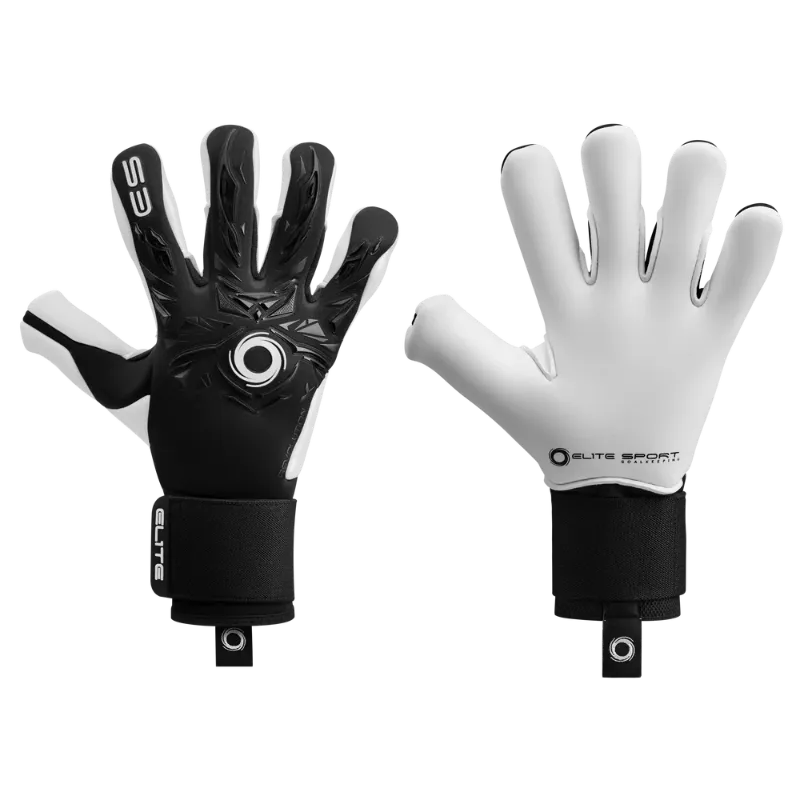
What Makes Quality Gloves Goalkeeper Gloves for Beginners
Your first pair of gloves goalkeeper gloves should deliver grip without sacrificing durability or breaking your budget. We recommend beginner keepers focus on three core features: a palm that offers dependable traction in dry and damp conditions, a snug but flexible fit that doesn't restrict hand movement, and a cut style that feels comfortable during training sessions. Whether you're looking at youth goalie gloves for a younger player or soccer gloves for adult recreational leagues, the principles remain the same.
New goalkeepers often assume the thickest foam equals the best protection, but excessive padding can reduce ball feel and slow reaction time. Starting with a mid-range palm thickness lets you develop clean catching technique while still getting enough cushion for confidence. Before you grab the code and place an order, understanding glove anatomy and how each feature affects performance will save you from costly mistakes.
Palm Foam and Grip Technology
The palm determines how well you catch, hold, and parry shots. Entry-level gloves typically use contact foam, which balances grip and durability better than the ultra-soft professional foams that wear out quickly. Contact foam works across most weather conditions and lasts through a full season of training, making it ideal for beginners who are still refining their technique.
Thickness ranges from 3mm to 5mm in most beginner models. We suggest starting around 4mm, which provides enough cushioning for powerful shots without dulling your sense of the ball. Gloves goalkeeper gloves and similar options in this category give you that middle ground, and many feature textured surfaces or finger grooves that help newer keepers position their hands correctly.
Key palm features to check:
- Contact foam or latex blends for all-weather reliability
- 4mm thickness as a starting point for balanced feel
- Finger spines or internal supports if you want added protection against hyperextension
- Smooth or embossed surfaces depending on whether you prioritize outright grip or controlled deflections
Professional-grade sticky palms degrade fast under repeated ground dives and abrasive turf, so save those for when your skills and commitment level justify the cost.
Cut Styles and Fit Preferences
Glove cuts describe how the foam attaches to the backhand and how the fingers are shaped. The four most common cuts are flat, rolled, negative, and hybrid. For first-time buyers, flat and rolled cuts are the most forgiving.
Flat cut gloves have the palm sewn to the backhand on the outside, creating a looser, boxier fit with a larger catching surface. They're easy to slide on and off, and the relaxed fit suits players still growing or those who prefer room to breathe. Many kids goalkeeper gloves and goalkeeper gloves for kids use this construction because it accommodates rapid hand growth.
Rolled finger cuts wrap the latex around each fingertip for a snugger, more natural feel. They offer better contact with the ball and reduce excess material bunching up, but they require a more precise fit. If you're transitioning from field play to the goal, rolled cuts give you finer control for parries and distribution.
Negative cut gloves have seams inside the glove, creating the tightest possible fit. They're popular among advanced keepers but can feel restrictive for beginners. Hybrid cuts mix elements of each style, often rolling the index and middle fingers while keeping the ring and pinky flat.
Try this quick fit test: with the glove on, make a fist and spread your fingers wide. You should feel light resistance but no pinching. Your fingertips should reach the end of each glove finger without dead space or overhang. Youth goalie gloves often include sizing charts based on hand measurement from wrist to middle fingertip, so measure before ordering.
Closure Systems and Wrist Support
The closure wraps around your wrist to lock the glove in place and stabilize your wrist during dives and high catches. Three main types dominate the market:
- Elastic bandage wrap: wide elastic band that extends several inches up the forearm, offering maximum support and adjustability
- Full wrap strap: adjustable strap that loops around the wrist once, balancing security and ease of adjustment
- Half wrap strap: shorter strap that doesn't overlap, quickest to put on but offers less customization
Beginners benefit from elastic bandage wraps because they compensate for minor sizing errors and provide extra confidence when landing awkwardly. Football goalkeeper gloves frequently feature this style, and the added forearm coverage also protects against scrapes on artificial turf.
Wrist support prevents hyperflexion when punching or catching high balls. Look for gloves with at least a single internal strap or built-in stiffener along the inner wrist. As you gain experience, you'll develop stronger wrist stability naturally, but starting with moderate support helps prevent early-season injuries that can derail your training.
Sizing and Material Durability
Goalkeeper glove sizes run differently than everyday gloves. Most brands use whole numbers (size 7, 8, 9, etc.) rather than S/M/L designations. Measure your hand by placing a tape measure around the widest part of your palm, excluding the thumb, then consult the brand's size chart. If you fall between sizes, choose the larger one for training gloves—you'll wear them longer as your hands develop.
Youth players grow quickly, so goalie gloves kids categories often include half sizes or extended cuffs that allow a bit of extra room. A glove that's slightly loose in the palm is manageable; a glove that's too tight will restrict circulation and force you to replace it within weeks.
Durability depends on three factors: palm foam quality, backhand material, and stitching reinforcement. Beginners should prioritize backhand durability over palm softness. Look for latex or synthetic leather backhand panels with double or triple stitching at stress points like the finger gussets and wrist closure anchor.
Here's how different backhand materials compare:
| Material | Durability | Breathability | Best For |
|---|---|---|---|
| Latex foam | Moderate | High | Warm-weather training |
| Synthetic leather | High | Moderate | All-season use |
| Mesh panels | Low | Excellent | Indoor or turf-only play |
We recommend synthetic leather or mixed construction for your first pair. Pure latex backhand gloves look professional but won't survive a season of hard training. When you check the latest price, compare backhand materials across models in your budget range—often a few dollars more upfront saves you from replacing gloves mid-season.
Color, Style, and Psychological Confidence
Performance comes first, but color and design influence how you feel in goal. High-visibility colors like neon yellow, orange, and pink goalkeeper gloves help coaches and teammates track your positioning during crowded set pieces. They also make you appear larger to shooters, which can create a subtle psychological edge.
Darker options like black goalie gloves soccer styles hide dirt and wear better, a practical choice for players training on dusty fields or who can't wash gloves after every session. Younger keepers often gravitate toward bold graphics or brand logos—if a design makes you excited to train, that confidence boost is worth considering.
Elite brands invest heavily in research, but mid-tier manufacturers now deliver comparable quality at better price points. Elite sportswear and similar retailers carry both premium and value lines, so compare construction details rather than assuming higher price always means better performance. Professional gloves from major brands typically start around three times the cost of quality beginner models, but they're engineered for players making dozens of saves per match under high-stakes conditions.
For detailed comparisons of current models across price ranges, resources like The 8 Best Goalkeeper Gloves To Consider in 2025 break down specifications and user reviews. Women keepers can also explore specialized fit options through communities like Keepher Soccer: Women's best goalkeeper gloves, which address anatomical differences often overlooked in unisex designs.
Care Tips to Extend Glove Life
Proper maintenance doubles the lifespan of your first pair. After each use, rinse palms under lukewarm water to remove dirt and oils that degrade latex. Gently squeeze out excess water—never wring or twist—then air dry away from direct heat or sunlight. Stuffing gloves with newspaper accelerates drying and helps them hold their shape.
Store gloves palm-to-palm in a ventilated bag, never compressed at the bottom of a gear sack. Pre-wetting palms before play reactivates grip, especially in dry conditions. Once the latex becomes smooth and shiny instead of slightly tacky, it's time to replace them. Most beginner gloves deliver 20 to 40 training sessions depending on surface type and care habits.
Your first goalkeeper gloves should grow your skills, not limit them—choose based on fit and foam quality, then commit to consistent care.
Frequently asked questions
How do I know what size gloves goalkeeper gloves I need?
Measure around the widest part of your palm excluding the thumb, then match that measurement in inches to the brand's size chart. If you're between sizes, go up one size for training gloves since a slightly loose fit is better than tight gloves that restrict movement.
Can youth goalie gloves work for small-handed adults?
Yes, if the measurements match. Youth gloves often have shorter finger lengths and narrower palms, so compare your hand dimensions to the size chart rather than assuming adult gloves are always better. The construction quality is usually identical within the same product line.
Should I buy different gloves for practice and games?
Not for your first pair. Focus on one durable set that you can use in all situations. Once you're playing competitively, you might invest in a softer match pair and a tougher training pair, but beginners benefit more from consistent feel across all sessions.
How often should I replace my first goalkeeper gloves?
Replace them when the palm loses its tackiness and becomes smooth or shiny, or when you see tears in the latex. With proper care, beginner gloves typically last 20 to 40 training sessions, which translates to one full season for most recreational players.
Do I need finger protection in my first pair of gloves?
Finger spines are optional for beginners. They add security against hyperextension but can feel stiff and reduce flexibility while you're learning proper catching form. Try gloves without spines first, then add protection later if you experience finger discomfort.
What's the difference between soccer gloves and football goalkeeper gloves?
They're the same product with regional naming differences. Soccer is the common term in the US, while football is used internationally. The construction, palm foam, and features are identical regardless of which term the retailer uses.